
A sudden roof leak in the middle of a storm is one of the most stressful things a homeowner can face. You need to know what to do right now to protect your home, what can safely wait until morning, and who to call when the damage is more than you can handle on your own. This guide walks you through every step, from the first drip you notice to the long-term fix that follows, with a focus on keeping your family safe and your home protected.
TLDR: When your roof starts leaking during a storm, safety comes first, then limit interior damage from inside the home, then call for professional help. Do not climb on the roof yourself. Emergency tarping is a temporary fix and must be followed by a full inspection and permanent repair. Teague Roofing Plus offers 24/7 emergency roof repair across Springfield and SW Missouri.
You hear the drip in the ceiling and feel your stomach drop. It is late. The storm is still going. You do not care about roofing terminology right now. You just want to stop the water and protect your home.
The good news is that most of what you need to do right now happens inside the house, not on the roof. The roof work can wait until a professional arrives. Your job in the next few minutes is to keep people safe, limit interior damage, and make a phone call.
This guide gives you a clear sequence of steps for exactly this situation, whether the storm hit an hour ago or is still overhead.
First Things First: Safety Before Anything Else
Before you move a single piece of furniture or grab a bucket, do a quick safety check. Water and electricity are a dangerous combination, and a storm that damaged your roof may have also affected your home in ways that are not immediately obvious.
If water is dripping near a light fixture, outlet, or electrical panel, turn off power to that area at the breaker before anyone gets close to it. If you are unsure which breaker controls that area, turn off the main breaker and use a flashlight to work by. Do not assume it is safe just because a light is still on.
Keep everyone, including pets, away from sagging ceiling sections. A ceiling that has collected water can fail suddenly and without warning. The same rule applies to any area with a downed power line outside. Stay well back and do not attempt to move it.
Never climb onto the roof during a storm, at night, or any time you feel uncertain. Wet surfaces, wind, and darkness make roof access dangerous even for professionals. Leave roof work for daylight and stable conditions. The interior steps in the next section are what you can do safely right now.
The table below gives a quick reference for the most common emergency situations and how to respond to each one safely.
| Situation | Safe Action | What to Avoid |
|---|---|---|
| Water dripping near light fixtures or outlets | Turn off power to that area at the breaker | Touching fixtures, switches, or outlets near water |
| Sagging or bulging ceiling section | Keep clear of the area, call for professional help | Poking or puncturing the ceiling yourself |
| Tree limb on the roof | Stay inside, document from a window, call for help | Going outside near the impact area or trying to remove it |
| Large debris in the yard or driveway | Stay clear until the storm passes | Moving debris in active wind or lightning conditions |
When you have completed this safety check, move to the interior steps below. The water will not stop on its own, but you can manage the damage from inside while you wait for help.
What You Can Do Inside Right Now to Limit Damage
Once you have confirmed the space is safe, your goal is to slow the damage from the inside. You are not fixing the roof. You are protecting what is under it.
Place buckets, pots, or large containers under any active drips. If a drip is hitting something you cannot move, lay thick towels or folded blankets around the base to absorb what the container misses. Move electronics, furniture, documents, and anything irreplaceable away from the leak area. Wet insulation and ceiling materials are heavy, and even a small leak can spread laterally once water finds a path through the drywall.
Use heavy-duty plastic sheeting, garbage bags, or tarps to cover items that cannot be moved easily. This is especially important for upholstered furniture, mattresses, and anything stored in boxes on the floor of an affected room.
Document everything before you start moving things around. A short video with narrated description is better than photos alone because it captures the location, the active drip, and the scope of the damage in real time. This documentation matters for your insurance claim later.
Our storm damage repair team handles the full range of storm-related damage from initial emergency response through final repair or replacement. When you call, let us know what you are seeing inside so we can prepare accordingly.
| Step | How to Do It | Why It Helps |
|---|---|---|
| Catch active drips | Place buckets or containers under the leak | Prevents water from spreading across the floor |
| Move valuables | Carry electronics, furniture, and documents away from the affected area | Reduces what gets damaged while you wait for repairs |
| Cover what cannot move | Lay plastic sheeting or trash bags over large items | Protects against water spreading laterally through the ceiling |
| Document everything | Record a video of the leak area before moving anything | Creates a timestamped record for your insurance claim |
| Call for help | Contact Teague for 24/7 emergency response | Gets you on the list and stops the problem at the source |
If the ceiling is visibly bulging or swollen with water, do not puncture it yourself. A saturated ceiling can collapse under the weight of collected water, and the full volume comes down at once. Call a professional and stay clear of that area.
When You Need Emergency Roof Repair vs When It Can Wait
Not every roof problem is a same-night emergency. Knowing the difference helps you make the right call without unnecessary panic or unnecessary waiting.
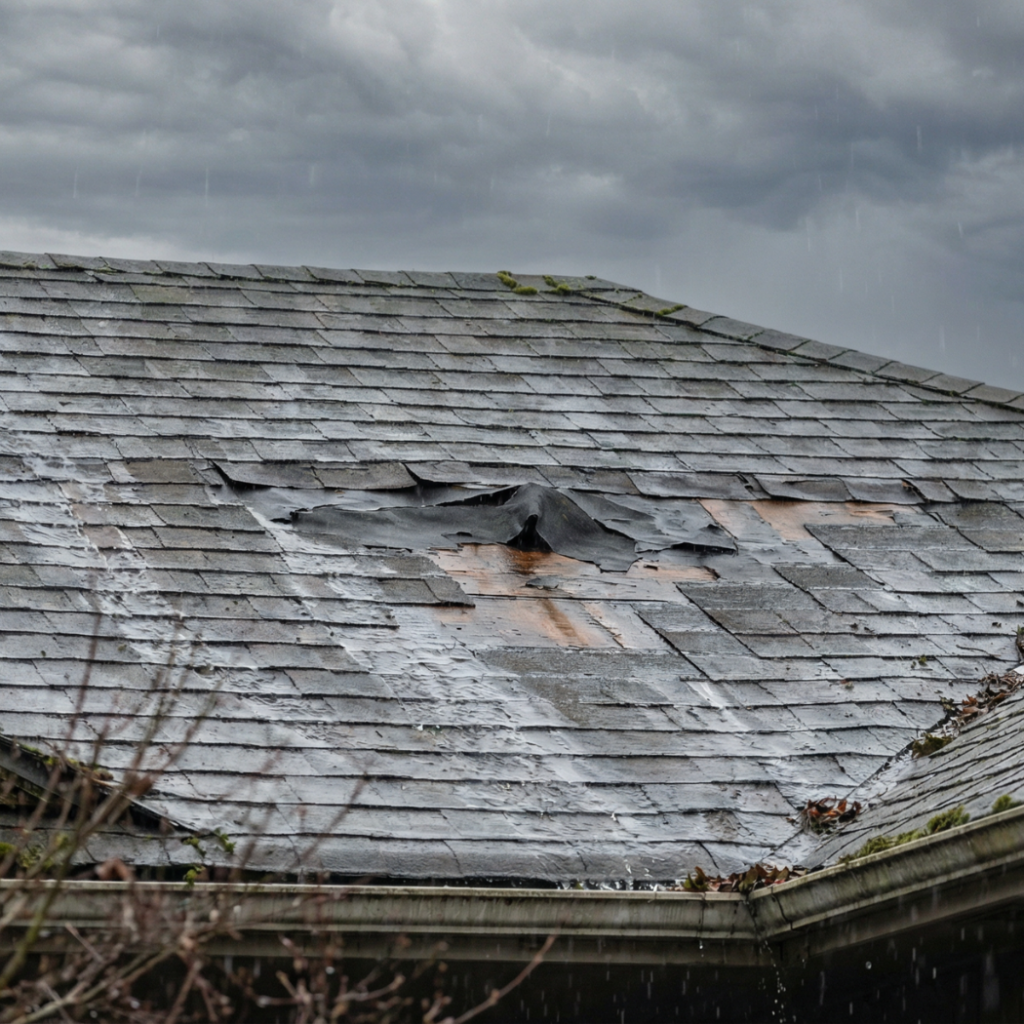
A true emergency is any situation where water is actively entering the home in a way that threatens structural damage, electrical safety, or the contents of the home. An active ceiling leak that is soaking through drywall, large sections of missing shingles visible from the ground, a tree limb that has broken through the roof surface, or exposed decking after wind damage all qualify. In these cases, call for emergency roof repair right away, even in the middle of the night.
Situations that are serious but can wait until early morning include a few missing shingles with no current interior leak, minor drips that slow or stop once the rain eases, and granule loss or surface damage that you noticed after the storm passed but that is not actively admitting water. These still need a professional inspection and prompt repair, but they do not require a 2 a.m. call.
A useful rule of thumb: if you are awake because of it, call. Getting on the schedule early means your home gets attention sooner. Even if the crew cannot respond until morning, a call placed at midnight puts you ahead of the calls placed at 7 a.m.
| Situation | Emergency | When to Call |
|---|---|---|
| Active ceiling leak soaking through drywall | Yes | Call now, day or night |
| Small drip that slows or stops when rain eases | Not immediate | First thing in the morning |
| Visible hole or exposed decking seen from the ground | Yes | Call now |
| A few missing shingles, no interior leak | Not immediate | Morning, but do not delay past that |
What Professional Emergency Roof Repair and Tarping Looks Like
When Teague Roofing Plus responds to an emergency call, the first priority is stopping water from entering the home and securing anything that creates additional risk. Here is what that process looks like from start to finish.
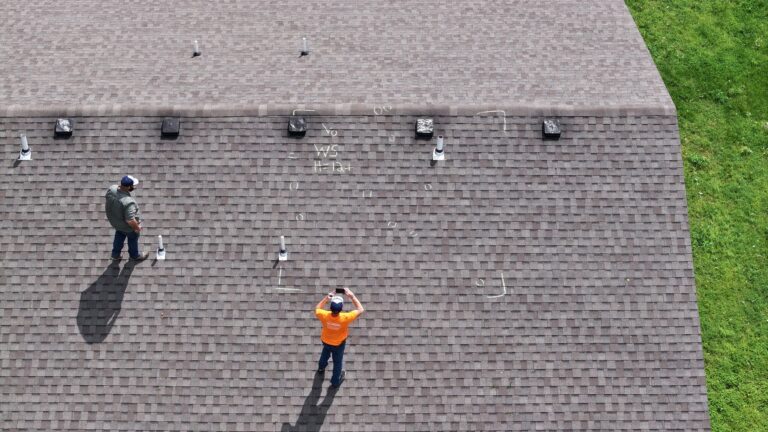
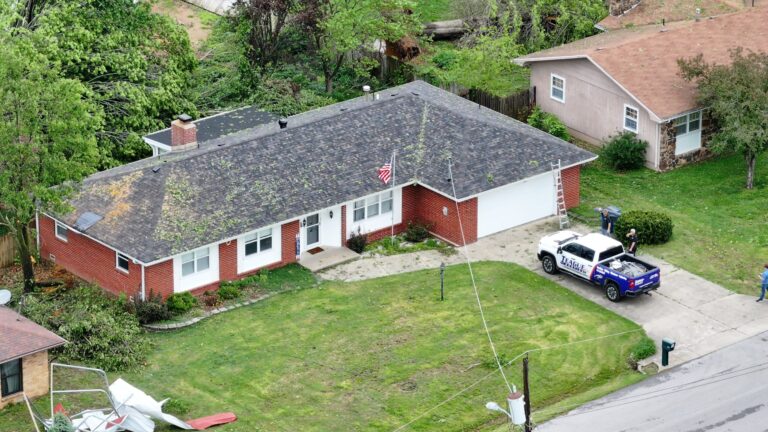
The crew begins with a ground-level and accessible-area assessment to locate the source of the leak and determine whether the structure is safe to approach. They do not climb onto an unstable or unsafe roof just because the homeowner is anxious to have it covered. Safety of the crew is part of doing this correctly.
Once conditions allow, the crew installs heavy-duty emergency tarps over damaged sections, secured at the edges to resist wind lift. A tarp that blows off in the next storm is not a solution. Proper anchoring, using sandbags, battens, or fasteners appropriate to the roof type, is what makes the emergency cover hold until permanent work can begin.
After tarping, the crew checks inside for any additional leak points that the exterior cover may not have addressed and advises on any extra interior protection steps. All work is documented with photos for both the homeowner’s records and the insurance process that follows.
Our roof repair services team follows up every emergency visit with a full inspection and a clear recommendation on permanent next steps.
Important: Emergency tarping is a temporary measure. It stops active water entry and buys time for a proper inspection and permanent repair or replacement. It is not a substitute for the permanent work that must follow.
| Action | Purpose | When It Happens |
|---|---|---|
| Emergency tarp installation | Stops active water entry and protects exposed decking | During or immediately after the emergency response |
| Interior assessment | Identifies additional leak points not covered by the tarp | During the emergency visit |
| Full inspection | Documents damage scope for repair and insurance purposes | After storm conditions allow safe roof access |
| Permanent repair | Addresses root cause of the leak with quality materials | Following inspection and, if applicable, insurance approval |
| Replacement if needed | Appropriate when damage is widespread or roof is end-of-life | Based on inspection findings and insurance scope |
Common Causes of Sudden Roof Leaks in Springfield Storms
Understanding what typically fails during a SW Missouri storm helps you describe the situation clearly when you call and gives you a better picture of what the inspector will focus on.
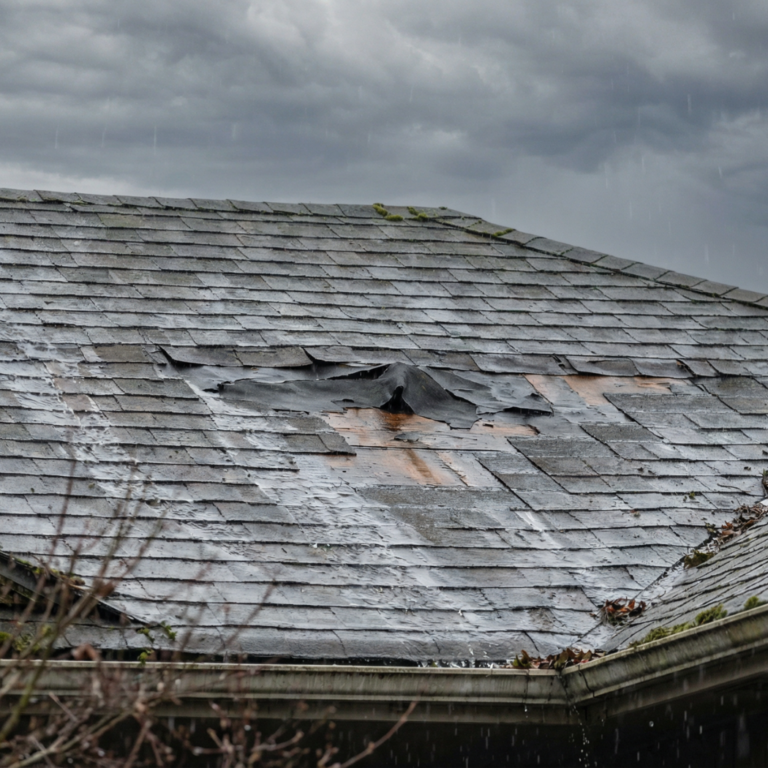
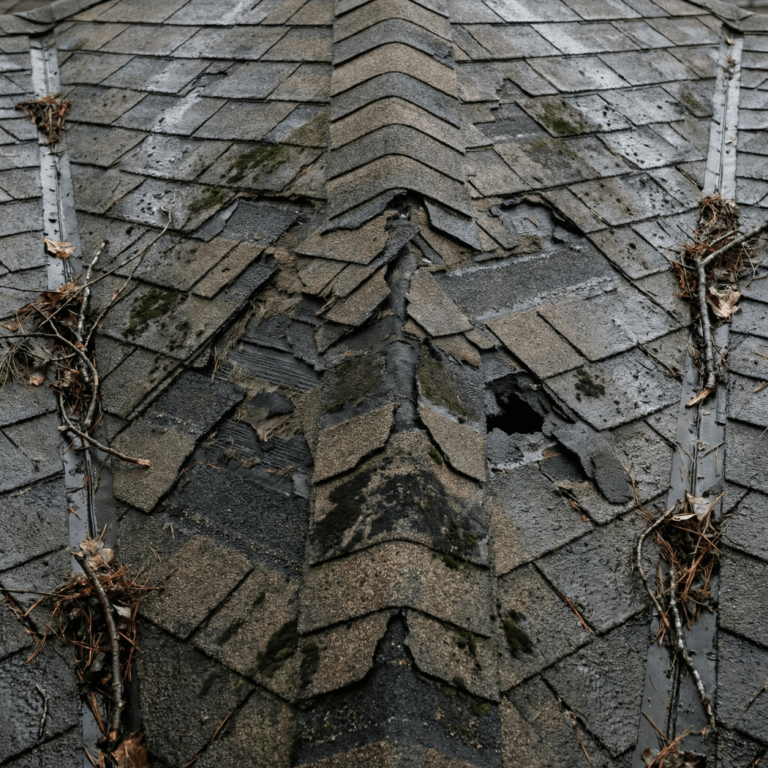
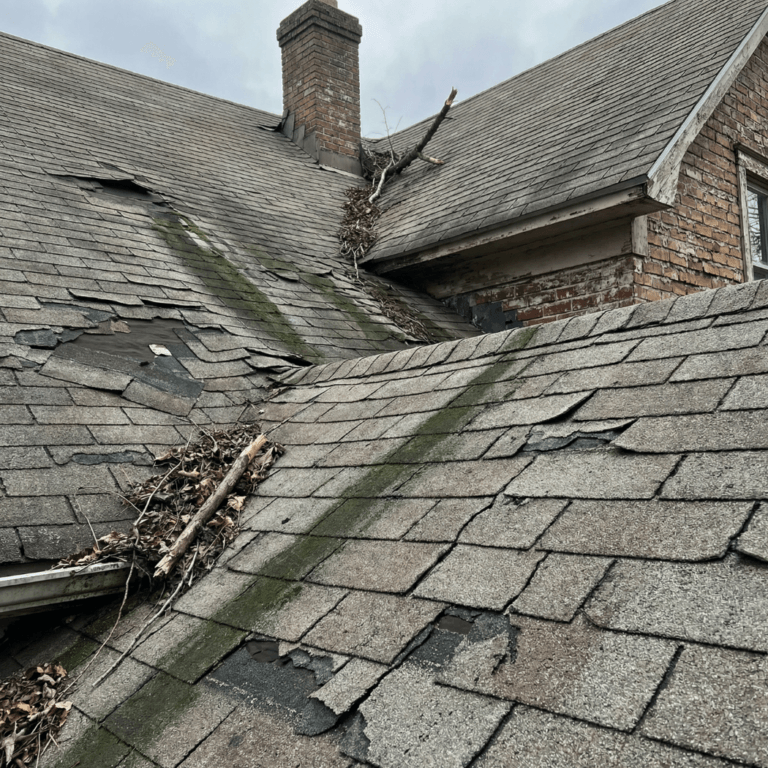
Wind is the most immediate threat during a severe thunderstorm. High-speed gusts can peel shingles back from their adhesive bond or tear sections away entirely, especially near the ridge, edges, and around penetrations where the surface is most exposed. Shingles missing from these areas leave decking directly exposed to rain.
Hail compounds the problem. A hail strike that cracks a shingle or bruises the mat does not create an immediate leak in every case, but it creates a weak point that heavy rain can exploit the same night. According to IBHS water intrusion research, limiting the entry points after initial damage is one of the most effective ways to reduce the total cost and scope of interior damage.
Flashing failures are a third common source. The metal pieces that seal the edges of chimneys, vents, skylights, and valleys are often the first to fail when wind and water hit simultaneously. A flashing failure around a chimney can admit water into the wall cavity, which travels further from the impact point than most homeowners expect.
IBHS thunderstorm readiness guidance consistently identifies the roof deck as the most critical component to protect in a storm event. Once the deck is exposed, every additional minute of rain represents additional interior damage.
According to NWS Springfield, SW Missouri’s peak severe weather season runs from April through June, but significant storms occur in nearly every month of the year. Homeowners in Springfield, Republic, Willard, and Battlefield can expect their roofs to face these conditions repeatedly over the course of the roof’s lifespan.
Pro tip: Even if the source of a leak looks small from outside, the water damage inside can travel far from the entry point before it becomes visible. A leak over the kitchen may have entered at the chimney on the opposite side of the roof. A professional inspection traces the path rather than just treating the visible stain.
| Cause | Where It Typically Happens | Why It Leaks |
|---|---|---|
| Wind-torn shingles | Ridge, edges, and areas around penetrations | Exposed decking has no waterproofing without shingles above it |
| Hail-cracked shingles | Across the field of the roof, concentrated by storm direction | Cracked mat admits water that bypasses the surface granules |
| Failed flashing | Around chimneys, vents, skylights, and valleys | Water follows the joint between the roof surface and the penetration |
| Debris impact | Wherever a branch or flying object struck the surface | Physical damage creates an immediate opening through the roof layers |
How Emergency Roof Repair Fits Into Insurance and Claims
Most homeowners insurance policies require the owner to take reasonable steps to prevent further damage after a covered event. This is called mitigating damages, and it is a specific obligation in most standard policy language. Emergency tarping and interior protection are not optional upgrades, they are expected actions that protect your claim.
If you receive emergency repair work and then file an insurance claim, keeping clear documentation of everything helps the process go smoothly. Photograph the damage before the crew arrives, photograph the tarped roof after the work is done, and keep any written descriptions or invoices from the emergency visit. This documentation shows the insurer that you acted quickly and responsibly to limit further damage.
Missouri homeowners with questions about their specific coverage, claim process, or insurer obligations can contact the Missouri Department of Commerce and Insurance for consumer guidance on their rights and options.
Teague Roofing Plus provides full insurance claim assistance at no extra charge, including documentation of emergency work performed, photos for the claims file, and support during the adjuster meeting. We do not promise specific claim outcomes, but we make sure the full picture of what the storm did to your roof is documented and on the record.
| Step | Why It Matters | What to Save |
|---|---|---|
| Photograph damage before emergency work | Establishes the pre-repair condition for the insurer | Store photos with date and time stamps |
| Call a roofer for emergency tarping | Demonstrates you took reasonable steps to limit further damage | Keep the invoice or written work description |
| Photograph the tarp installation | Shows the insurer what emergency work was done | Add to your claims documentation file |
| Request a written description of emergency work | Supports the claims process with a professional record | Keep alongside your policy and claim number |
What Happens After the Storm: From Emergency Fix to Permanent Solution
Once the storm passes and conditions are safe, the emergency tarp buys you the time you need to make a proper decision about permanent repairs. Here is what that process typically looks like.
Teague returns for a full roof inspection once daylight and dry conditions allow safe access. The inspection covers the full scope of storm damage, not just the area that was tarped. We document the findings with photos, assess the age and overall condition of the roof, and give a clear recommendation on repair versus replacement. A free inspection is part of every post-emergency follow-up, with no obligation attached to it.
If the storm damage is localized and the roof is otherwise in good condition, a targeted repair is often the right path. If the damage is widespread, or if the emergency revealed deeper issues with an aging roof, a full replacement may be the more practical long-term decision. Either way, the choice is made based on what the inspection actually finds, not on what generates more revenue for the contractor.
When the scope of work involves an insurance claim, our team supports the adjuster meeting, handles supplemental documentation, and stays involved through the full process. Schedule a free roof inspection as soon as conditions allow after any storm event, and if the situation leads to roof replacement, we walk you through every material option available.
| Phase | What Happens | Typical Timing |
|---|---|---|
| Storm hits | Damage occurs; homeowner begins interior protection | During the event |
| Emergency call | Homeowner contacts Teague for 24/7 response | During or immediately after the storm |
| Emergency visit and tarping | Crew secures the roof and limits water entry | Same night or first thing next morning |
| Full inspection | Complete damage assessment once conditions allow | Within 1 to 3 days after the storm |
| Adjuster visit, if needed | Insurance assessment with Teague present | Typically within 1 to 2 weeks of filing |
| Permanent repair or replacement | Final work completed based on inspection findings | Project-dependent, following inspection and approval |
Illustrative Scenarios from Around Southwest Missouri
Illustrative scenario: A homeowner in Springfield woke up at 2 a.m. to the sound of a large branch hitting the back of the house. Within minutes, water was dripping into the kitchen from a point of impact on the rear slope. The homeowner called Teague, turned off the kitchen breaker as a precaution, and placed buckets under the drip. The crew arrived before sunrise, assessed the impact area, installed a secured tarp over the damaged section, and photographed the full exterior. A follow-up inspection the next afternoon documented the scope of decking damage and led to a targeted repair completed within the week.
Illustrative scenario: Overnight winds in Republic peeled back a section of shingles near the ridge on a 14-year-old home. The homeowner noticed a small wet spot on a bedroom ceiling the following morning but did not see any obvious hole from the yard. Teague responded to an early-morning call, located the exposed area, installed a temporary patch and tarp, and flagged two additional sections that had lifted edges but had not yet failed. The targeted repair that followed addressed all three areas before the next storm hit.
Illustrative scenario: A hailstorm moved through Nixa late on a weeknight, and a homeowner noticed water pooling in the attic insulation the next morning. The source was a cracked shingle over a valley, an area that concentrates water flow and is particularly vulnerable to hail damage. Teague covered the valley with a secured tarp, protected the attic insulation with plastic sheeting on a follow-up interior check, and returned for a full inspection two days later. The findings supported an insurance claim, and the final scope included full replacement rather than spot repair given the age and storm history of the roof.
Frequently Asked Questions: Emergency Roof Repair in Springfield, MO
What counts as an emergency roof repair?
An emergency roof repair is any situation where active water is entering your home, where structural damage creates an immediate risk to the building or its occupants, or where exposed decking is open to ongoing weather. Active ceiling leaks, tree limbs through the roof surface, and large sections of missing shingles that leave the decking uncovered all qualify. If you are unsure, call. A quick phone description of what you are seeing helps our team determine whether a same-night response is needed or whether a first-light visit is appropriate.
Should I ever get on the roof myself during a storm?
No. Getting on the roof during a storm, at night, or any time conditions feel uncertain is not safe. Wet shingles, wind, and reduced visibility make falls far more likely, and walking on damaged areas can worsen the damage before a professional can assess it. Your job right now is to protect the inside of the home and make the call. Leave the roof to the crew.
Can I put a tarp on my roof by myself?
A ground-floor or low-slope section that you can safely reach without a ladder might be manageable in some situations, but most residential roof tarping requires working at height on a wet surface with proper anchoring materials. An improperly secured tarp that blows off in the next storm provides no protection and can create additional damage. If there is any doubt about safety or proper installation, wait for a professional. The risk of injury or worsening the damage is not worth the few hours you might save.
How fast can Teague Roofing Plus respond to an emergency call?
Teague’s emergency line is available 24/7. Response time depends on conditions, the volume of calls during a widespread storm event, and the location of the property. Homeowners in Springfield, Nixa, Ozark, Battlefield, and nearby communities are within our primary response area. Calling as early as possible, even in the middle of the night, gets you on the schedule ahead of calls placed after sunrise. We will give you an honest estimate of timing when you call.
Does insurance cover emergency roof repairs?
Most homeowners insurance policies cover emergency repair work, including tarping, when it is performed to prevent further damage from a covered storm event. This falls under the policy obligation to mitigate damages. Keep all documentation, including photos before and after the work and any invoices or written descriptions of what was done. The Missouri Department of Commerce and Insurance at insurance.mo.gov can answer questions about specific coverage terms if you are unsure what your policy covers.
What should I do if my roof starts leaking in the middle of the night?
Start with safety: check for water near electrical fixtures and turn off power to that area if needed. Then catch active drips with buckets or containers, move valuables away from the affected area, and document what you see with video. Then call Teague at 417-883-7663. Our emergency line is staffed around the clock. You do not have to wait until morning if water is actively entering your home.
Do I need to call my insurance company before I call a roofer?
No. Call the roofer first. Getting emergency protection in place before you call the insurer is not only acceptable, it is expected by most policies. The insurer will want to see that you took prompt action to prevent further damage. Once the emergency work is done and documented, then contact your insurer to start the claims process. Teague can help you with documentation and supports the adjuster visit as part of our standard process.
Will an emergency tarp stop all leaks until repairs are done?
A properly installed emergency tarp covers the damaged area and significantly reduces or eliminates water entry through that section. However, a tarp is not a permanent repair, and it may not address every leak point on the roof. Our crew checks the full accessible area during an emergency visit and notes any additional points of concern. The follow-up inspection after the storm gives a complete picture of everything that needs to be addressed.
What happens during an emergency roof tarping visit?
The crew starts with a ground-level and accessible-area assessment to locate the damage source and confirm conditions are safe to work in. They then install heavy-duty tarps over the damaged sections, secured against wind lift with appropriate anchoring. They check inside the home for any additional leak points and document the work with photos. Before leaving, they walk you through what was done and what the next steps are, including scheduling the full inspection once daylight and dry conditions allow.
How soon after the storm should I schedule a full roof inspection?
As soon as conditions allow safe roof access, typically within one to three days after the storm. The sooner the inspection happens, the cleaner the documentation connecting the damage to the specific storm event. In SW Missouri, where multiple storms can move through within days of each other, getting an inspection dated to the right event protects the clarity of any insurance claim. Contact our Springfield roofing company to schedule your post-storm inspection. You can also review our team’s approach to understand how we handle every step from emergency response through final repair.
Key Takeaways for Springfield Homeowners
- Safety comes first. Check for electrical hazards near water, stay away from sagging ceilings, and never climb on the roof yourself during a storm or at night.
- Stop the water from inside. Catch drips, move valuables, cover what cannot be moved, and document everything before you start cleaning up.
- Know when to call now vs when to wait until morning. Active leaks, exposed decking, and tree damage through the roof are same-night calls. Minor drips that ease with the rain can wait until first light.
- Emergency tarping is step one, not the finish line. A tarp limits damage and buys time for a proper inspection. Permanent repair or replacement must follow.
- Document everything for insurance. Photos and written records of damage and emergency work protect your claim and show the insurer you acted responsibly to limit further damage.
- Call early. Getting on the schedule at midnight puts you ahead of calls placed at 7 a.m. when everyone else is calling after a regional storm.
- Long-term decisions come after the storm. The emergency visit stabilizes your home. The full inspection that follows is where the repair-versus-replacement conversation happens correctly.
Need Emergency Roof Help in Springfield Right Now?
If water is coming in, shingles are missing, or you can see storm damage from your yard, do not wait to call. Teague Roofing Plus runs a 24/7 emergency roof repair line for exactly this situation. Our team serves Springfield, Nixa, Ozark, Republic, Rogersville, and communities across SW Missouri, and we show up when it matters.
Teague has been handling storm damage in this region since 1971. When an emergency call comes in, the focus is the same as it has always been: make the home safe, stop the water, and give the homeowner a clear and honest plan for what comes next. No pressure, no upselling in the dark, just practical help from a local team that will still be here after the season ends.
Call 417-883-7663 for 24/7 emergency response, or contact us online if conditions allow. We also offer our full range of exterior services for whatever your home needs once the emergency is behind you.
Teague Roofing Plus | Roofing, Siding, Windows, Gutters, and More. Serving Southwest Missouri Since 1971.