
When something goes wrong with your roof, the first question most Springfield homeowners ask is straightforward: do I fix this or replace the whole thing? Getting that answer wrong in either direction costs you. Repair when you should replace and you are back in the same conversation in two years. Replace when a repair would have done the job and you spent money you did not need to spend. This guide gives you a clear, honest framework for making that call, and explains how Teague Roofing Plus walks through that decision with homeowners across SW Missouri.
TLDR: Whether to repair or replace depends on four things: roof age, the pattern and extent of damage, how many times you have already repaired it, and the storm history it has been through. Localized problems on younger roofs usually point toward repair. Widespread damage, repeated leaks, or a roof past its expected lifespan usually point toward replacement. A free inspection gives you a documented answer before you commit to either path.
You do not want to throw money at repairs on a roof that is quietly failing across its whole surface. A patch here and a patch there feels like progress until the next storm proves otherwise.
At the same time, you do not want to be pushed into a full replacement when a solid repair would protect your home for another decade. That kind of pressure shows up in SW Missouri after every significant storm, when contractors move through Springfield, Republic, and surrounding communities with fast answers to complicated questions.
You just want someone to look at your roof, look you in the eye, and tell you the truth. That is what this guide is built around, and it is how Teague Roofing Plus has approached every job since 1971.
The Big Question: Patch It or Replace It?
Most homeowners in Springfield, Nixa, and Ozark reach this question the same way. A storm comes through, or a stain appears on the ceiling, or a neighbor says their roofer found something concerning on a similar house down the street. Suddenly you are trying to figure out whether this is a small fix or a major project.
The honest answer is that neither option is automatically better. Repairs exist because not every problem requires tearing off an entire roof. Replacements exist because some roofs have reached the point where continued patching costs more, causes more stress, and protects the home less than starting fresh. The right path depends on the specific combination of factors your roof presents, not on any single sign taken alone.
The table below outlines the four questions this guide is built to answer. Work through each one with your own roof in mind and you will have a much clearer sense of which direction fits before you call anyone.
| Question | What This Guide Answers |
|---|---|
| Is a repair actually enough, or will the problem return? | H2 2 walks through the repair lane and when it holds up |
| Is my roof too old to keep repairing? | H2 4 explains how age and storm history work together |
| How does storm damage change the calculation? | H2 5 and H2 7 address emergencies and insurance |
| How does Teague walk through this decision? | H2 6 explains the evaluation process step by step |
Understanding the framework does not replace a professional inspection, but it helps you ask better questions and recognize a straight answer when you hear one.
When a Roof Repair Is Usually Enough
Not every roof problem signals the end of the roof. Some problems are isolated, fixable, and entirely normal for a roof that is otherwise holding up well. The National Roofing Contractors Association identifies localized damage on a structurally sound roof as the clearest indicator that a targeted repair, rather than full replacement, is the appropriate response.
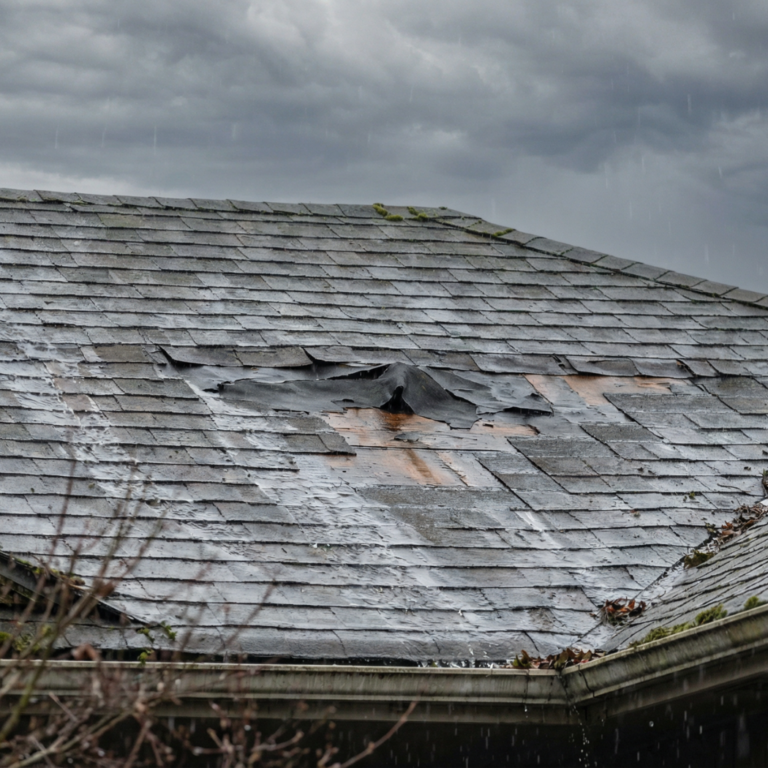
A classic repair situation is a single leak traced back to a specific cause: failed flashing around a chimney, a cracked sealant boot on a plumbing vent, or a handful of shingles that blew off in a wind event while the rest of the roof stayed intact. The problem has a clear location and a clear cause. Fixing it correctly stops the damage and extends the roof’s useful life without touching anything that does not need attention.
Roof age matters here. A roof under 10 to 15 years old that has not leaked before and has no widespread issues is usually a strong repair candidate. Most of the roof still has life ahead of it. A targeted repair protects that investment rather than discarding it.
The key word is “targeted.” A good repair addresses the root cause, not just the visible symptom. Placing a new shingle over a flashing failure without fixing the flashing does not solve the problem. It hides it temporarily. Our roof repair services always start with identifying the actual cause before any material goes on the roof.
Pro tip: In SW Missouri’s climate, catching a problem early almost always keeps it in the repair category. A flashing gap found during a routine inspection is a straightforward fix. That same gap found after two years of slow water infiltration into the decking is a much larger job.
| Problem | Typical Roof Age | Why Repair Often Works |
|---|---|---|
| One leak from failed flashing around a vent | Any age, especially under 15 years | Isolated cause with a clear fix; rest of roof unaffected |
| A few storm-damaged shingles in one area | Under 15 years preferred | Small footprint; repair blends well and stops exposure |
| Minor wind damage on one slope | Under 15 years preferred | Single event on an otherwise sound surface |
| Nail pops or small penetration gaps | Any age | Localized fastener issues respond well to spot repair |
Repair is the right call when the problem in front of you is the exception, not a pattern.
When Roof Replacement Is Usually the Smarter Move
Some roofs reach a point where repairs stop being investments and start being delays. Recognizing that point clearly is what protects homeowners from spending on temporary fixes that lead right back to the same conversation.
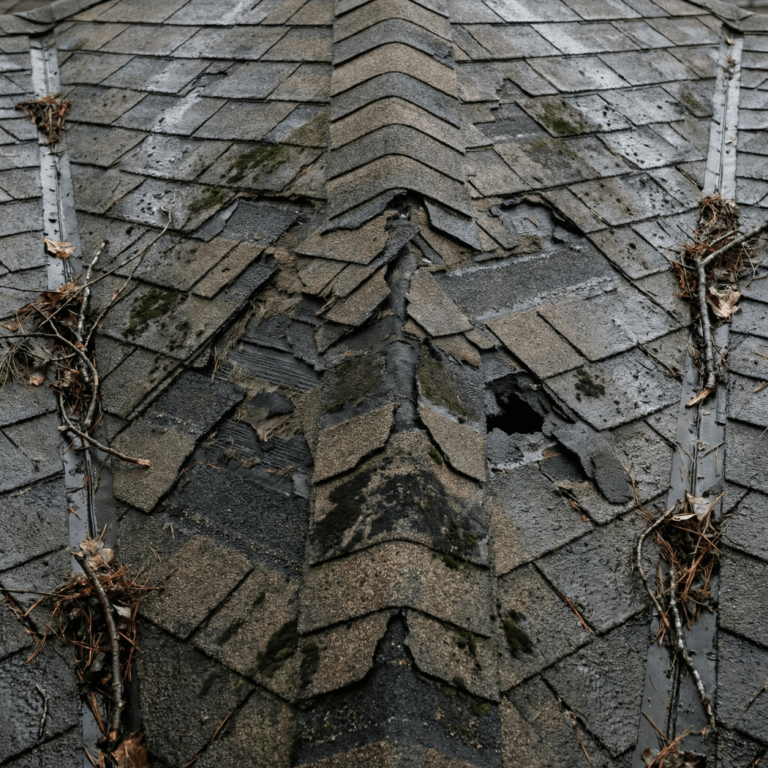
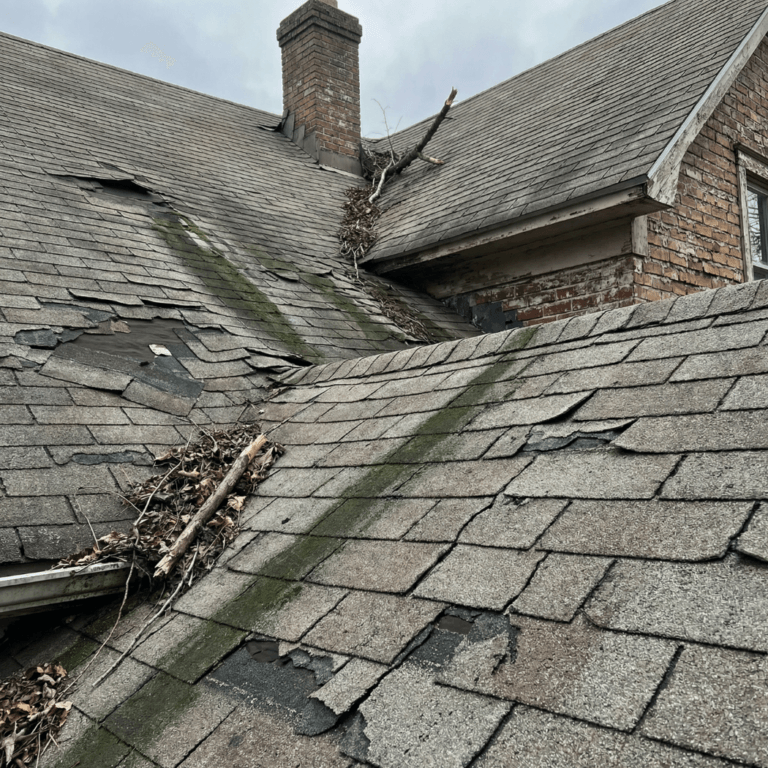
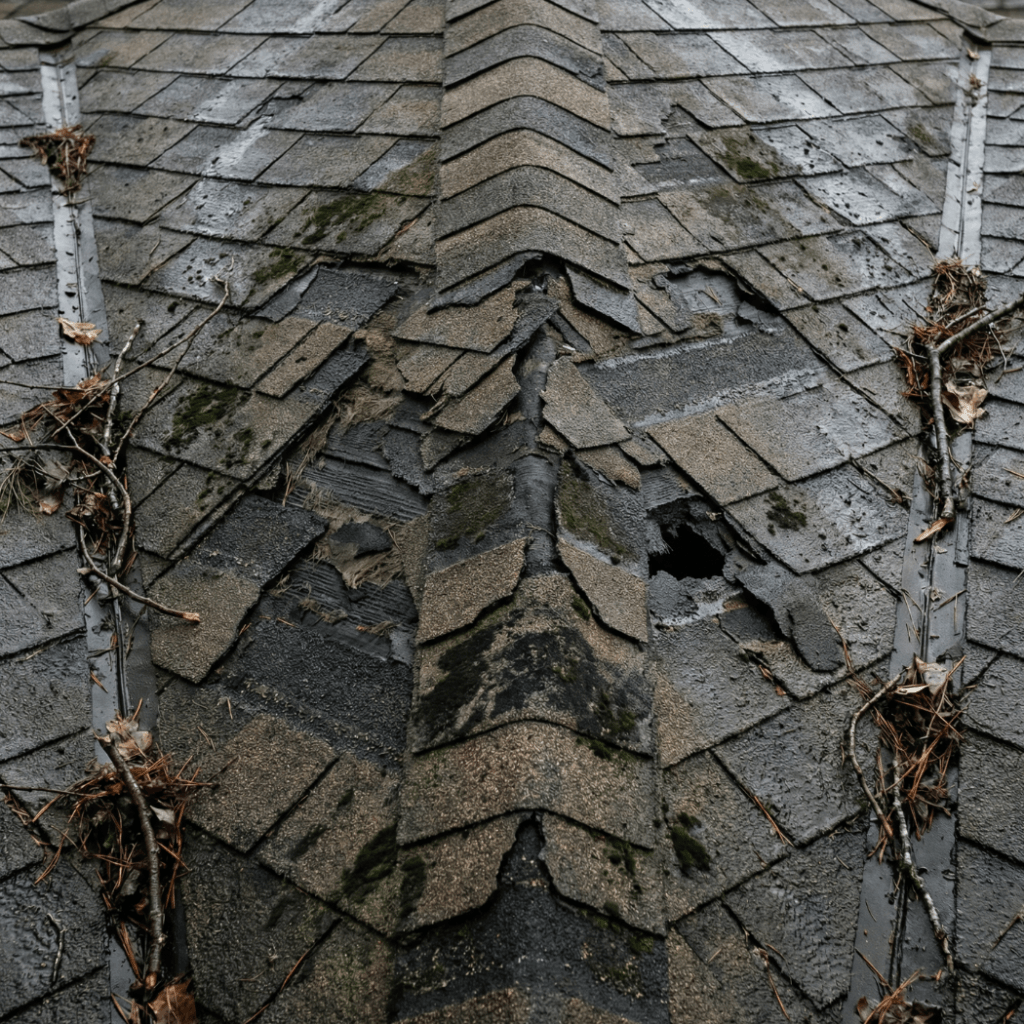
The clearest replacement signal is a roof at or past its expected lifespan showing widespread wear across multiple slopes. Owens Corning, the manufacturer behind Teague’s Platinum Preferred certification, provides product lifespan guidance that reflects the performance range homeowners can expect from quality architectural shingles under normal installation and weather conditions. When a roof in that age range shows curling shingles, significant granule loss, soft spots in the decking, and has been leaking in different locations over the years, the roof is telling you it is done.
Multiple leaks in different rooms or on different slopes is a particularly clear replacement signal. A single leak has a single source. Leaks appearing in separate locations on the same roof mean the surface has degraded broadly, and fixing one entry point simply moves the problem to another.
Widespread storm damage across large sections of the roof also pushes toward replacement, especially when it sits on top of an older surface that was already near the end of its useful life. The storm may have accelerated the timeline, but the underlying condition was already there.
A full roof replacement on a roof that has reached this point is not a loss. It is the decision that stops the cycle of repeated repairs, repeated leak events, and repeated conversations about the same failing surface.
| Situation | Why Repairs Keep Failing | Why Replacement Makes More Sense |
|---|---|---|
| 20-plus-year-old roof with several leaks | Surface has failed broadly; each repair exposes another weak point | Replacement resets the protection level across the whole surface |
| Widespread hail bruising across multiple slopes | Distributed damage cannot be addressed piecemeal | Insurance-eligible event often aligns with full replacement scope |
| Many prior patches over the years | Patches compound over time and create inconsistent performance | Replacement creates a uniform, reliable surface |
| Sagging roof plane with soft decking | Structural failure cannot be addressed at shingle level | Replacement includes decking repair and restores integrity |
The honest question to ask is this: if you fix the problem in front of you today, will the rest of the roof hold for another meaningful number of years? If the answer is probably not, replacement is the more practical path.
How Roof Age and Storm History Matter in Springfield
A roof’s age on paper and its effective condition in the real world are not always the same thing. In SW Missouri, they can diverge significantly.
Most asphalt shingle roofs deserve serious evaluation around 20 to 25 years of age. But a roof in Springfield, Willard, or Battlefield that has absorbed three or four significant hail events over its life is not in the same condition as a roof of equal age in a calmer climate. Each impact strips granules, stresses the shingle mat, and accelerates the underlying degradation that eventually leads to failure. A 17-year-old roof with a heavy storm history can present like a 22-year-old roof that stayed dry and undisturbed.
This is why the standard “how old is your roof” question only tells part of the story. Storm history adds the other part. According to NWS Springfield, the region sees repeated severe thunderstorm activity with hail and high winds across the calendar, and SW Missouri’s peak severe weather season runs from April through June. Roofs from Marshfield to Branson and from Fair Grove to Aurora face that weather pattern over and over throughout their lifespan. Factoring it into the repair-versus-replacement conversation is not overcautious. It is realistic.
Pro tip: Before any inspection, try to pull together what you remember about the roof’s storm history. Major hail events, years when you filed claims, any prior repairs you know about. That timeline helps an inspector read the current condition in context and give a more accurate assessment of how much useful life remains.
| Roof Age | Storm History | What Teague Typically Looks For |
|---|---|---|
| Under 10 years | Few storms | Confirm isolated issue; repair almost always appropriate |
| 10 to 15 years | Several moderate storms | Check for cumulative granule loss and bruising; repair or targeted section work |
| 15 to 20 years | Major hail history | Broad inspection for soft spots, pattern damage, and decking condition |
| Over 20 years | Repeated repairs over the years | Honest assessment of remaining life versus the cost of continued patching |
Age and storm history together define how much useful life the roof has left. That remaining life is what determines whether a repair is an investment or a delay.
Emergency Roof Situations: What to Do Tonight vs Later
Some roof situations require action before anyone can have a meaningful repair-versus-replacement conversation. Active emergencies need to be stabilized first. The longer-term decision follows after the immediate problem is under control.
True emergencies include active interior leaks during a storm, large sections of shingles blown off leaving decking exposed, and significant structural damage like a tree limb through the roof surface. The Insurance Institute for Business and Home Safety recommends that in these situations, the immediate priority is protecting the interior from further water damage, typically through emergency tarping, before any repair or replacement scope is discussed.
Our emergency roof repair team is available 24/7 for situations that cannot wait. A tarp installed that night limits interior damage and preserves the damage evidence you will need for the inspection and insurance process that follows.
Storm damage repair that follows emergency stabilization starts with a full assessment of what the storm actually did to the roof and what condition the roof was in before the event. That baseline is what drives the repair-versus-replacement recommendation.
Non-emergency situations, like a ceiling stain that has been slowly growing, a few missing shingles with no active leak, or signs of granule loss at the downspouts, do not need same-night action. They need a scheduled inspection within a reasonable window so the findings can be documented and addressed properly.
| Situation | Emergency or Not | First Step | Next Discussion |
|---|---|---|---|
| Active interior leak during a storm | Emergency | Call for tarping or emergency repair | Full inspection and repair vs replacement after stabilization |
| Missing shingles with no interior leak yet | Not immediate | Document and schedule inspection this week | Repair likely if isolated; inspection confirms scope |
| Tree limb through roof surface | Emergency | Safety first, then emergency call | Extent of decking damage determines repair vs replacement |
| Ceiling stain from a storm weeks ago | Not immediate | Schedule inspection soon | Source identification and recommendation based on findings |
Stabilize first, decide second. Rushing the repair-versus-replacement call during an active emergency almost always produces the wrong answer.
What Teague Looks At During a Repair vs Replacement Evaluation
When Teague Roofing Plus conducts an inspection to assess repair versus replacement, the process follows a consistent set of factors. Understanding those factors helps homeowners follow the reasoning rather than just accepting a conclusion.
Roof age and material type come first. They establish the baseline for what life expectancy remains and what performance standard the current surface was built to meet. Then the inspection moves to damage pattern. Is the damage concentrated in one area, pointing toward a specific cause? Or does it show up across multiple slopes and sections, suggesting a broader surface failure?
Leak history and prior repair records matter next. A roof patched in three different locations over five years is sending a clear message about its condition, even if no single leak looks catastrophic on its own. Decking condition follows. Soft spots, bounce underfoot, or staining visible from the attic mean water has already been working below the shingles for some time.
Attic evidence and ventilation round out the picture. Moisture patterns in the attic insulation, staining on the rafters, and ventilation issues that cause heat or condensation buildup all affect how a roof ages and whether a repair will hold long-term.
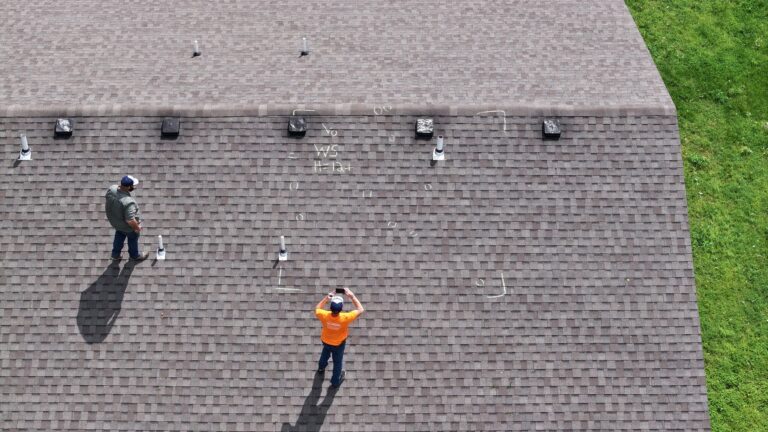
After the evaluation, Teague walks through the photos with the homeowner and explains each factor. The recommendation comes with a reason, not just a conclusion. Schedule a free roof inspection and we will complete this full evaluation at no charge. As an established Springfield roofing company with over 50 years of work across this region, our team has run this process thousands of times on SW Missouri roofs.
| Factor | Why It Matters | How It Influences the Decision |
|---|---|---|
| Roof age | Establishes remaining lifespan on paper | Older roofs lean toward replacement |
| Damage pattern | Isolated vs widespread indicates cause type | Concentrated damage leans repair; distributed damage leans replacement |
| Leak history | Multiple leaks signal systemic failure | Repeated leaks in different locations lean strongly toward replacement |
| Decking condition | Soft or stained decking means water has been active below | Compromised decking often requires replacement scope |
| Prior repairs | Multiple patches indicate accumulated wear | Heavily patched roofs often perform better with full replacement |
| Storm history | SW Missouri storms accelerate aging | Heavy storm history shifts the effective age of the roof earlier |
No single factor makes the decision. The combination tells the story.
How Insurance Claims Affect the Repair vs Replacement Decision
When storm damage triggers an insurance claim, the scope the insurer approves can shape the repair-versus-replacement outcome in ways homeowners do not always anticipate.
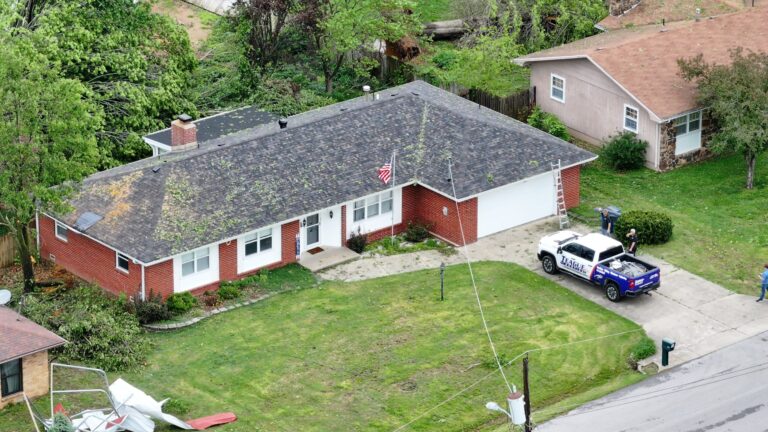
After a significant hail or wind event, Teague’s team documents the damage thoroughly and meets with the adjuster on site. The inspection report establishes the extent of functional damage across the roof. If that damage is limited to one slope or section, the approved scope may cover a partial repair. If the damage is widespread across multiple faces of the roof, the approved scope often aligns with full replacement.
The insurer approves a scope based on documented functional damage. A good contractor makes sure the documentation is complete so nothing gets missed. Our insurance claim assistance service covers that entire process at no additional charge to the homeowner.
Missouri homeowners who have questions about how their policy handles storm damage, coverage types, or the claims process can contact the Missouri Department of Commerce and Insurance for plain-language consumer guidance on their rights and options.
| Damage Pattern | Typical Insurance Scope | Most Common Recommendation |
|---|---|---|
| One damaged slope on a newer roof | Partial repair or section replacement | Repair the affected slope, monitor the rest |
| Multiple slopes with functional hail damage | Full replacement often approved | Replacement, with material upgrade conversation |
| Missing shingles from wind in a small area | Repair of affected section | Repair if roof is younger and otherwise sound |
| Older roof with major storm damage across the surface | Full replacement typically approved | Replacement, prioritize materials that handle future storms better |
Insurance approval and Teague’s recommendation typically align when the documentation is complete. When they do not, we explain the gap and help the homeowner understand their options.
Watch Out for High-Pressure Sales After Storms
After every significant hail or wind event in SW Missouri, a predictable pattern follows. Out-of-town contractors begin working neighborhoods in Springfield, Strafford, Rogersville, and surrounding communities. Their pitch is usually simple and urgent: you need a new roof, I can start this week, sign today.
The pressure is the tell. A contractor who needs you to decide before the end of the day is asking you to make a major decision without the time or information you need to make it correctly. No legitimate local roofer operates that way, because no legitimate local roofer benefits from a homeowner who later feels misled.
Red flags to watch for include high-pressure timelines, requests for large upfront deposits before any work begins, and no verifiable local address or established community presence. Missouri law requires written contracts for home repair work. The Greene County Building Code office at 940 Boonville Ave and the Missouri Department of Commerce and Insurance both offer resources to help homeowners verify contractors and understand their rights before signing anything.
A company that showed up after last week’s storm has no accountability to the Springfield community once storm season ends. Teague Roofing Plus has been here since 1971. Our team and our full range of exterior services are rooted in this community, and every recommendation we make reflects that long-term accountability.
| Factor | Local Long-Term Roofer | Door-to-Door Storm Chaser |
|---|---|---|
| Years in SW Missouri | Decades of documented local work | Arrived after the storm, leaves after the season |
| Verifiable local address | Physical office, findable and accountable | Often none or out of state |
| Who handles follow-up problems | Same company, same team | Often unreachable after leaving the area |
| How they talk about repair vs replacement | Honest assessment based on inspection findings | Often pushes full replacement regardless of actual damage |
| Warranty support after the job | Available locally for the warranty period | Difficult or impossible to reach if issues arise |
Taking a few extra days to verify a contractor before signing saves far more trouble than the delay costs.
Illustrative Scenarios: Real-World Repair vs Replacement Decisions in SW Missouri
Illustrative scenario: A homeowner in Nixa had a 12-year-old roof that developed a single leak around a plumbing vent after a spring storm. The rest of the roof showed no signs of widespread wear or impact damage. Teague’s inspection found a failed sealant boot at the vent penetration and confirmed the surrounding shingles were in good condition. The repair was completed in a single visit. No replacement discussion needed.
Illustrative scenario: A Republic homeowner had noticed ceiling stains in three different rooms over seven years and had called a previous contractor twice for patching. After a significant hail event, they called Teague. The inspection found bruising and granule loss distributed across all four roof slopes, soft decking in two locations, and a ridge cap that had absorbed repeated hits. The repair history combined with the widespread current damage made a clear case for full replacement rather than another round of patching. The homeowner filed a claim with the written inspection report, and the insurer approved full replacement.
Illustrative scenario: After a major hail event hit Springfield, a homeowner called Teague for an inspection. The crew found functional hail damage across multiple slopes, with bruising and granule loss concentrated on the north and west faces. The insurance adjuster reviewed the written inspection report on site and approved a full replacement. The homeowner used the replacement as an opportunity to upgrade to Class 4 impact-resistant shingles, reducing their exposure in future hail events.
Frequently Asked Questions: Roof Repair vs Roof Replacement in Springfield, MO
How do I know if I need a roof repair or a full replacement?
The clearest indicators are roof age, damage pattern, and leak history. A younger roof with isolated, localized damage from a specific event is almost always a repair candidate. A roof that is 20-plus years old, has been patched multiple times, and is now leaking in different locations is giving you a strong signal that replacement is the more practical path. A professional inspection documents the current condition and gives you a clear recommendation based on what is actually on the roof, not a guess from the ground.
Does a single leak always mean I need a new roof?
No. A single leak traced to a single cause, such as a failed flashing seal or one cracked shingle, is usually a repair. The concern arises when leaks appear in multiple locations over time or when a single leak is accompanied by signs of widespread surface degradation. An inspection identifies the source of the leak and evaluates whether it is an isolated issue or part of a broader pattern of failure across the roof.
How old is “too old” for an asphalt shingle roof in our area?
Most asphalt shingle roofs deserve serious evaluation around 20 to 25 years of age. In SW Missouri, where roofs absorb repeated hail and wind events over their lifespan, that threshold can arrive earlier for roofs with significant storm history. A roof that was installed 18 years ago and has been through four major hail events may be functionally closer to the end of its useful life than a 22-year-old roof in a calmer climate. Age is the starting point of the conversation, not the whole answer.
Can I just keep repairing a very old roof instead of replacing it?
You can, but at some point the economics stop working in your favor. An end-of-life roof that has been patched in multiple locations will continue producing new failure points as the surface degrades broadly. Each repair extends the situation by months rather than years, and the cumulative cost of repeated patching often approaches or exceeds what a full replacement would have cost if done earlier. The honest answer from Teague is always based on what the inspection actually shows, not on what generates more work for us.
What if a door-to-door contractor told me I need a full replacement right now?
Take your time before agreeing to anything. Door-to-door solicitation after storms is a well-documented pattern in SW Missouri, and the pressure to sign the same day is a red flag regardless of what they found. Get a second opinion from a locally established contractor, ask to see the written inspection findings, and verify the contractor’s local address and standing before any money changes hands. Teague will give you an honest assessment with no time pressure attached.
How does insurance affect the repair vs replacement choice?
Insurance covers storm-caused functional damage based on your policy type and the documented scope of the damage. If hail or wind caused localized damage, the insurer may approve a repair. If the damage is widespread and functional across multiple slopes, the approved scope often aligns with full replacement. Having a contractor’s written inspection report in hand before the adjuster visits strengthens the documentation on your behalf. Teague attends adjuster meetings and manages the full claims process at no extra charge.
How long does a roof repair usually take?
Most targeted roof repairs, including flashing replacement, localized shingle work, and sealant failures around penetrations, take anywhere from a few hours to a full day depending on the scope and roof complexity. Larger partial repairs covering a full slope may take one to two days. Teague provides a clear timeline as part of every repair estimate so you know what to expect before the crew arrives.
How long does a roof replacement usually take?
Most full residential roof replacements in the Springfield area take one to three days depending on roof size, pitch, number of layers being removed, and material choice. Teague works efficiently to minimize the time your home is exposed during tear-off, and handles all permit coordination so you do not have to manage that process. Weather can affect scheduling, and the team will communicate any timing changes directly with you.
What if I plan to move in a few years: should I still replace?
It depends on the current condition of the roof. A roof that is failing or that will visibly show its age during a home inspection can affect the sale price or the deal itself. In some cases, a targeted repair that addresses the most visible issues extends the useful life long enough to serve a shorter remaining ownership period. In other cases, replacement makes the most sense to protect the sale. Teague walks through both scenarios and gives you a straight recommendation based on your actual timeline and the current condition of the roof.
What does a free inspection from Teague Roofing Plus include?
Our free inspection covers a full roof walk slope by slope, checking shingles, flashing, ridge cap, valleys, and soft metals for damage and wear. We check the attic if accessible and review any interior signs you have noticed. At the end, we walk you through the findings with photos and give you a clear recommendation: repair, watch and wait, or replacement. The inspection is free, there is no obligation attached to it, and if a repair is all you need, we will tell you that directly.
Key Takeaways for Springfield Homeowners
- Repairs have their place. Localized problems on younger roofs almost always belong in the repair lane. A targeted fix done correctly extends the roof’s useful life without the cost of full replacement.
- Age and history both matter. A roof that has absorbed years of SW Missouri hail and wind is functionally older than its installation date suggests. Factor in storm history alongside the calendar year.
- Storms change the equation. Hail and high winds can push an aging roof over the edge faster than normal wear would. A post-storm inspection tells you where your roof actually stands.
- Act fast on emergencies. Handle active leaks and exposed areas right away, then make the repair-versus-replacement decision after a full inspection with the emergency stabilized.
- Repeated repairs are a signal. If you have already patched the same roof in multiple locations, pay attention. That pattern often means replacement is closer than you think.
- Local accountability matters. A contractor planning to be in this community for the next decade will give you an honest recommendation. One who arrived after the storm and leaves after the season has different incentives.
- You do not have to figure this out alone. A free inspection from Teague Roofing Plus gives you a photo-documented answer based on what is actually on your roof, not a guess from the ground or a sales pitch at the door.
Ready for an Honest Opinion on Your Roof?
If you are staring at a ceiling stain, standing in a yard full of granules, or just wondering whether the roof over your Ozark or Branson home has enough life left to justify another repair, the right next step is a free inspection with no strings attached. You find out exactly what you have, and you hear a straight answer about what to do with it.
Teague Roofing Plus has been giving those straight answers in Springfield and across SW Missouri since 1971. Josh Tessmer runs the company today the same way Kenneth Teague ran it when he founded it: show up, do honest work, and tell the homeowner what you would do on your own house. Our team will walk your roof, show you the photos, and explain the options without pressure.
Call us at 417-883-7663 or contact us online to schedule your free roof inspection. We serve Springfield, Nixa, Ozark, Republic, Willard, Battlefield, Rogersville, Strafford, and communities across SW Missouri.
Teague Roofing Plus | Roofing, Siding, Windows, Gutters, and More. Serving Southwest Missouri Since 1971.