
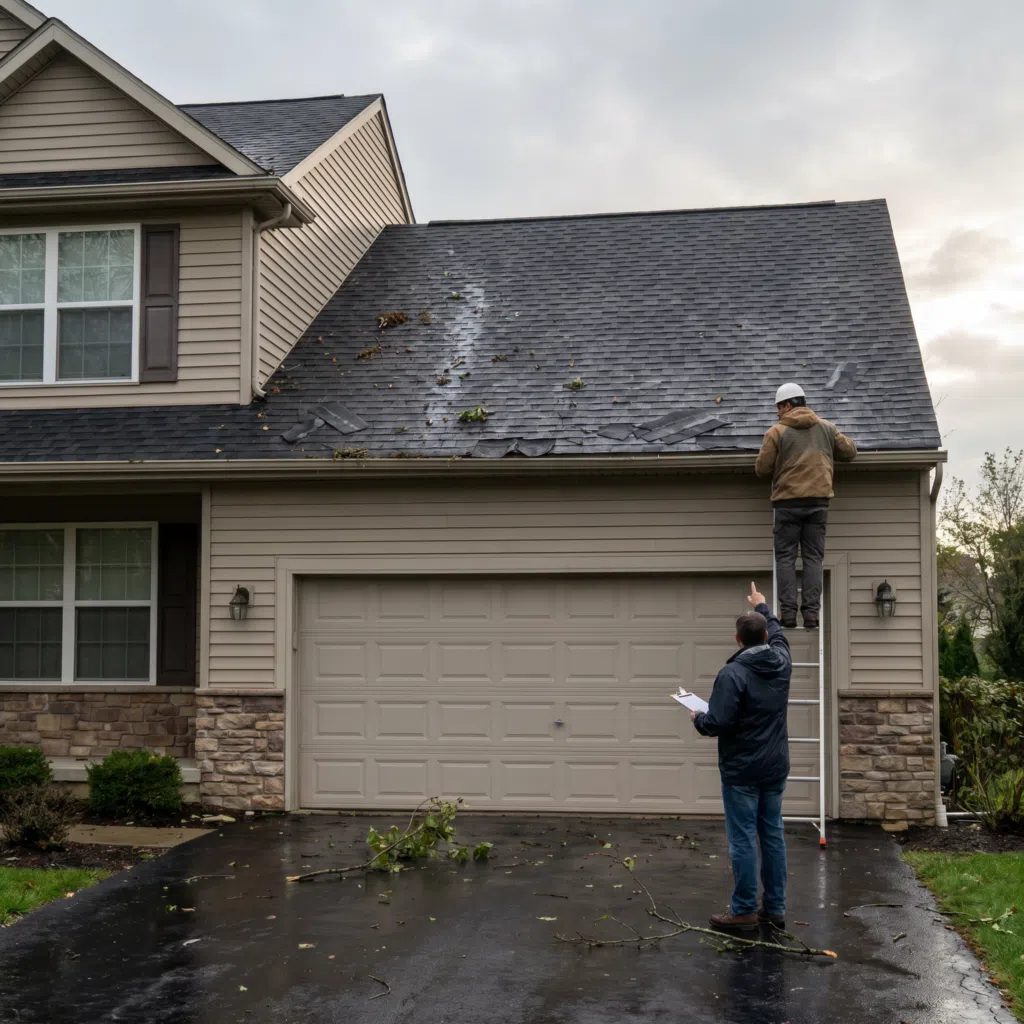
A storm just rolled through and your roof took a hit. Maybe there’s a tree limb on the shingles, or water spotting on the ceiling, or shingles in the yard you don’t recognize. The first 24 hours matter, both for your safety and your insurance claim. Here’s the order to handle it in.
TLDR: Safety first, never climb on a wet or storm-damaged roof. Document damage from the ground and from the attic with timestamped photos. Protect the inside of the house from further water damage. Call a local roofer before you call your insurance company so you have independent documentation. File the claim within your policy’s deadline and ask whether you have RCV or ACV coverage in writing.
Make Sure Everyone Is Safe First
Before anyone climbs a ladder or starts taking photos, get the safety basics handled. Storm damage looks one way from the driveway and a different way once you’re up close, and SW Missouri tornadoes and straight-line winds can leave hidden structural damage in homes that look mostly intact from the street.
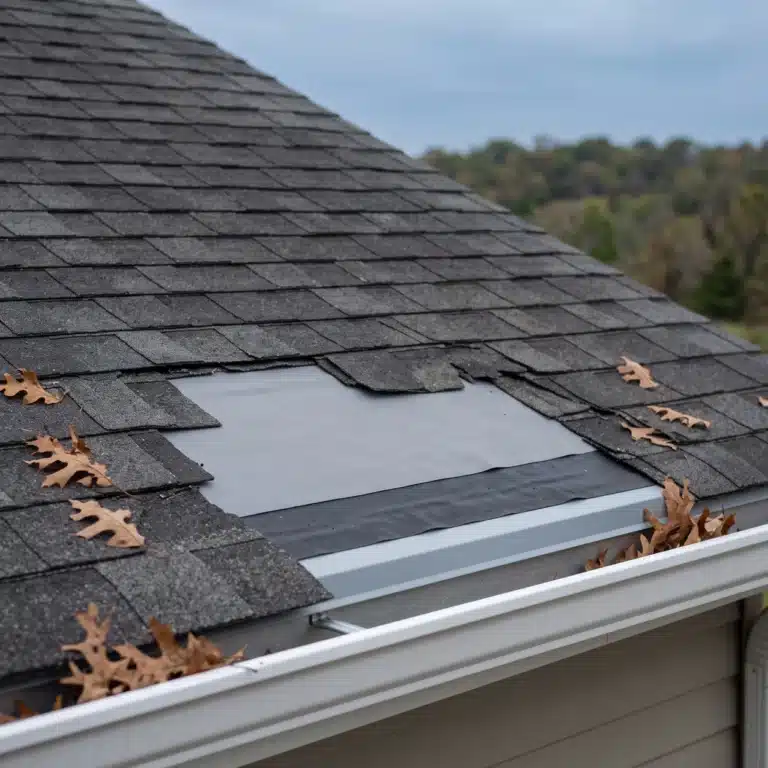
Stay off the roof. A wet, storm-damaged roof can have soft spots, lifted shingles, hidden punctures, or compromised decking that won’t hold weight. The question “should I go on my roof after a storm” almost always has the same answer: no, not until a professional has checked it.
If you see water near electrical panels, outlets, or light fixtures, turn off the breaker for that area at the main panel. Do not flip switches in wet rooms. If a ceiling is sagging or bulging, leave that room and close the door behind you. Outside, watch for downed limbs, debris, and any power lines on the ground or hanging low.
| Condition | Action |
|---|---|
| Roof is wet from rain | Stay off. Wait for a professional inspection |
| Visible structural damage (sagging, holes, missing sections) | Stay off. Call for emergency assessment |
| Storm still nearby or thunder still audible | Stay inside entirely |
| Power lines down or near the roof | Stay clear and call the utility company |
| Tree limb on the roof | Do not attempt to remove. Document and call a professional |
| Roof appears dry and intact from the ground | Still no ladder. Use binoculars or zoom on your phone |
Pro Tip: Check the attic before going outside. Wet insulation or daylight coming through the decking tells you everything you need to know without ladder risk.
Assess the Damage From the Ground and From Inside
You can build a solid picture of the damage without setting foot on the roof. The ground-level walk and the attic check together cover most of what an initial inspection needs.
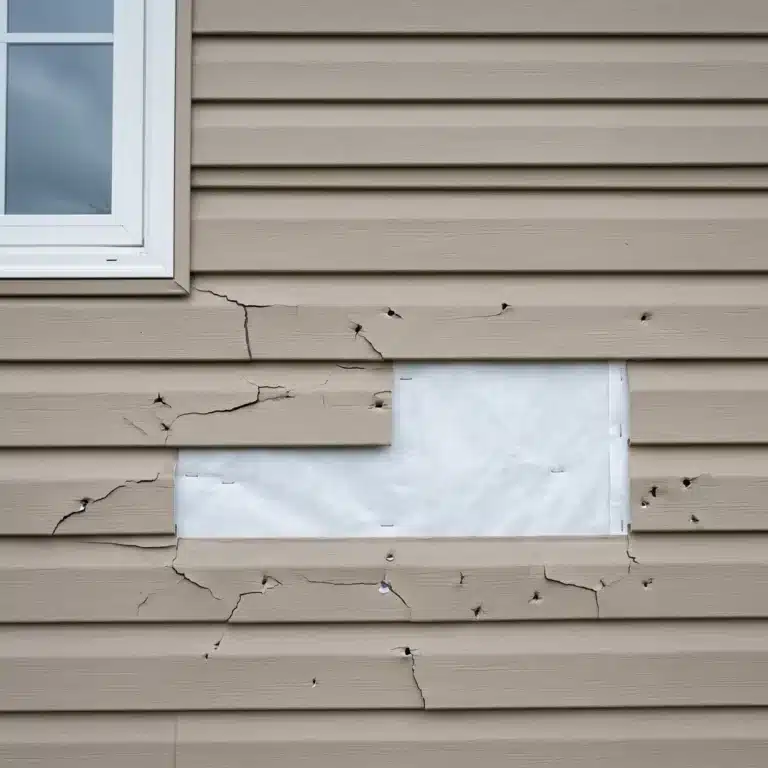
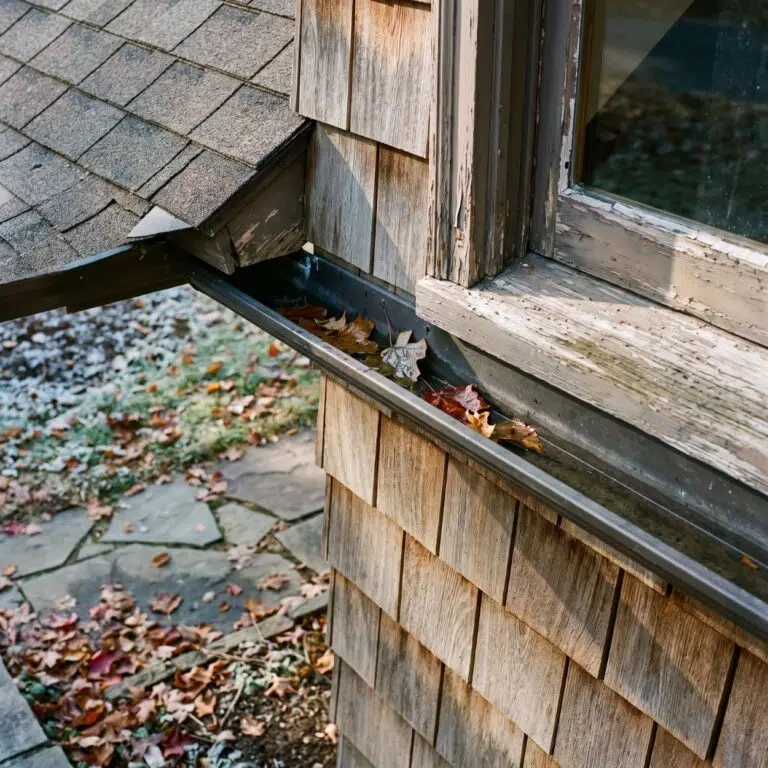
Outside, walk the perimeter. Look for missing shingles on the ground, granule buildup at the base of your downspouts, dented vents or gutters, damaged fascia boards, and any debris that hit the house. Photograph everything you see. The granule loss is especially important. In a hail event, granules wash out of shingles and collect in gutters and at downspout outlets. That’s often invisible from the ground looking up, but it’s the primary thing insurance adjusters look for, and our existing post on what insurance adjusters look for on your roof covers their full checklist.
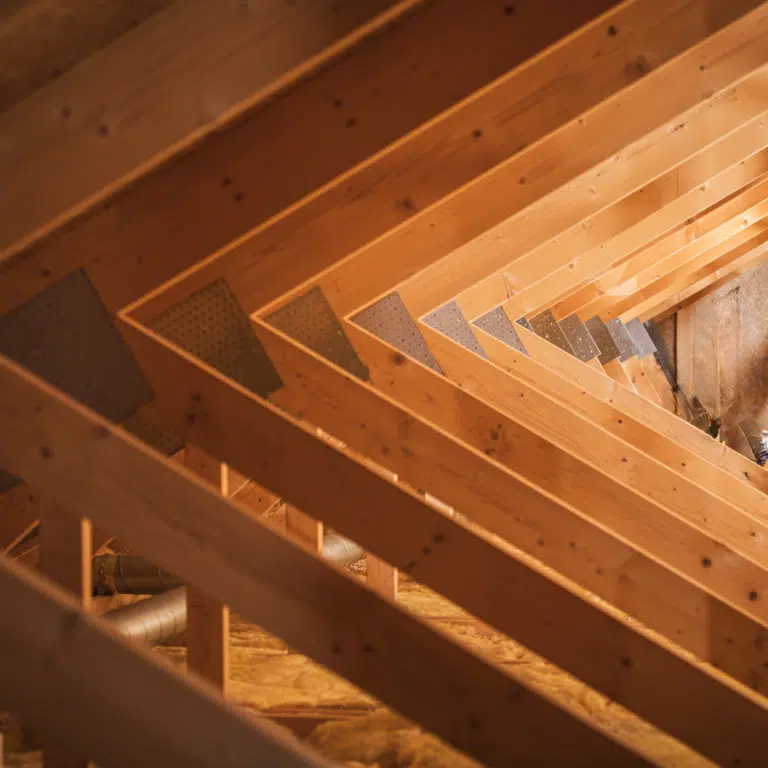
Inside, head to the attic with a flashlight. Look for wet rafters, dark staining on the underside of the decking, daylight visible through boards, or wet insulation. Any of those means water got in and you need a professional inspection promptly.
If a ceiling downstairs is bulging from trapped water, poke a small relief hole with a screwdriver or pencil. A controlled drain through a small hole is much better than letting a saturated ceiling collapse onto your floor.
| What You See | What It Might Mean |
|---|---|
| Missing or curled shingles | Wind uplift or hail impact, needs full inspection |
| Granule buildup in gutters or downspouts | Hail or wind exposed shingle mats, common claimable damage |
| Dented gutters, vents, or AC fins | Hail impact size and density, important calibration evidence |
| Daylight visible through attic decking | Active opening, emergency situation |
| Water staining on ceiling | Active or recent leak, document immediately |
| Soft or sagging ceiling | Trapped water, drain with a small relief hole |
| Tree limb on the roof | Possible puncture or compression damage, do not move it yet |
| Cracked or split fascia/soffit | Wind or impact damage, often goes with roof damage |
Pro Tip: Timestamp every photo and video the moment you take it. The date and time on your documentation matters when you file an insurance claim.
Protect the Inside of Your Home
While you’re arranging professional help, focus on keeping interior damage from getting worse. The first 24 to 48 hours of standing moisture is enough to start a mold problem, especially in SW Missouri’s summer humidity.
Move valuables, electronics, and furniture out from under active drips or wet ceiling areas. Place buckets, large bowls, or storage totes under every drip you can find. If you have fans or a dehumidifier, run them to dry the air and reduce moisture buildup. Cover anything you can’t move with plastic sheeting or even garbage bags.
If a light fixture is dripping water, kill the breaker to that room at the main panel. Water moving through electrical wiring is one of the most serious hidden hazards after a storm.
A temporary roof tarp is often the right next step for any active opening or hole, especially if more rain is in the forecast. Our emergency roof repair service covers tarping and same-day or next-day response when conditions allow. For more on what to do in those first hours, the emergency roof repair, what to do guide walks through it step by step.
Pro Tip: If a light fixture is dripping, turn off the breaker to that room. Don’t flip the switch. Water and live wiring are a serious hazard.
Call a Local Roofer Before You Call Your Insurance Company
This order matters more than most homeowners realize. A professional inspection with a written damage report, completed before the insurance claim is filed, gives you a documented scope the adjuster has to address. The adjuster works for the insurance company, not for you. Your own documentation levels the field.
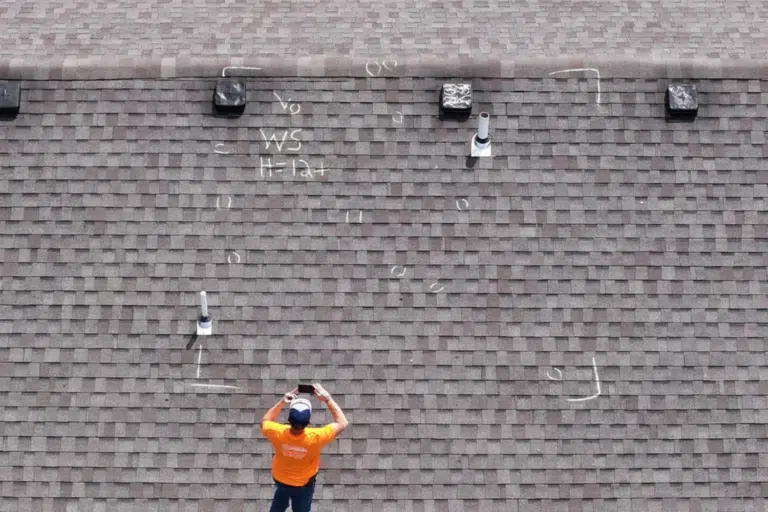
When you call us for a free roof inspection, our team walks the roof, documents every damage point, and produces a written scope that you can submit alongside the claim. We also meet your adjuster on site at no extra charge so the inspection conversation includes someone who is reading the roof for you, not the carrier.
Two notes about the days immediately after a major storm in Springfield, Nixa, Ozark, Republic, or Willard. First, calling early puts you in the repair queue ahead of the backlog. Demand spikes for the first two to three weeks after a regional storm event, and the homeowners who called on day one get scheduled first. Second, expect door-knockers and out-of-town storm chasers in your neighborhood within hours. Be skeptical of anyone showing up uninvited offering same-day “free inspections” or pressure to sign anything immediately.
| Factor | Local Roofer | Storm Chaser |
|---|---|---|
| How long in business in your area | Years to decades, verifiable | Often appears after storms and leaves |
| Warranty support after the job | Available locally for years | Hard to reach once they leave town |
| Insurance claim experience | Knows local carriers and adjusters | Generic claims pitch, often inflated |
| Pressure tactics | Lets you call them back | Pressure to sign on first visit |
| Physical address you can drive to | Yes | Often a P.O. box or out-of-state HQ |
Pro Tip: Write down the storm date, time, and storm name or type right now. Your insurance company will ask for it, and you’ll want it documented before you forget.
File Your Insurance Claim Promptly
Once the safety, documentation, and professional inspection are handled, the claim is the next step. File within your policy’s claim window. Missing a deadline can result in automatic denial regardless of how legitimate the damage is.
Call your insurance company, report the loss, and get two things in writing: a claim number and the name of your assigned adjuster. Note the National Weather Service Springfield office tracks regional storm events, and adjusters often pull verification from that source to confirm the storm date and severity. Having the storm details written down before you call makes the conversation faster.
Ask one specific question directly: “Do I have RCV (replacement cost value) or ACV (actual cash value) coverage on my roof?” Get the answer in writing or in a follow-up email. RCV pays to replace your roof at today’s prices minus deductible, in two checks. ACV pays only the depreciated value of the roof, in a single check. The difference can be thousands of dollars. Our ACV vs RCV, what your insurance actually covers post breaks this down in full.
The Missouri Department of Commerce and Insurance publishes consumer guidance on coverage rights and offers a helpline at 800-726-7390 if you have policy questions or concerns about how a claim is being handled.
| Item | Why It Matters |
|---|---|
| Storm date and time | Carrier confirms the loss against verified storm records |
| Policy number | Required to open the claim file |
| Claim number (after filing) | Reference for every future call |
| Adjuster name and contact info | Direct line for scheduling the inspection |
| Photos and video from your walk | Initial documentation while the damage is fresh |
| Roofer’s written inspection report | Independent scope the adjuster must address |
| List of interior damage points | Connects exterior damage to interior impact |
| Receipts for any emergency tarping or temporary repairs | Reimbursable under most policies |
For broader storm damage repair and claim coordination, we handle the full sequence from emergency response through final permit and replacement.
Pro Tip: Ask your insurer directly: “Do I have RCV or ACV coverage on my roof?” Get the answer in writing or in a follow-up email. It will determine how much of your repair gets paid.
Frequently Asked Questions
Q1: Is it safe to stay in the house if my roof is damaged?
Usually yes, if the damage is limited to shingles, gutters, or a small leak you can contain with buckets. Leave any room with a sagging or bulging ceiling, and stay away from any area where water is near electrical fixtures or outlets. If the damage involves a tree through the roof, structural displacement, or active major water intrusion, find another place to stay until the home is assessed.
Q2: Should I go on my roof to check the damage myself?
No. A wet, storm-damaged roof is unsafe even for experienced workers. Hidden punctures, soft decking, and lifted shingles can give way under weight. Falls from roofs are one of the most common storm-related homeowner injuries. Use binoculars, zoom on your phone, and an attic check from inside. A professional inspection will cover what you can’t see from the ground.
Q3: How soon should I call a roofer after a storm?
The same day if possible, or the next morning. Calling early puts you in the repair queue before the post-storm backlog builds. A professional inspection in the first 24 to 72 hours produces the strongest documentation for an insurance claim and gives you a tarp window if one is needed before more rain.
Q4: What if the damage seems minor, do I still need an inspection?
Yes. Most storm damage is invisible from the ground. Granule loss, mat bruising, and seal-strip failure all happen without obvious surface signs and can cause leaks weeks or months after the storm. A free inspection costs you nothing and creates documentation in case damage appears later, which protects your claim window.
Q5: Will my homeowners insurance cover storm damage?
Most standard Missouri policies cover wind and hail damage under the wind/hail peril. Coverage depends on your specific policy, the type of damage, and your deductible. Pre-existing wear and tear is generally not covered, only damage from a covered storm event. Get a professional inspection and check your declarations page before assuming the answer either way.
Q6: What if I can’t get a roofer right away?
Focus on protecting the inside of the home. Put buckets under drips, move valuables, run fans or a dehumidifier, and cover anything you can’t move with plastic sheeting. Document everything with timestamped photos. If a roofer can’t get to you within 24 to 48 hours for emergency tarping, ask your insurance company about their preferred emergency mitigation contractors.
Q7: What should I do if my ceiling is bulging from water?
Poke a small relief hole through the bulge with a screwdriver or pencil and place a bucket directly underneath. A controlled drain through a small hole is far better than letting the ceiling collapse. Leave the room afterward and keep family members out until the area dries.
Q8: What do I do if a contractor knocks on my door after the storm?
Do not sign anything. Take their card, write down their company name and license plate if you can see it, and tell them you will call them back if you decide to follow up. Reputable local roofers do not need to canvas neighborhoods for business. Storm chasers often pressure homeowners into signing same-day contracts before insurance claims are even filed, which can complicate the claim and the work.
Teague Roofing Plus offers free inspections across Springfield and SW Missouri, including Nixa, Ozark, Republic, and Willard. If your roof took damage in the storm, call 417-883-7663 or contact us to get on the schedule. We document everything, walk through the process with you, and meet your adjuster on site at no extra charge.
Teague Roofing Plus | Roofing, Siding, Windows, Gutters, and More. Serving Southwest Missouri Since 1971.