
Every year, roofing demand in Southwest Missouri follows the same curve. Late summer is quiet, then fall arrives and everyone calls at once. If your roof needs attention, where you land on that curve determines your options, your timeline, and how much margin you have before winter. This guide explains the seasonal pattern and how to plan around it.
TLDR: Roofing demand climbs sharply from early fall through the first freeze as homeowners rush to finish work before winter. Booking in late summer means shorter lead times, better repair weather, and room to handle surprises. Waiting compresses every part of the process, and the work still has to happen, just under worse conditions.
There is a moment in early September, usually the first genuinely cool morning, when homeowners across Greene and Christian counties look up at their roofs for the first time since spring. The phone starts ringing that week, and it does not stop until the ground freezes.
That surge is entirely predictable, and it is the reason a homeowner who calls in August has a fundamentally different experience than one who calls in October. Same roof, same work, completely different timeline and constraints.
Our team has watched this cycle repeat since 1971 across Springfield, Nixa, Ozark, and the surrounding towns. Nobody is trying to create urgency here; the calendar does that on its own. What we can do is explain how the season actually works so you can plan around it rather than get caught in it.
Why Fall Is the Busiest Season for Roofing Contractors
Several forces converge on the same eight week window, and they are independent of each other, which is what makes the surge so pronounced.
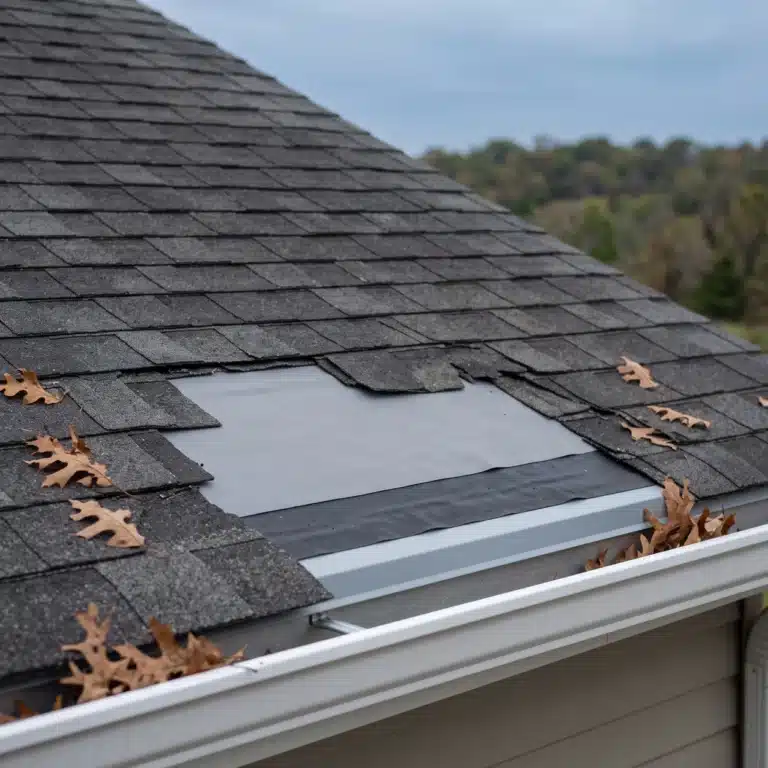
Spring storm damage finally surfaces. Damage from April through June storms often does not leak immediately. The shingles still cover the opening, and it takes months of heat cycling and rain before water finds its way through. That timeline lands the discovery in fall.
Weather creates a deadline. Homeowners know instinctively that roof work should happen before winter, so a soft intention in July becomes an urgent task in September.
Insurance claim timelines mature. Claims filed after spring storms work through inspection, adjustment, and approval over several months. Approved claims frequently reach the scheduling stage in late summer and fall, all at once.
School and routine resume. Household projects postponed through summer vacations come back onto the list in September.
The result is that a contractor’s calendar goes from comfortable to full in a matter of weeks, and every homeowner in that wave is competing for the same finite crew hours.
Pro Tip: The single best scheduling move is to book an inspection before you are certain you need work. An inspection slot is easy to get now and it puts you in the queue with real information.
What Happens When You Wait Too Long
Delay does not usually cause disaster. It removes options. The table below lays out what actually changes.
| What changes | Booking in late summer | Waiting until late fall |
|---|---|---|
| Lead time | Days to a couple of weeks | Weeks, sometimes longer |
| Working conditions | Warm and dry, ideal for adhesives | Cold, wet, shorter daylight |
| Room for surprises | Time to handle decking issues found mid job | Little slack before weather closes in |
| Scope of damage | Contained at what the inspection found | Often grown since the problem started |
The takeaway is that the work itself does not get easier by waiting, and the conditions it happens under get worse. Materials behave better in warm weather, particularly shingle sealant strips that need heat to bond.
Important: If a job uncovers damaged decking once the old roof comes off, that adds time. In August that is an inconvenience. In late November it can push the project past a weather window entirely.
Understanding Scheduling and Permit Timelines
Two separate clocks run on any roofing project, and homeowners usually only think about one.
The first is crew availability, which is what most people mean by scheduling. The second is permitting. Permits are typically required for reroofs, tear offs, structural changes, and material type changes, and processing time varies by jurisdiction and by how busy the office is at that moment. That second factor matters, because permit offices experience the same fall surge contractors do.
Requirements and timelines differ between the City of Springfield and the surrounding county and municipal jurisdictions, and they change over time. Verify current requirements with your local building department rather than relying on general information. We are roofers, not code officials.
What we can state plainly is operational: Teague Roofing Plus handles the permits on every job. Homeowners do not navigate that process themselves.
| Project stage | Typical driver of timing |
|---|---|
| Inspection | Contractor availability, quickest to schedule |
| Estimate and scope | Complexity, and any insurance coordination |
| Permit | Local jurisdiction processing, varies seasonally |
| Crew scheduling | Demand curve, tightest in fall |
| The work itself | Usually one to three days residential |
The takeaway is that the work is the short part. Everything preceding it is where the fall rush costs you time.
Repair, Replace, or Inspect: What Stage Are You At?
Different situations warrant different urgency. The table below sorts the common ones.
| Your situation | Recommended action | Timing priority |
|---|---|---|
| Active leak | Emergency repair | Immediate |
| Known storm damage, unrepaired | Inspection then repair | High, before freeze |
| Roof over twenty years, no known issues | Inspection and planning | Moderate, book now |
| Recent roof, no known issues | Routine annual inspection | Low, but easy to do now |
The takeaway is that only the first row is an emergency, and most homeowners are in rows two and three, where acting now costs nothing and waiting costs options. If you are in the first row, our guidance on emergency roof repair in Springfield covers immediate steps.
For rows two and three, the useful next step is understanding what your roof actually needs, which is what an inspection provides. Our roof repair services across Southwest Missouri handle targeted work, while a full roof replacement applies when wear is system wide.
Illustrative scenario: A homeowner in Republic had a nineteen year old roof with no known problems and booked an August inspection out of caution. Our inspector found heat aging and two areas of prior storm damage that had never been documented. With months of margin, they were able to plan a replacement on their own timeline rather than reacting to a winter leak.
Insurance Claims and Timing Considerations
If your roof work involves an insurance claim, the timeline extends and the fall crunch gets worse, because the claim process and the scheduling process run in sequence rather than in parallel.
A claim typically involves filing, an adjuster inspection, a scope determination, approval, and then scheduling the work. Each step takes time, and each is subject to the same seasonal volume everyone else faces. A claim started in August has room. A claim started in October is racing the weather.
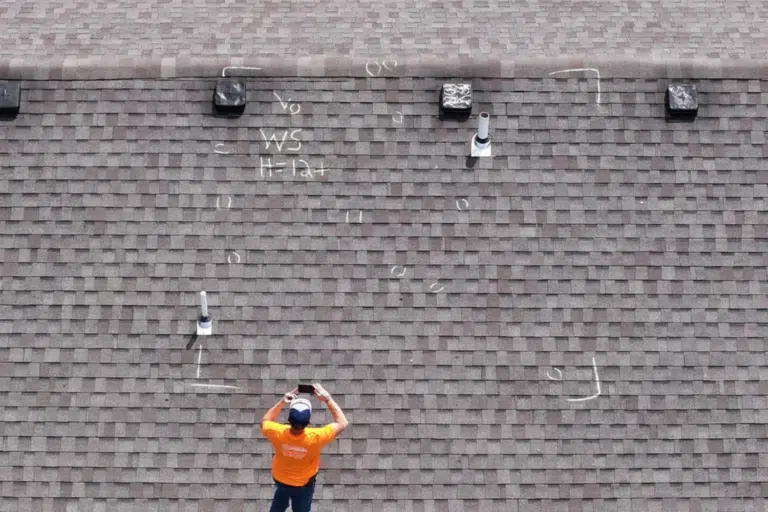
There is a second timing issue specific to claims. Documentation is strongest when the connection between the storm and the damage is clear. As months pass and additional weather rolls through, that connection gets harder to establish cleanly. Photographing and documenting damage early protects the claim.
Teague Roofing Plus documents the damage, meets with your adjuster on site, and makes sure nothing gets missed, at no charge to you. We do not promise claim outcomes, because no honest contractor can, and we never absorb or waive deductibles. You can read more about our insurance claim assistance in Southwest Missouri.
Pro Tip: Start the claim conversation and the scheduling conversation at the same time rather than sequentially. Waiting for full claim approval before contacting a contractor adds weeks at the worst point in the season.
Material Lead Times: Asphalt, Metal, and Commercial Systems
Material availability is the variable homeowners least expect and it can dominate a timeline. Standard architectural shingles in common colors are generally readily available. Specialty items are a different story.
| Material category | Typical availability | Planning note |
|---|---|---|
| Architectural shingles, common colors | Readily available | Rarely the constraint |
| Architectural shingles, specialty colors | Longer, varies | Confirm before committing to a color |
| Metal roofing systems | Longer, often fabricated to order | Plan meaningfully further ahead |
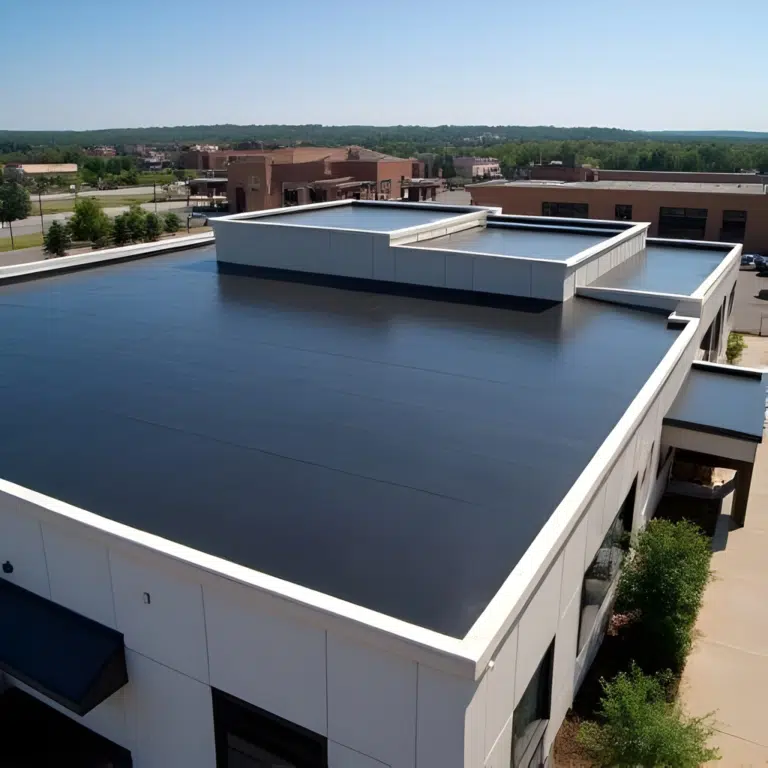
| Commercial membrane systems | Varies by system and size | Coordinate early on larger buildings |
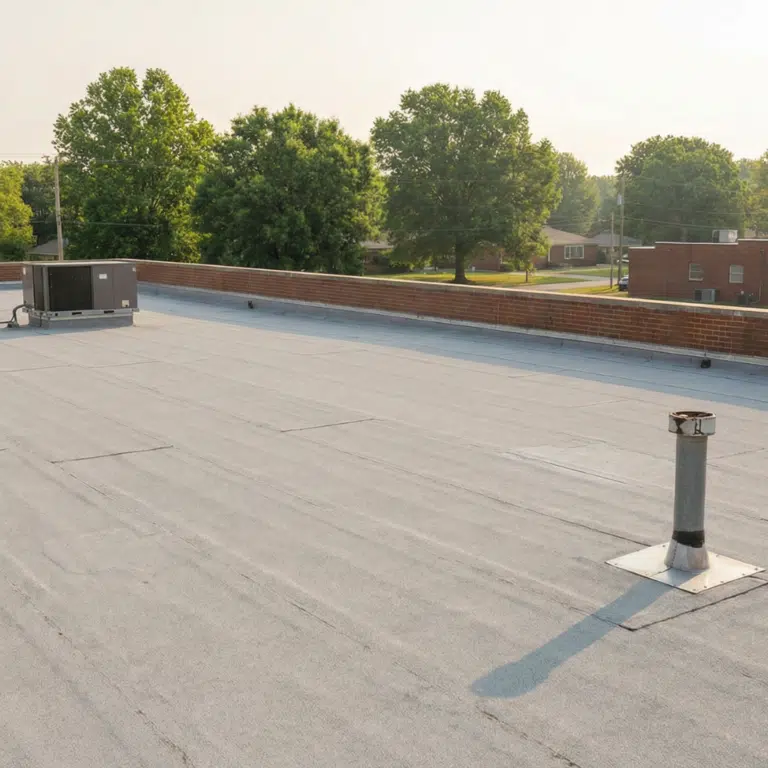
Asphalt shingles are produced to industry product and test standards maintained by the Asphalt Roofing Manufacturers Association, and reflective options are worth understanding too, since ENERGY STAR explains that a cool roof both reflects sunlight and releases absorbed heat rather than storing it. The takeaway is that if you are considering metal or a specialty color, the decision needs to happen earlier than for a standard shingle replacement. Our comparison of metal roofing versus asphalt shingles covers the trade offs, and if the choice comes down to appearance, our guide on choosing roof color and shingle style helps.
Important: Color selection is a common source of delay, not because of availability alone but because homeowners take time deciding. Start looking at colors before you need to choose.
How Our Team Handles Scheduling and Permits
A few things about how the process works on our end, since knowing them helps you plan.
Inspections are free and generally the easiest thing to schedule, even during busy stretches. We keep inspection capacity separate from production crews specifically so that homeowners can get information quickly regardless of how full the build calendar is.
Permits are handled by our team on every job. We manage the submission and the process with the relevant jurisdiction, which matters because requirements differ across the communities we serve.
Estimates come with documentation. You receive photos of what was found and a written scope, and those are yours whether or not you hire us.
Emergency situations are handled separately from the standard queue. An active leak does not wait behind planned replacements.
Teague Roofing Plus has operated in this market since 1971, with local crews rather than out of state contractors who follow storms. That matters most when a question comes up months after a job, which our comparison of storm chasers versus local roofers addresses directly. You can also read more about our company and team.
What to Expect From a Free Inspection
An inspection is the entry point to everything else, so it is worth knowing what a thorough one includes.
| Inspection element | What is assessed |
|---|---|
| All roof slopes | Granule loss, curling, cracking, lifted or missing shingles |
| Flashing and penetrations | Valleys, vents, and roof to wall connections |
| Gutters and drainage | Damage, attachment, and function |
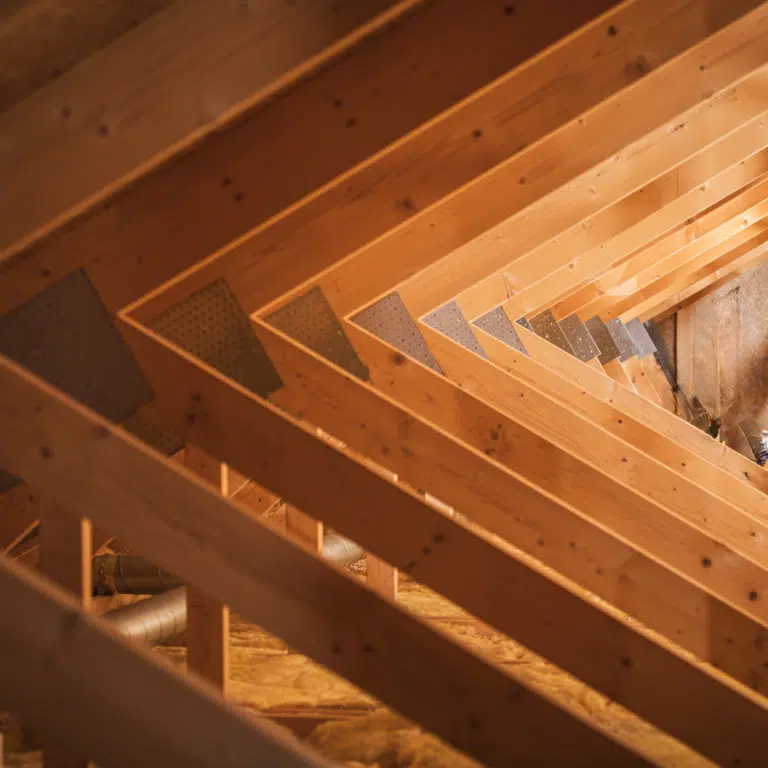
| Attic interior | Ventilation, moisture, daylight, insulation |
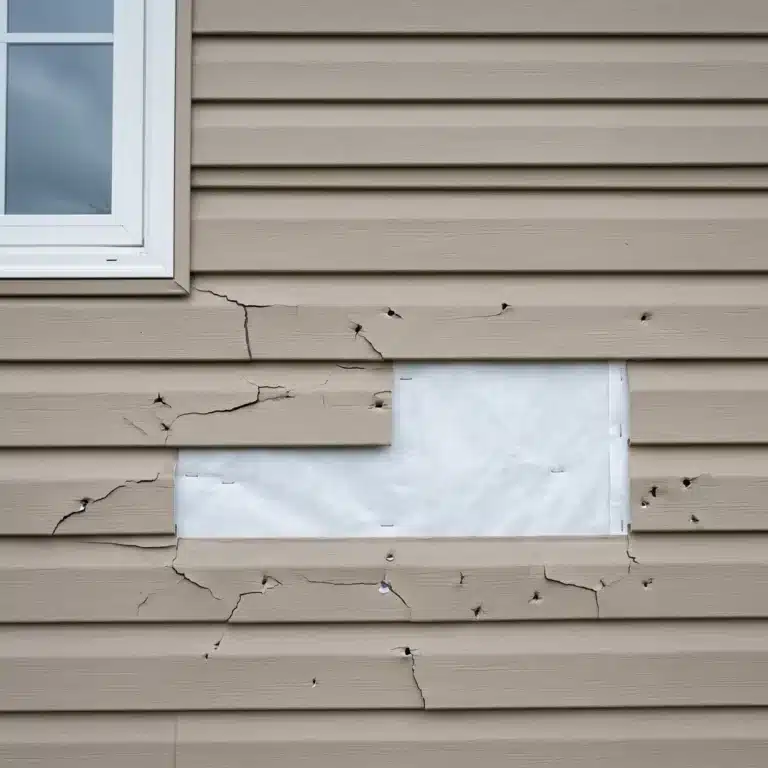
| Exterior envelope | Siding, trim, and windows for storm damage |
The takeaway is that a complete inspection covers the full exterior system rather than the roof alone, because storm damage rarely confines itself to one component. You should receive photo documentation and a plain language explanation, with no obligation attached. Our free roof inspection service covers the communities throughout our region.
Pro Tip: Keep every inspection report you receive. A dated record of your roof’s condition before a storm is genuinely valuable evidence if you later file a claim.
Southwest Missouri Weather Timeline: Late Summer Into Winter
Understanding the seasonal pattern makes the scheduling logic concrete.
| Period | Typical conditions | Roofing implication |
|---|---|---|
| Late summer | Heat, scattered strong storms | Ideal work window, open schedules |
| Early fall | Cooling, continued storm potential | Demand surges, lead times grow |
| Late fall | Cold, wet, shorter days | Weather windows narrow considerably |
| Winter | Freeze and thaw, ice storms | Emergency work only for most projects |
The takeaway is that the usable window for planned work is shorter than most homeowners assume. Southwest Missouri sees significant hail, wind, and ice, and more tornado activity than any other region in the state, with peak severe weather from April through June. NOAA recorded 120 separate billion dollar weather and climate disasters affecting Missouri between 1980 and 2024, the majority severe storms. You can monitor current conditions through the National Weather Service office in Springfield.
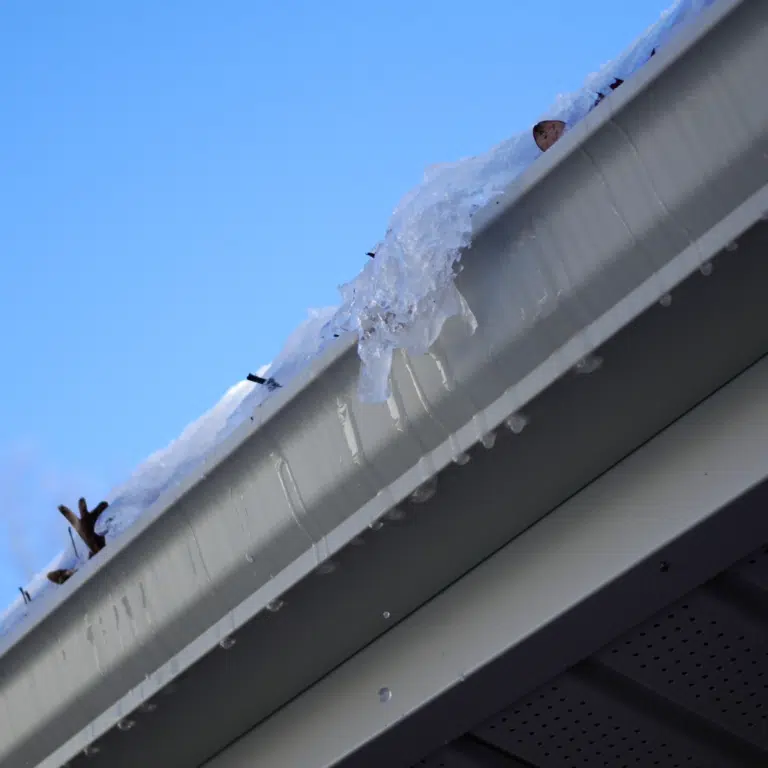
Winter preparation also depends on attic performance. ENERGY STAR notes that natural airflow in a well vented attic moves super heated air out in summer, protecting shingles and removing moisture, while winter airflow keeps the attic cold and reduces ice damming. Ventilation is worth assessing during the same visit as the roof. The Insurance Institute for Business and Home Safety also recommends clearing debris from gutters and downspouts so water flows away from the home, which reduces the risk of ice dams and leaks once cold weather arrives.
We serve Springfield, Nixa, Ozark, Republic, Willard, Battlefield, Strafford, Fair Grove, Rogersville, Ash Grove, Branson, Forsyth, Hollister, Marshfield, and Aurora. You can see the full coverage map on our service area page for Southwest Missouri, and book directly for roof replacement in Nixa or roof replacement in Ozark.
Building Your Fall Roofing Action Plan
Here is a practical sequence that works regardless of which situation you are in.
- Book a free inspection now, before deciding whether you need work.
- Do your own ground level check first so you can point out anything you noticed.
- Review the inspection photos and documentation, and ask questions until it is clear.
- If insurance is involved, start that conversation in parallel rather than after.
- Decide on material and color early, especially for metal or specialty options.
- Get on the production schedule once scope is settled, even if the date is out.
- Keep all documentation filed for warranty and future claim purposes.
- Set a recurring annual inspection so you are never reacting again.
The common mistake in this sequence is treating step six as something that happens after everything else is perfectly resolved. Scheduling can proceed while details finalize, and in a busy season that ordering saves weeks.
Pro Tip: If you are weighing multiple contractors, get on a schedule with your preferred one while you finish evaluating. Slots can generally be released; weeks of lead time cannot be recovered.
Frequently Asked Questions
How far in advance should I book a roofer in Southwest Missouri?
For planned work heading into fall, several weeks of lead time is realistic, and more during the peak rush. Booking in late summer typically means days to a couple of weeks instead. Emergency repairs are handled separately and do not wait behind planned projects.
Is it too late in the year to replace a roof?
In late summer, no, this is close to the ideal window. Roof replacement remains possible well into fall, though cold and wet conditions increasingly limit workable days and shingle sealant strips bond better in warm weather. The practical constraint is usually the first sustained freeze.
Why do roofing companies get so busy in the fall?
Several factors land in the same window: spring storm damage finally leaking, homeowners racing winter, insurance claims from spring reaching the scheduling stage, and household projects resuming after summer. None depend on the others, which is why the surge is so sharp.
Does my insurance claim need to be approved before I schedule?
No, and waiting for approval before contacting a contractor usually costs weeks at the worst time of year. Getting the inspection and documentation done early strengthens the claim, and the two processes can run in parallel. Approval is required before work begins, not before scheduling conversations start.
How long does a roof replacement actually take?
Most residential replacements finish in one to three days depending on size, complexity, and weather. The lead time to get scheduled is usually longer than the work itself, especially in fall. Larger or commercial projects run longer and need earlier coordination.
Do I need a permit for a new roof in Springfield?
Permits are commonly required for reroofs, tear offs, structural changes, and material type changes, but requirements and processing times vary by jurisdiction and change over time. Confirm current requirements with your local building department. Our team handles permits on every job, so homeowners do not manage that process themselves.
What if you find more damage once work starts?
It happens, most often with decking that was not visible until the old roof came off. You are informed before any additional work proceeds, with documentation of what was found. This is exactly why scheduling with time margin matters, since discoveries mid project need somewhere to go on the calendar.
Are inspections really free with no obligation?
Yes. Inspections and estimates cost nothing and carry no obligation, and the photo documentation is yours regardless of what you decide. Any company pressuring you to sign during an inspection is telling you something about how they operate.
What should I do while waiting for my scheduled date?
Keep gutters clear, watch for new interior signs like ceiling stains or damp attic areas, and photograph any change. If a storm passes through before your date, do a ground level check and let your contractor know what you found. For active leaks, call immediately rather than waiting.
Can I get an inspection even if I am not planning any work?
Absolutely, and it is one of the better habits a homeowner can build. An annual inspection creates a dated record of your roof’s condition, catches wear early, and means you are never making decisions under pressure. Most inspections find nothing urgent, which is useful information in itself.
Key Takeaways
- The fall surge is predictable: Multiple independent factors converge on the same eight week window.
- Spring storm damage finally surfaces in fall.
- Insurance claims from spring reach scheduling at the same time.
- Waiting costs options, not just time: The work does not get easier, and conditions get worse.
- Warm weather produces better adhesive bonding.
- Late season jobs have no slack for mid project discoveries.
- Two clocks run on every project: Crew availability and permitting are separate constraints.
- Permit offices see the same seasonal surge contractors do.
- Our team handles permits on every job.
- Material choice affects timing: Standard shingles are readily available; metal and specialty colors are not.
- Decide on material and color earlier than feels necessary.
- Color indecision is a common self inflicted delay.
- Run processes in parallel: Insurance and scheduling should overlap, not queue.
- Approval is needed before work, not before scheduling.
- Early documentation strengthens the claim.
- Inspections are the entry point: Free, quick to schedule, and useful even when nothing is wrong.
- You receive documentation you keep regardless.
- An annual habit means never deciding under pressure.
Get on the Schedule While the Window Is Open
Right now, in late summer, you have something you will not have in six weeks: choices. Open inspection slots, reasonable lead times, good working weather, and enough margin to handle whatever an inspection turns up without racing a freeze.
Teague Roofing Plus has served Southwest Missouri homeowners and businesses since 1971, with local crews, local accountability, and a team that is still here when questions come up years later. We are an Owens Corning Platinum Preferred Contractor, BBB A+ rated since December 2019, and a Nextdoor Neighborhood Favorite in both 2022 and 2024. Getting started includes:
- A free, no obligation inspection of your full exterior
- Photo documentation and a plain language explanation, yours to keep
- Honest guidance, including when the answer is that nothing needs doing
- Insurance claim documentation and on site adjuster meetings at no charge
- Permits handled by our team on every job
- Architectural shingle, metal, and commercial system options
Call Teague Roofing Plus at 417-883-7663 or reach our team through the contact page to get on the schedule before the fall rush begins.
Teague Roofing Plus, Roofing, Siding, Windows, Gutters, and More. Serving Southwest Missouri Since 1971.