
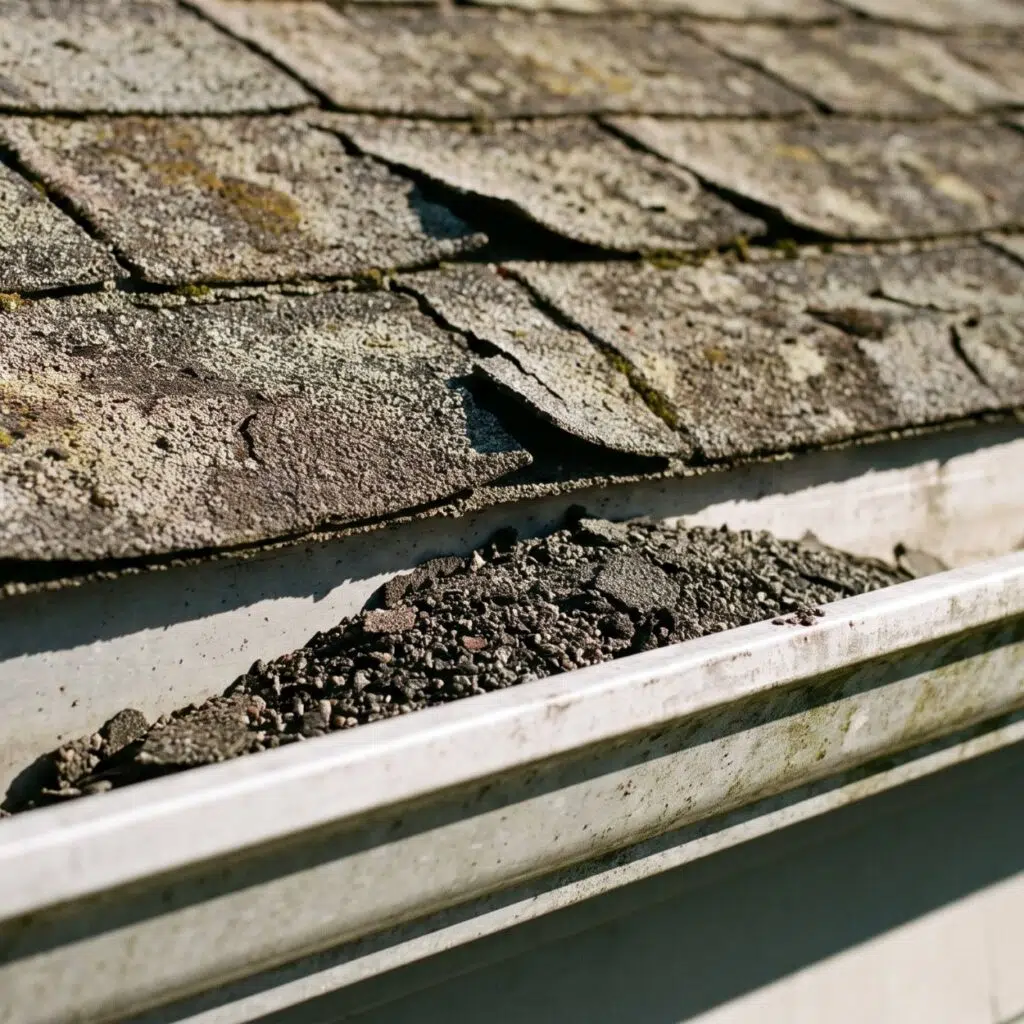
By late summer, many Springfield homeowners notice granules collecting in their gutters or a roof that simply looks tired from the street. Months of intense heat and sun quietly age asphalt shingles, and it can be hard to tell normal wear from a real warning sign. This guide explains how summer heat wears down your roof, what to watch for, and the smart steps to take before fall.
TLDR: Summer heat speeds up shingle aging by drying out the asphalt and loosening the granules that shield your roof from the sun. Granule loss, curling edges, and brittle shingles are the signs to watch. Good attic ventilation slows this damage, and a late summer inspection catches small problems before winter turns them into leaks.
You walk out to your car on a hot August morning, glance up, and something about the roof looks off. Maybe the shingles look faded, or you spot a small pile of dark, sandy grit washed to the bottom of a downspout. You are not imagining it, and you are not alone. This is the season when heat damage starts to show.
Here in Southwest Missouri, our roofs take a beating from both ends of the calendar. Spring brings hail and wind, and then summer brings long stretches of direct sun and high heat that bake the shingles day after day. That heat does its work slowly, so most homeowners never notice until the roof already looks worn.
The good news is that summer heat roof damage is easy to spot once you know the signs, and most of it is manageable if you act before cold weather arrives. Our team has walked countless roofs across Greene and Christian counties, and the pattern is almost always the same: small heat wear that was ignored in August becomes a leak in January. Let us break down what is actually happening up there.
What Happens to Shingles in Extreme Heat
Asphalt shingles are built to handle sun, but constant high heat still ages them faster. The asphalt layer in each shingle acts like a waterproof glue, and the mineral granules on top protect that asphalt from the sun. According to the Asphalt Roofing Manufacturers Association, those granules shield the asphalt from the damaging effects of ultraviolet light, moisture, and heat.
When a roof sits in direct sun for months, three things happen. First, the asphalt slowly dries out and loses the oils that keep it flexible. Second, the granules loosen and wash away, which exposes more asphalt to the sun. Third, the shingles expand in the day and contract at night, over and over, until the edges start to curl or crack. Each of these effects chips away at the roof lifespan you paid for.
Pro Tip: A handful of granules in your gutters after a storm is normal for a newer roof. A steady buildup on an older roof, season after season, points to real wear that is worth a closer look.
What Are the Signs of Heat Damage on a Roof?
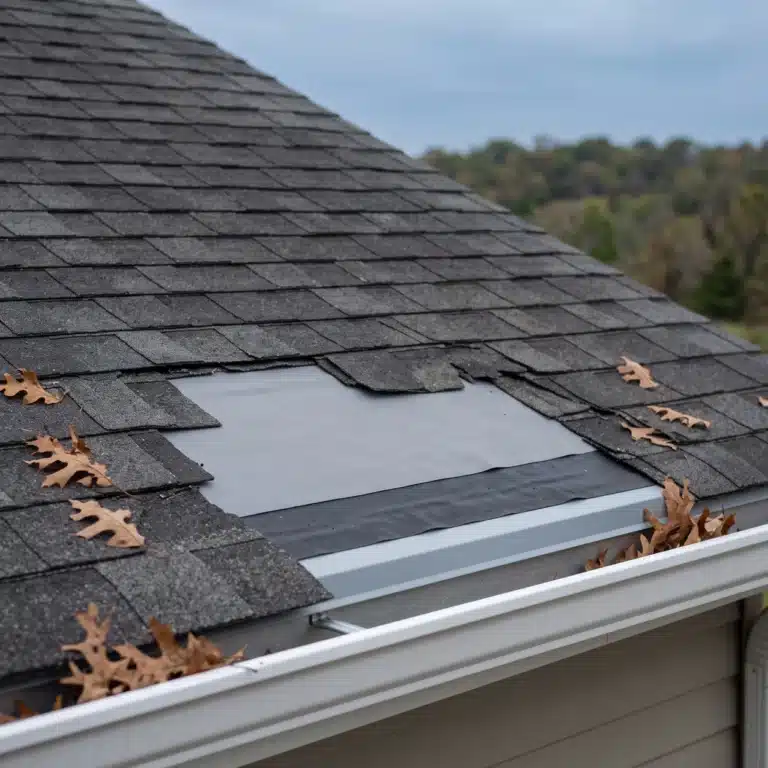
The clearest signs of heat wear are granule loss, curling or cupping shingle edges, and shingles that feel brittle or crack when touched. The tricky part is telling heat damage apart from the normal aging every roof goes through. The table below sorts the two so you know when to relax and when to call for a look.
| What you see | Likely heat damage | Likely normal aging |
|---|---|---|
| Granules in gutters | Heavy, steady buildup on an older roof | Light amount on a roof under 5 years old |
| Shingle edges | Curling, cupping, or lifting | Flat and sealed down |
| Shingle surface | Bald spots where granules are gone | Slight, even fading in color |
| Feel and flex | Brittle, cracks when pressed | Firm but still slightly flexible |
If your roof matches the left column in more than one row, heat has likely aged it beyond its years. A quick, free look from an experienced eye can confirm whether it is cosmetic or a sign the roof is nearing the end of its life.
Why Attic Ventilation Matters More Than You Think in Summer
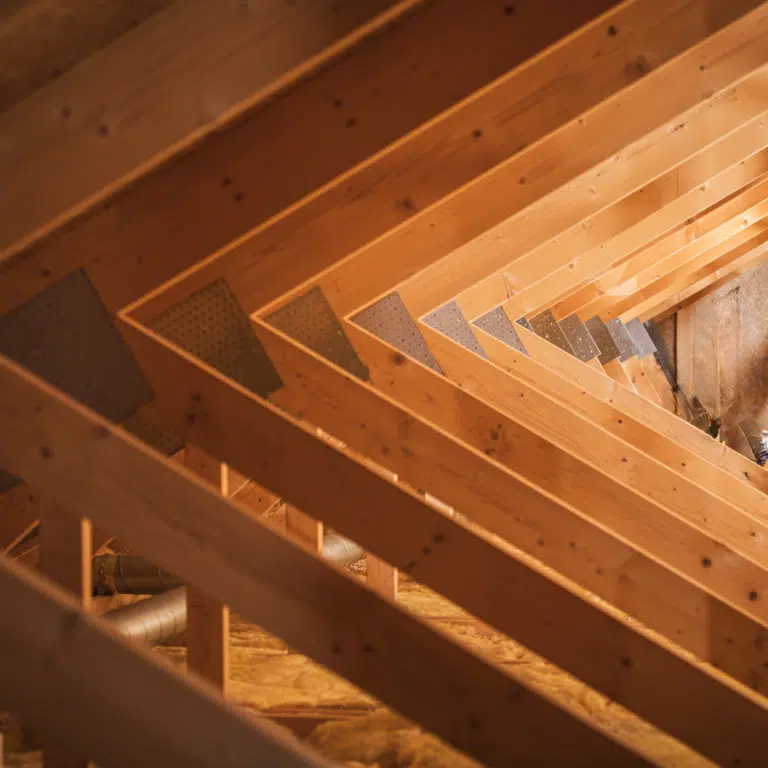
Most homeowners think of ventilation as a winter concern, but it does its hardest work in summer. A poorly vented attic can trap super heated air right under the roof deck, which cooks the shingles from below while the sun bakes them from above. That double dose of heat shortens roof life fast.
Good ventilation lets that hot air escape. Per ENERGY STAR guidance on attic ventilation, natural airflow in a well vented attic moves super heated air out of the space in summer, which protects the roof shingles and removes trapped moisture. The same airflow helps reduce ice dam risk once winter arrives, so it protects your roof in both seasons.
A balanced system pairs intake vents low on the roof with exhaust vents up high. The table below shows the main parts and what each one does when the heat is on.
| Component | Where it sits | What it does in summer |
|---|---|---|
| Soffit vents | Under the eaves, low | Pull cooler outside air into the attic |
| Ridge vent | Along the roof peak, high | Let the hottest air escape at the top |
| Gable vents | On end walls | Add cross airflow in some attic designs |
| Insulation | Attic floor | Blocks attic heat from reaching living space |
The takeaway is simple: shingles on a well vented roof run cooler and last longer. If your upstairs rooms feel like an oven in July, poor attic airflow may be aging your roof at the same time. Our guide to attic ventilation and roof energy efficiency in Springfield walks through this in more detail.
How Impact-Resistant Shingles Handle Heat and Sun
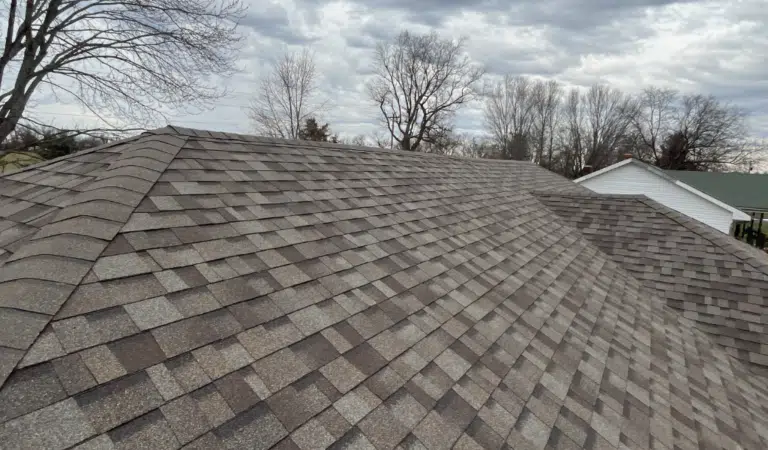
Homeowners often ask whether a tougher shingle stands up to heat better. The honest answer is that quality matters more than any single rating. Impact-resistant architectural shingles, often called Class 4, are built and tested to resist hail impact, and their thicker build also holds up well to years of sun. That said, no shingle beats the heat on its own. Ventilation and proper installation do more for heat life than the shingle class alone.
The table below compares common roofing choices for how they handle Southwest Missouri heat and sun.
| Roofing type | Heat and sun resilience | Best for |
|---|---|---|
| Standard architectural shingles | Good, with proper ventilation | Most homes, balanced performance |
| Impact-resistant (Class 4) shingles | Very good, thicker and tougher | Storm-prone areas wanting extra durability |
| Standing seam metal | Excellent, reflects much of the sun | Homes wanting long life and heat reflection |
The takeaway: all three options work well in our climate when they are installed and ventilated correctly. We install architectural shingles and metal systems, and we help homeowners weigh the trade-offs. If you are comparing options, our breakdown of metal roofing versus asphalt shingles in Springfield is a good next read.
Important: Heat resilience depends far more on ventilation and installation quality than on the shingle brand. A premium shingle on a poorly vented attic will still age early.
When Heat Damage Becomes a Bigger Problem
Not all heat wear is urgent. A little fading or a few loose granules on a mid life roof is usually cosmetic. The concern is when heat wear reaches the point that shingles no longer shed water the way they should. The table below shows the difference between minor wear and a problem worth acting on.
| Situation | Usually minor | Time to act |
|---|---|---|
| Granule loss | Light and even | Bald patches exposing asphalt |
| Curling | A few edges lifting slightly | Widespread curling across a slope |
| Cracks | None visible | Cracks you can see from the ground |
| Age | Under 12 years, wearing evenly | Over 15 years with heavy heat wear |
The takeaway is to watch the pattern, not a single shingle. When heat wear spreads across a whole slope or the roof is well into its second decade, water can start slipping past the shingles into the decking and underlayment below. That is the point where a small fix protects you from a much larger one.
Illustrative scenario: A homeowner in Nixa noticed granules building up all summer and a few curled shingles near the ridge. They scheduled a free inspection in late August. Our inspector found the heat wear was still surface level, recommended sealing a few lifted shingles, and the roof was ready for winter without a full replacement.
Summer Heat and Roof Aging in Southwest Missouri
Roofs in our area face a tough one two punch. Southwest Missouri is one of the more active severe weather regions in the state, with significant hail, wind, and ice, and it sees more tornado activity than any other part of Missouri. NOAA records show that from 1980 to 2024, Missouri was affected by 120 separate billion dollar weather and climate disasters, most of them severe storms. Add long, hot summers on top of that storm exposure, and local roofs age faster than the shingle warranty might suggest.
That is why timing matters here. Spring storms can leave small damage that summer heat then makes worse, so a roof that looked fine in May can show real wear by late August. Homeowners in Springfield, Ozark, Republic, and Willard all deal with the same cycle. Teague Roofing Plus has served this area since 1971, and we handle the permits on every job, so local homeowners do not have to navigate that part alone.
Pro Tip: Late summer is the ideal time to check a roof, because any hidden spring storm damage has had months to reveal itself while there is still time to fix it before winter.
What Homeowners Can Do Before Fall
You do not need to climb on the roof to stay ahead of summer heat roof damage. A few simple habits from the ground will tell you most of what you need to know, and a professional look fills in the rest. Here is a practical plan for the end of summer.
- Check your gutters and downspouts for granule buildup after the next rain.
- Walk your yard and look up at each slope for curling, bald spots, or missing shingles.
- Notice how hot your upstairs rooms feel, which hints at attic ventilation problems.
- Look at the attic for daylight, damp spots, or a stuffy, super hot feel.
- Book a free professional inspection before the fall scheduling rush begins.
Knowing when to handle something yourself and when to call matters. Clearing granules from a downspout is a fine weekend task. Getting on the roof to inspect or seal shingles is not, both for your safety and because trained eyes catch what a quick look misses. Our roof maintenance checklist for Springfield homeowners lays out the seasonal tasks worth doing, and when a spring inspection turns up storm damage, catching it early keeps repairs small.
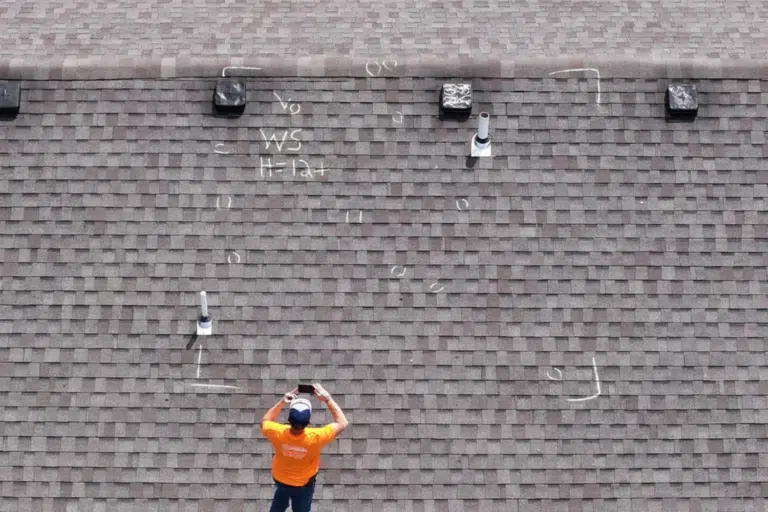
Pro Tip: Take a few photos of your roof each summer from the same spots in the yard. Year over year, those photos make it easy to see how fast the roof is aging.
Frequently Asked Questions
Does summer heat really damage a roof, or is that a myth?
It is real. Constant high heat dries out the asphalt in shingles and loosens the protective granules, which speeds up aging. The damage is gradual, so it often goes unnoticed until the roof looks worn or granules pile up in the gutters. A late summer inspection is the easiest way to see where your roof stands.
How do I know if my roof is too old after years of summer heat?
Look for widespread curling, bald spots where granules are gone, and shingles that crack instead of flex. Age matters too, since most asphalt roofs in our climate show heavy heat wear somewhere past the fifteen year mark. If several of these signs appear across a whole slope, the roof may be near the end of its life. A free inspection can confirm whether repair or replacement makes more sense.
Is granule loss in my gutters something to worry about?
It depends on the amount and the roof age. A light, one time amount, especially on a newer roof, is normal. A steady, heavy buildup season after season means the granules that protect the shingles are wearing away. Once granules are gone, the exposed asphalt ages quickly, so that pattern is worth a professional look.
Can better attic ventilation actually make my roof last longer?
Yes. A well vented attic lets super heated air escape instead of cooking the shingles from below. That keeps the roof cooler and slows heat aging, and the same airflow helps prevent ice dams in winter. Poor ventilation is one of the most common reasons roofs in our area wear out early.
Are impact-resistant shingles better in the heat?
They are built tougher and tend to hold up well to years of sun, but no shingle handles heat on its own. Ventilation and quality installation do more for heat life than the shingle class. Impact-resistant shingles are mainly chosen for their hail resistance, with better sun durability as a bonus.
What is the best time of year to inspect a roof for heat damage?
Late summer into early fall is ideal. By then, any small damage from spring storms has had months to show itself, and there is still time to make repairs before winter. Booking before the fall rush also means shorter waits for an inspection.
Will homeowners insurance cover a roof that wore out from heat?
Insurance generally covers sudden damage from events like storms, not gradual wear from age and heat. That is why catching heat wear early matters, because it keeps a slow problem from turning into a costly one. If a storm did cause damage that heat later worsened, an inspection can help document what happened for your claim.
How much does a roof inspection cost with your team?
Roof inspections are free with Teague Roofing Plus. An experienced inspector checks your shingles, ventilation, flashing, and gutters, then walks you through what they found with no pressure. There is no cost and no obligation, so it is an easy way to see where your roof stands before fall.
Key Takeaways
- Heat ages roofs quietly: Months of sun dry out the asphalt and loosen the granules that protect your shingles, so damage builds up before you notice it.
- Watch for granule buildup in gutters and faded, worn looking slopes.
- The wear is gradual, which is why late summer checks matter.
- Know the warning signs: Granule loss, curling edges, and brittle or cracked shingles are the clearest signals of heat wear.
- A single worn shingle is normal, but a pattern across a slope is not.
- Bald spots exposing asphalt mean the roof is aging fast.
- Ventilation protects your roof: A well vented attic keeps shingles cooler in summer and helps prevent ice dams in winter.
- Balanced soffit and ridge venting does the most good.
- Hot upstairs rooms often signal a ventilation problem.
- Act before fall: Catching heat wear now keeps small fixes small and gets you ahead of the fall scheduling rush.
- Check gutters, slopes, and your attic from the ground.
- Book a free professional inspection to confirm what you find.
Get Your Roof Ready Before the Season Turns
If your roof is looking tired after a long, hot summer, the smartest move is to find out where it stands while there is still time to act. A worn roof only gets more vulnerable once cold weather and winter storms arrive, so late summer is the moment to get ahead of it.
Teague Roofing Plus has protected Southwest Missouri homes since 1971, with local crews who know exactly how our climate wears on a roof. We are an Owens Corning Platinum Preferred Contractor, BBB A+ rated since December 2019, and a Nextdoor Neighborhood Favorite in 2022 and 2024. When you call, here is what you get:
- A free, no pressure roof inspection by an experienced local inspector
- A clear look at heat wear, ventilation, and any hidden storm damage
- Honest guidance on whether repair or replacement makes sense
- Help with permits on every job, handled by our team
- Insurance claim support at no charge if storm damage is found
Call Teague Roofing Plus at 417-883-7663 or schedule your free roof inspection online to get your roof checked before fall. You can also book a roof inspection in Springfield or reach out through our contact page with any questions.
Teague Roofing Plus, Roofing, Siding, Windows, Gutters, and More. Serving Southwest Missouri Since 1971.