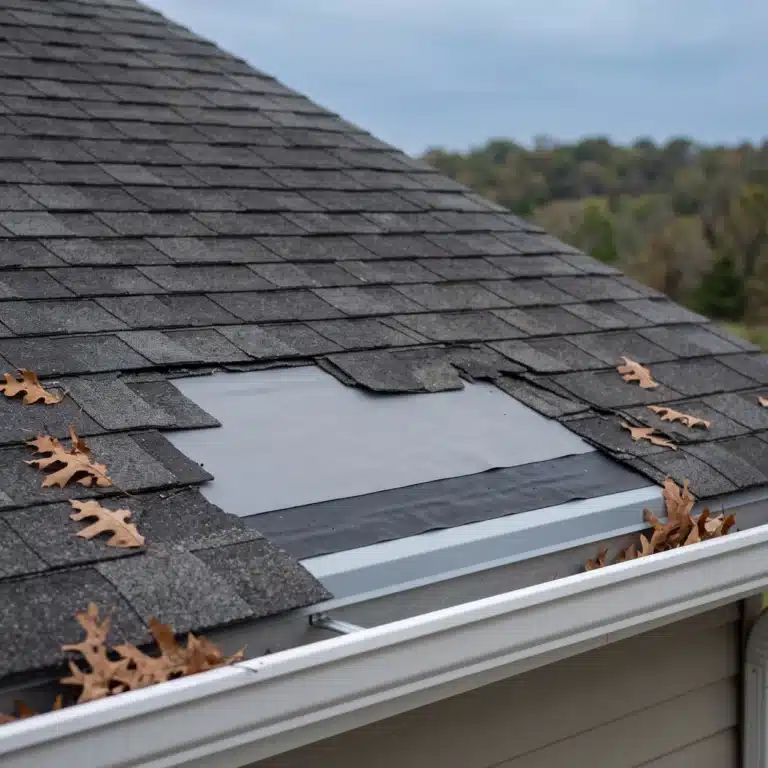

Tear-off is the moment a roof stops being a guess. The shingles come off, the deck is exposed, and whatever has been happening underneath becomes visible for the first time in years. Sometimes that changes the job. This guide explains what happens when it does, and the code threshold that decides whether a permit enters the picture.
TLDR: Deck damage is common and usually localized, and it cannot be diagnosed reliably before tear-off. Replacing bad sheathing adds scope mid-job. In Springfield, replacing more than 32 contiguous square feet of sheathing crosses from repair into permitted work, which is worth knowing before anyone is standing on your roof.
Nobody wants the phone call that starts with “we got the shingles off and.”
It is a genuinely awkward moment. Work is underway, the roof is open, weather is a factor, and a decision has to be made quickly about money nobody budgeted.
Knowing how this works ahead of time takes most of the pressure out of it.
Why nobody can tell you before tear-off
An inspection before the job establishes the condition of the shingles, flashing and visible details. It cannot see the sheathing under an intact roof.
There are hints. Soft spots underfoot, sagging between rafters, staining visible from inside the attic. All of them mean something, and none of them map the extent of the damage.
| Sign | What it tells you | What it does not |
|---|---|---|
| Soft spot underfoot | Deck deterioration somewhere below | How far it extends |
| Sag between rafters | Sheathing has lost strength | Whether framing is involved |
| Attic staining | Water reached the deck | Whether wood is compromised |
| Old repair patches | Prior leak history | Whether it was fixed properly |
An honest contractor tells you this is a possibility up front and explains how it will be handled, rather than presenting it as a surprise later.
Important: Any quote that guarantees no deck work before tear-off is guessing. Ask how deck replacement is priced instead.
What causes it
Deck damage almost always comes from long-term water exposure rather than a single event.
- Leaks at penetrations that went unnoticed for years
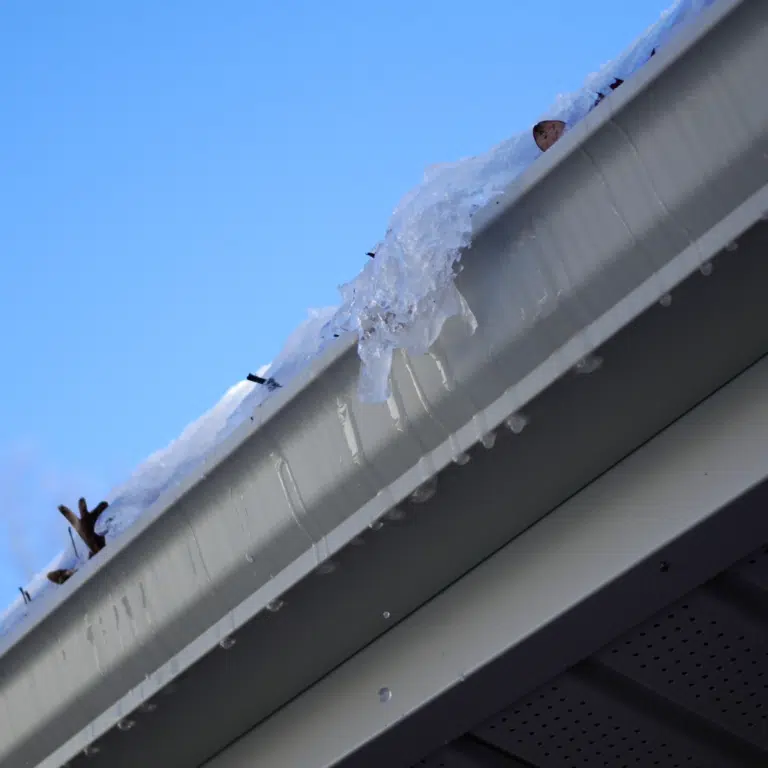
- Chronic ice damming at the eaves
- Poor attic ventilation creating persistent condensation
- Valleys that held debris and stayed wet
- Prior repairs that sealed the surface without fixing the source
Tip: Ask your contractor what they typically find on tear-offs in your neighborhood. Local pattern beats general advice.
Ventilation deserves attention because it produces damage with no leak at all. Warm moist attic air condensing on cold sheathing over many winters rots wood from the inside face.
Pro tip: If a tear-off reveals broad deck deterioration with no obvious leak history, have the attic ventilation evaluated before the new roof goes on.
The 32 square foot threshold
This is the part most homeowners have never heard, and it is worth knowing.
The City of Springfield does not require a permit for routine roof repair, replacement or recover. The city’s own roofing bulletin states that plainly. Two things change that:
- Any structural element gets altered or replaced
- More than 32 contiguous square feet of deck sheathing gets replaced
So sheathing replacement is not automatically a permit issue. It becomes one when the contiguous area crosses that threshold.
| Situation | Permit |
|---|---|
| Shingle replacement, deck sound | Not required |
| Small isolated sheathing repairs | Not required |
| More than 32 contiguous square feet of sheathing | Required |
| Rafter or truss work | Required |
You can verify both conditions in the City of Springfield roofing bulletin and through the permit office at 840 Boonville Avenue.
Important: Unincorporated Greene County is a separate jurisdiction with its own requirements. Verify directly if your property sits outside city limits.
How it should be handled on the day
A reasonable process looks like this.
- Crew identifies damaged sheathing during tear-off.
- You get photographs of what was found, before anything is covered.
- The affected area gets measured, not estimated by eye.
- You are told whether the area crosses the permit threshold.
- You approve the additional scope before work continues.
- Replacement sheathing goes in, matched to existing thickness.
- Photographs of the repair before underlayment covers it.
The photographs bracketing the repair matter. Once underlayment goes down, nobody can verify what happened.
Deck findings fall into a few recognizable patterns, and the cause shapes what else needs doing.
| Pattern found | Usual cause | What else to address |
|---|---|---|
| Damage along the eave | Ice damming | Ventilation and gutter performance |
| Damage in a valley | Debris holding water | Valley detail and tree cover |
| Damage around a penetration | Failed boot or flashing | Replace the detail, not just the wood |
| Broad damage, no leak history | Attic condensation | Ventilation before the new roof |
Tip: Ask for deck replacement to be priced per sheet on your original quote. It turns a mid-job negotiation into arithmetic.
Southwest Missouri context
Our climate produces every condition that damages decking. Ice dams back water up under shingles at the eave during winter. Summer humidity plus inadequate ventilation creates condensation cycles in the attic. Storm damage opens entry points that go unnoticed until the next tear-off.
That combination means deck findings are common here rather than exceptional. Homeowners planning roof replacement in Ozark or roof replacement across Southwest Missouri should expect the possibility and plan for it rather than being blindsided.
Our post on attic ventilation and insulation covers the cause that homeowners most often miss, and a free roof inspection establishes everything that can be known beforehand.
Illustrative scenario: A tear-off in Willard reveals soft sheathing along one eave where ice damming recurred for years. The area measures under the threshold, so no permit is needed. The homeowner approves the sheets, and the crew addresses attic ventilation at the same time so it does not recur.
Frequently asked questions
How common is rotted decking during a roof replacement? Common enough that it should be discussed before work starts, particularly on older roofs or homes with known leak history. Most findings are localized. Ask how your contractor prices it rather than whether it will happen.
Can an inspection find deck damage before tear-off? Not reliably. Inspectors can note soft spots, sagging and attic staining, which indicate a problem exists. The extent is not visible until the shingles come off.
Do I need a permit to replace roof decking in Springfield? Not for small areas. The city requires a permit when more than 32 contiguous square feet of sheathing is replaced, or when structural elements are altered. Verify with the permit office for your specific situation.
Who decides how much decking gets replaced? You approve the scope, based on what the crew finds and measures. Ask for photographs and a measured area rather than an estimate by eye. Anything structurally compromised should be replaced.
Will insurance cover rotted decking? Typically not, because rot is usually treated as long-term deterioration rather than sudden damage. Storm damage to the roof covering may be covered. Have everything documented and talk to your carrier.
What causes deck rot if my roof never leaked? Attic condensation. Warm moist air meeting cold sheathing over many winters rots wood from the inside with no external leak at all. It is the cause homeowners most often overlook.
Can damaged decking be repaired instead of replaced? Compromised sheathing gets replaced rather than patched, because it no longer holds fasteners reliably. Sound sheathing with surface staining generally stays. The distinction is structural, not cosmetic.
How much does deck replacement delay the job? Usually not much for localized areas, since the crew is already on site with the roof open. Larger areas or permitted work extend the timeline. Ask what would change your schedule.
Should the new sheathing match the old thickness? Yes. Mismatched thickness creates an uneven surface that telegraphs through the new shingles. Ask what thickness is being installed.
Key takeaways
- It cannot be diagnosed beforehand
- Inspections find indicators, not extent.
- Any quote promising no deck work is guessing.
- The cause is usually slow
- Chronic leaks, ice damming, or attic condensation with no leak at all.
- Know the threshold
- More than 32 contiguous square feet of sheathing requires a Springfield permit.
- Demand photographs
- Before and after the repair, while the deck is still visible.
- Price it in advance
- Per-sheet pricing on the original quote avoids a mid-job negotiation.
Know how it will be handled before you need to
The best time to understand deck replacement is while you are comparing quotes, not while a crew is standing on an open roof waiting for an answer.
We have opened enough Southwest Missouri roofs since 1971 to tell you what we usually find and how we handle it. Owner Josh Tessmer built the business on no surprises mid-job.
What you get when you call:
- A free inspection covering everything visible before tear-off
- Deck replacement priced on the quote, before work begins
- Photographs of anything found, before it gets covered
- Clear guidance on when a permit applies and who handles it
Not sure where to start? We will walk you through it. Call 417-883-7663 or reach out online.
Teague Roofing Plus, Roofing, Siding, Windows, Gutters, and More. Serving Southwest Missouri Since 1971.