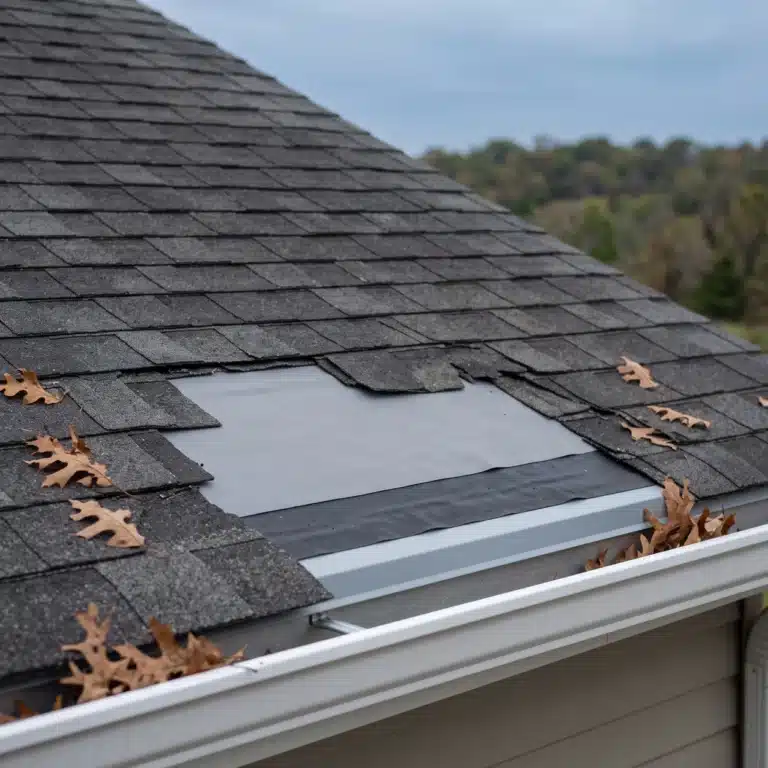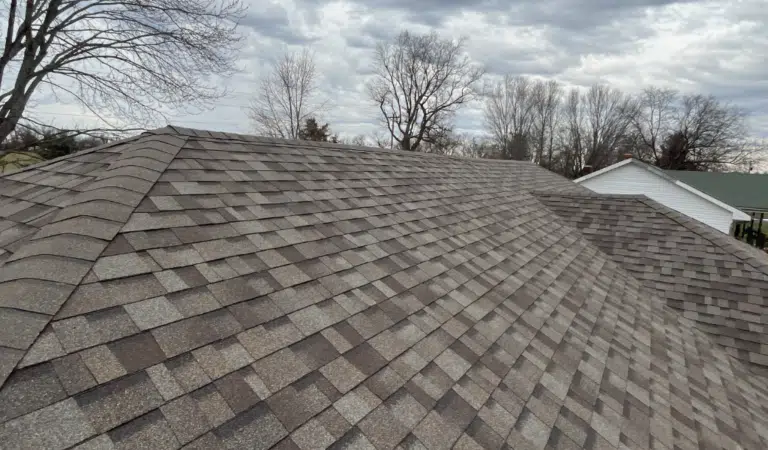

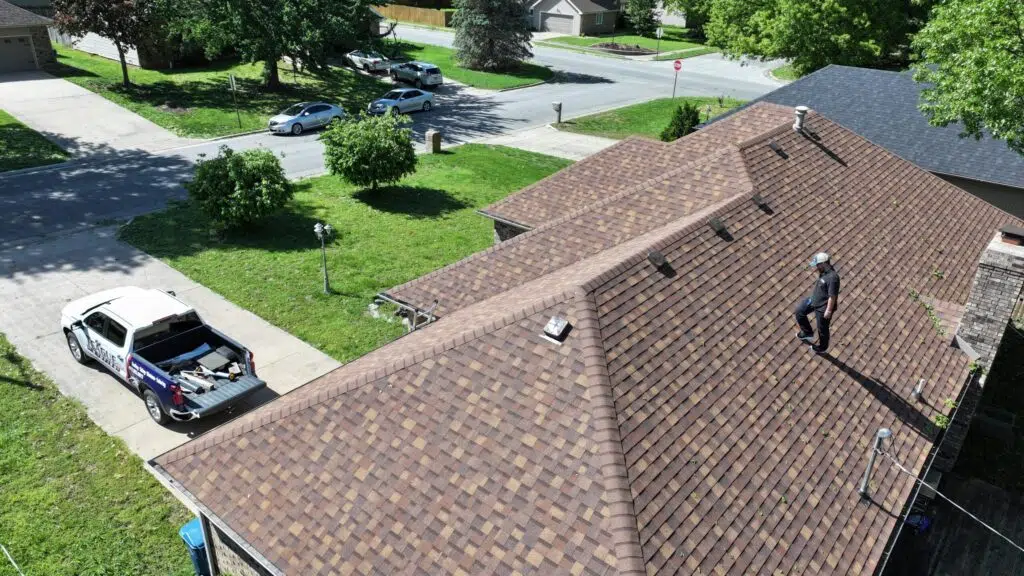
Insufficient or incomplete documentation is one of the most common reasons hail roof claims are denied or underpaid. The good news: you control this part entirely. With a smartphone, twenty minutes of focused work, and a clear understanding of what to capture, you can build a documentation file that holds up against any adjuster review. This is the action guide. For the companion piece on what adjusters look at when they walk a roof, see what insurance adjusters look for on your roof. The two posts work together.
TLDR: Document before you clean, repair, or call the adjuster. Use three levels of photography on every damaged area: wide for context, mid-range for distribution, close-up for individual impacts. Capture interior damage and mitigation receipts too. Get a written inspection report from a roofer before the adjuster arrives. Back everything up to cloud storage the same day.
A quick note before we get into it: we are roofers, not insurance adjusters or agents. Your policy and your carrier control coverage decisions. Use this guide to understand the process, then verify the specifics with your adjuster and your own policy documents.
Document Before You Do Anything Else
The sequence matters. Documentation comes first, before any cleaning, before any temporary repairs, before the adjuster visit. Once you’ve moved a fallen limb or swept up debris, that evidence is gone. Once you’ve patched a hole, the original opening is harder to document. Capture everything in its as-damaged state first, then move to mitigation.
Use phone timestamps. Every photo and video taken on a smartphone is automatically timestamped with date, time, and (usually) GPS location. That metadata matters when an insurer questions whether damage came from this storm or a prior event. Do not edit, crop, or re-save the original photos in a way that strips the metadata. Keep the originals, work from copies.
Three levels of photography apply to every damaged area on the property:
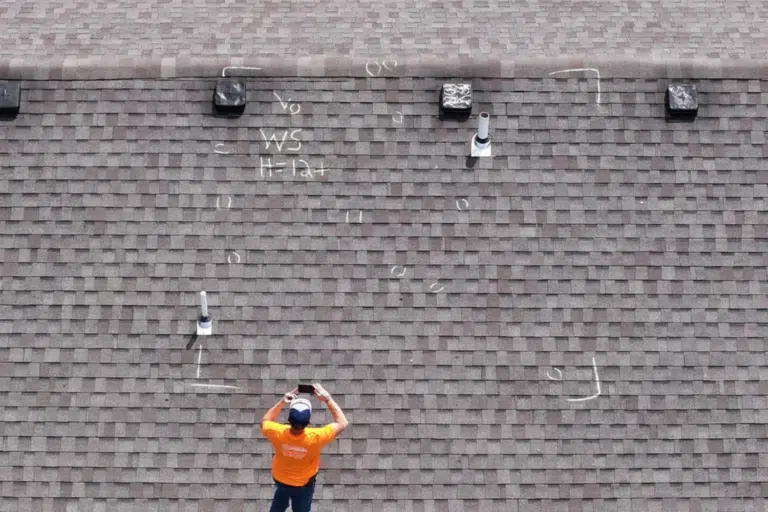
Wide shot. The full roof plane or full wall section, taken from 30 to 50 feet back. This establishes context and shows the overall area affected. Adjusters use wide shots to understand which roof slopes and which sides of the home took the worst of the storm.
Mid-range shot. Individual roof sections, gutters, soffits, vents, and AC condensers from 10 to 15 feet away. These show how damage is distributed across components. A roof that took hail will show consistent damage across multiple sections, not isolated to one spot.
Close-up shot. Individual shingles, dents, granule loss, impact marks, taken 2 to 3 feet away. This is where hail damage is actually proven. Close-ups are the most important shots for a hail claim because the damage is usually invisible from the ground.
Include dated weather context. Screenshot a news alert, the National Weather Service Springfield radar image, or an NWS storm report from the day of the storm. The NOAA Missouri storm history confirms SW Missouri’s regional storm frequency, which is why per-storm documentation matters here specifically. Send yourself a voice memo or text immediately after the storm describing what you observed. That creates an additional timestamp record independent of the photos.
Back up everything to cloud storage the same day. Google Photos, iCloud, Dropbox, or any equivalent works. If your phone is lost or damaged in the same storm event, the documentation survives. SW Missouri’s multi-storm seasons mean insurers may try to attribute current damage to a prior event. Timestamped documentation from each individual storm event is your protection against that argument.
| Shot Type | Distance | What to Capture | Why It Matters |
|---|---|---|---|
| Wide shot | 30 to 50 feet back | Full roof plane, full wall section, overall context | Shows adjuster which areas took the storm |
| Mid-range shot | 10 to 15 feet away | Gutters, soffits, vents, AC condensers, individual roof sections | Shows damage distribution across components |
| Close-up shot | 2 to 3 feet away | Individual shingles, impact marks, granule loss, dents | Proves the actual hail damage, often invisible from the ground |
Pro Tip: Before storm season every year, take a full “before” photo set of your entire roof, wide shots and close-ups, and back them up to cloud storage with a timestamp. Dated undamaged-roof photos are some of the most valuable evidence you can have when damage is later disputed.
What Insurance Adjusters Actually Look For: How to Match It
Adjusters are not looking at hail damage with mystery or judgment. They follow a specific list of indicators, and if your documentation captures those indicators directly, the conversation moves faster and the claim holds together better. The National Roofing Contractors Association maintains professional inspection standards that align with what adjusters check.
Circular granule displacement in a random scatter pattern. Hail strikes leave distinct circular impact points distributed across the roof plane. Random distribution is the signature of a weather event. Uniform edge wear or strips of damage are signs of age or mechanical issues, not hail. Photograph the scatter pattern at mid-range so the random distribution is visible, then move in for close-ups on individual impacts.
Exposed dark asphalt mat at each impact point. Where hail has knocked granules away, the black asphalt mat beneath becomes visible. This is what distinguishes hail impact from normal weathering. Close-up photos with good lighting (overcast daylight is ideal) capture this clearly.
Soft spots under thumb pressure. Hail impact can fracture the fiberglass mat beneath the shingle surface even when the surface looks intact. Press firmly on a shingle with visible impact marks, if it gives slightly, the mat is fractured. Photos can’t fully capture this since it’s a tactile finding. What you can document is the impact mark itself, and note in your records which marks correlated with soft spots when a professional inspected.
Systematic pattern of impacts across the full roof plane. Random scatter across the entire roof surface confirms a weather event. Damage concentrated in one small area is more likely mechanical and may not qualify as a covered weather loss. Document the pattern, not just individual spots.
Metal component dents. Consistent dents on gutters, flashing, metal vents, and AC condenser fins are the most reliable corroborating evidence of hail size and severity. Photograph each dent with a coin placed next to it for scale. A quarter is roughly 1 inch, a half-dollar is roughly 1.2 inches, and ping-pong ball is roughly 1.5 inches. Scale matters because hail size correlates with damage severity and insurance coverage.
Age vs. impact distinction. Adjusters distinguish weather damage from normal aging by looking for the specific markers above (random scatter, exposed mat, soft spots, metal correlation). If your documentation hits those markers, you make it harder for the claim to be reclassified as wear and tear.
A written inspection report from a roofer before the adjuster arrives creates a documented scope the adjuster has to address. For hail damage roof inspection in Springfield and the full claim process, our team produces a written report that goes directly into the claim file. Rather than letting the adjuster set the terms unilaterally, you walk in with documentation already in place.
| What Adjusters Check | What It Indicates | How to Capture It in Documentation |
|---|---|---|
| Circular granule displacement | Random scatter is the hallmark of hail | Mid-range shots showing distribution, close-ups on individual impacts |
| Exposed dark asphalt mat | Granules knocked away by impact, not aging | Close-up shots with good lighting, ideally overcast daylight |
| Soft spots from mat fracture | Fiberglass mat damage under intact-looking surface | Mark and photograph the impact, note correlation with soft areas during professional inspection |
| Systematic pattern across full roof | Weather event vs. mechanical or isolated damage | Wide shots of each roof plane plus mid-range views |
| Metal component dents | Corroborating evidence of hail size | Close-ups with a coin placed for scale |
| Age vs. impact distinction | Whether damage qualifies as a covered loss vs. wear and tear | Capture the specific markers above so the distinction is documented |
Pro Tip: Get a written inspection report from Teague before the adjuster arrives, not after. A roofer’s documented scope gives you a baseline the adjuster has to address, rather than the adjuster defining the damage on their own terms.
Document Interior Damage Too
The claim isn’t just the roof. Interior water damage from the same storm is part of the same claim file and needs the same level of documentation.
Attic. Take photos of wet rafters, water staining on the underside of the decking, any daylight visible through boards, and wet or compressed insulation. Use a flashlight to illuminate dark areas. Timestamp every attic photo. Wet insulation in particular is important because it documents that water actually entered the structure, not just that shingles are damaged.
Ceilings and interior walls. Water stains, water rings, bubbling or peeling paint, sagging drywall. If staining grows over several days, photograph it each day to show the progression. Date-stamped progression photos are powerful evidence that damage is active and ongoing.
Mitigation receipts. Keep every receipt: tarps, lumber for tarp anchoring, plastic sheeting, fans, dehumidifier rental, contractor invoices for emergency tarping, buckets. Most standard Missouri policies reimburse reasonable mitigation costs when the underlying damage is from a covered peril, but only if you have receipts. The Missouri Department of Commerce and Insurance (consumer helpline 800-726-7390) covers consumer guidance on what mitigation documentation policies typically require.
Damaged personal property. Document separately for a contents claim. Photograph items before moving or discarding them, and keep them in place until the adjuster has had a chance to inspect.
Critical: do not discard any damaged items before the adjuster sees them. Throwing away storm-damaged property before documentation removes it from the claim entirely, regardless of how legitimate the damage was.
| Area | What to Document | Why It Matters for the Claim |
|---|---|---|
| Attic rafters and decking | Wet wood, staining, daylight through boards, wet insulation | Proves water actually entered the structure |
| Ceiling stains and drywall | Stain progression over time, bubbling paint, sagging areas | Documents interior damage as part of the same loss |
| Personal property | Photos of items in place before moving or discarding | Contents claim requires items be documented before disposal |
| Mitigation receipts | Tarps, fans, dehumidifier rental, contractor invoices | Reimbursable under most policies, but only with receipts |
| Emergency repair receipts | Materials and labor for temporary stabilization | Counted as part of the mitigation reimbursement |
Pro Tip: Back up all photos to cloud storage the same day you take them. If your phone is lost, damaged, or stolen during the same storm event that damaged your roof, your documentation is gone unless it’s already in the cloud.
Organizing and Presenting Your Documentation
Documentation that exists but can’t be quickly produced is documentation that doesn’t help. Organization matters as much as capture.
Organize by category. A simple folder structure (on your phone, in cloud storage, or printed) by:
- Exterior Roof (wide, mid, close-up)
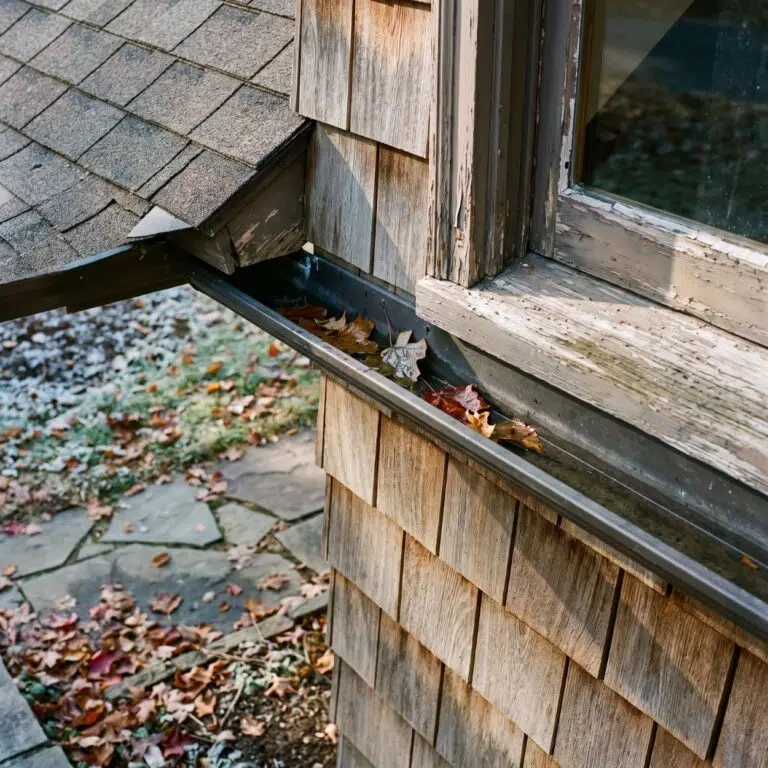
- Metal Components (gutters, flashing, vents, AC condensers, dents with coin for scale)
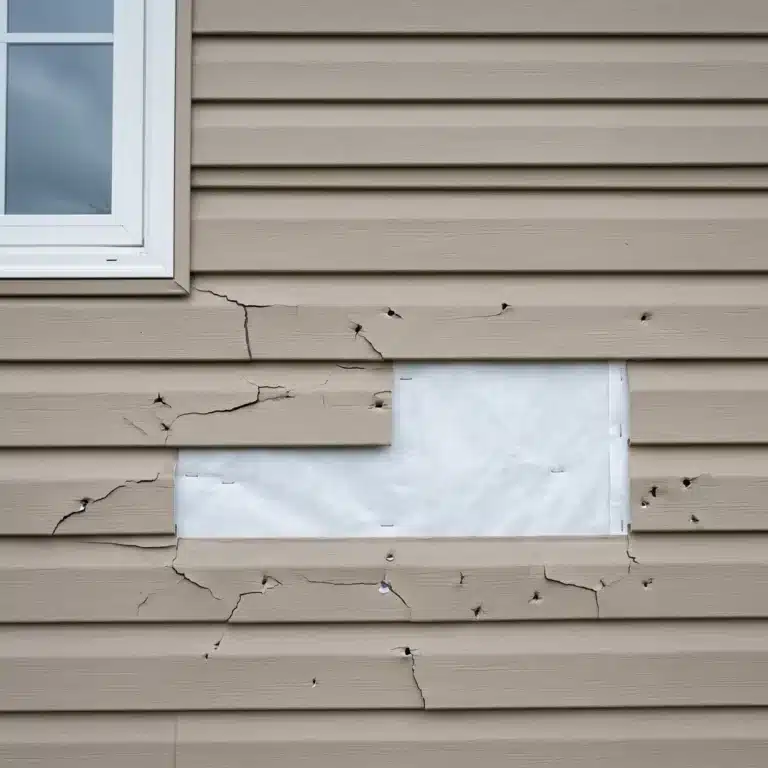
- Siding and Gutters
- Interior (attic, ceilings, drywall, walls)
- Weather Evidence (NWS reports, news alerts, radar screenshots)
- Mitigation and Repair Receipts
- Before-and-After (if you have prior baseline photos)
Bring the full organized set to the adjuster appointment. On your phone is fine. Printed is better if you have time. Walk the adjuster through it before or during the inspection rather than expecting them to discover everything themselves.
If the roofer’s written report documents damage the adjuster doesn’t include in their scope, use the written report to formally request a supplemental review through your insurance claim assistance channel or directly to the carrier. The how to file a roof insurance claim in Springfield guide covers the full filing sequence if you’re earlier in the process. For the broader storm response, our storm damage repair page handles the work from inspection through permitted replacement.
Keep all records permanently. Not just for this claim, but as the documented baseline for future claims. SW Missouri sees multiple storm seasons every year. After every subsequent storm, add a new timestamped photo set to the same permanent record. The baseline from this year becomes the “before” photos for next year’s claim if damage occurs.
| Category | What’s In It | When to Use It |
|---|---|---|
| Exterior Roof | Wide, mid-range, and close-up photos of every roof plane | Primary damage documentation for the claim |
| Metal Components | Gutter, flashing, vent, AC dents with coin scale | Corroborates hail size and severity |
| Interior | Attic, ceiling, wall damage photos | Documents interior portion of the claim |
| Weather Evidence | NWS reports, radar screenshots, news alerts | Ties damage to a specific verifiable storm event |
| Mitigation Receipts | All receipts for emergency materials and labor | Supports mitigation reimbursement |
| Permanent Baseline | Annual undamaged photos, prior claim records | “Before” evidence for the next claim |
Pro Tip: Put your claim number, adjuster name, adjuster contact information, and all documentation in a single organized folder, physical or digital, before the adjuster appointment. Leading every call with your claim number and knowing exactly where your documentation is changes the dynamic of every conversation.
Frequently Asked Questions
Q1: What photos should I take after the Springfield hailstorm for an insurance claim?
Three levels: wide shots of every roof plane from 30 to 50 feet back, mid-range shots from 10 to 15 feet showing gutters, vents, and component distribution, and close-ups from 2 to 3 feet on individual shingles, impacts, and granule loss. Add metal component dents with a coin placed for scale. Photograph attic rafters, decking, and any interior water damage. Screenshot weather data from the storm date. Back everything up to cloud storage the same day.
Q2: How close do my photos need to be to support a hail damage claim?
Close enough to see individual impact marks clearly on a single shingle, typically 2 to 3 feet away. Hail damage is often invisible from the ground or from a wide shot, so the close-ups are where the claim is actually proven. Use the phone’s standard lens rather than zoom for sharper detail, and shoot in overcast daylight when possible.
Q3: Can I make temporary repairs before the adjuster comes?
Yes, and you should if active leaking is occurring. Most Missouri policies require homeowners to take reasonable steps to prevent further damage (the duty to mitigate), and temporary repairs generally do not void a claim when properly documented. Photograph the damage before any temporary repair, photograph the temporary repair after installation, and keep all receipts. Confirm any specific requirements with your insurer.
Q4: What if the adjuster misses damage my roofer found?
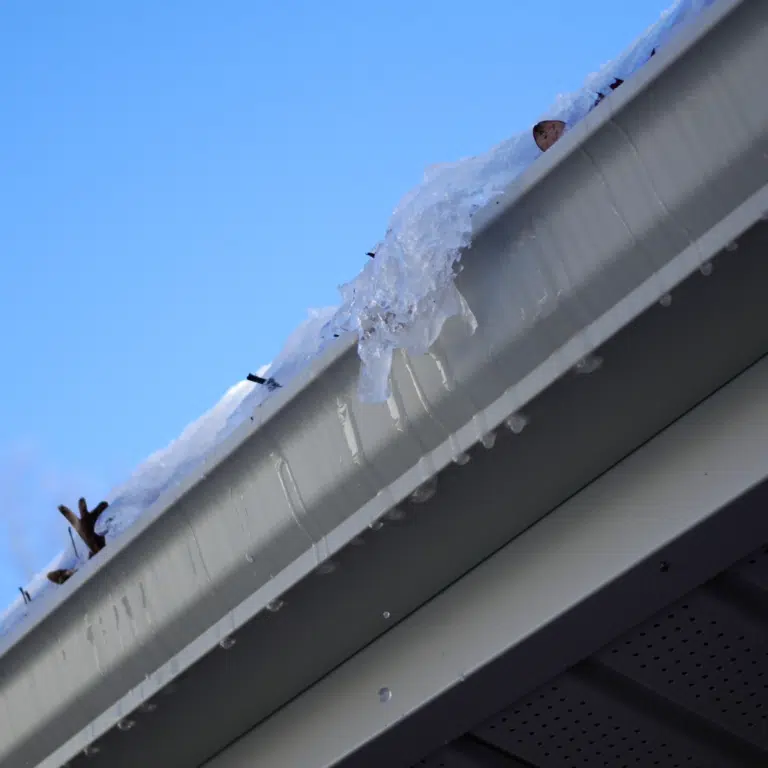
Document the missed damage with photos and the roofer’s written inspection report, then submit a written supplement to the insurance company requesting re-inspection. Ask for a different adjuster if possible and confirm your roofer can be on-site for the re-inspection. Missed rear-slope damage, granule loss in gutters, and impacts on metal components are common items adjusters under post-storm workload pressure overlook.
Q5: Should I video the damage or just take photos?
Both. Photos let you zoom in on specific details for evidence. Video lets you walk through the damage in a continuous timestamped record that’s harder to dispute. A 60-second narrated video walking through the attic (“water staining here, wet insulation here, daylight through the decking here”) is powerful evidence. Take both.
Q6: What records should I keep for future claims?
Permanently keep every photo set, every claim file, every adjuster communication, every roofer inspection report, every receipt, every weather record. After every subsequent storm, add new timestamped photos to the same permanent record. The baseline from one storm becomes the “before” evidence for the next claim if damage occurs in a future event.
Q7: Will a roofer help me document damage for my claim?
Yes. A professional inspection produces a written damage report with photos, scope of damage, recommended repair or replacement, and the contractor’s information. Our free roof inspection is genuinely free, includes the written report, and the documentation goes straight into your claim file. Roofers cannot file the claim on your behalf, but they can produce the documentation that supports it.
Q8: How do I document interior water damage from the storm?
Photograph wet rafters and decking in the attic, water stains and damaged drywall on ceilings and walls, and any wet insulation. Date-stamp everything. If staining progresses over multiple days, photograph it each day to show the progression. Keep all receipts for mitigation materials (tarps, fans, dehumidifier rental) and emergency repair invoices, because most policies reimburse reasonable mitigation costs.
If you want a professional inspection report to support your claim before the adjuster arrives, Teague Roofing Plus provides free inspections across Springfield and SW Missouri, including Nixa, Ozark, Branson, and Marshfield. We document everything, give you a written report, and meet your adjuster on site if needed. Call 417-883-7663, contact us, or schedule your free roof inspection to get started.
Teague Roofing Plus | Roofing, Siding, Windows, Gutters, and More. Serving Southwest Missouri Since 1971.