
You called three roofers. Two haven’t returned the call yet. The third put you on a wait list and couldn’t give you a date. Meanwhile, the tarp on your roof is the only thing standing between your living room and the next round of rain in the forecast. Here’s what to do.
TLDR: Reputable local roofers book fast after major storms because demand spikes across the whole region at once. The wait is normal, not a sign something is wrong, and a contractor with unlimited immediate availability after a historic hailstorm is the warning sign, not the solution. While you wait, document everything, monitor for secondary damage, and use temporary tarping or patching to protect the home until permanent repairs can happen.
Why Roofers Back Up After Big Storms
When a single storm hits an entire county at once, demand for roofing service spikes across the whole regional market. Springfield, Nixa, Ozark, Willard, and Republic all need help in the same week. Reputable local contractors only take on as much work as their trained crews can complete well, which means the wait list builds quickly.
Material supply chains feel it too. Shingles, decking, underlayment, and ridge cap all face their own delays when regional demand surges past normal capacity. Permit offices process more roof permits in the weeks after a major event, which adds a few days to the timeline even when the contractor is ready. Scheduling has to account for weather windows, because crews cannot install dry materials in active rain.
After the historic Springfield hailstorm, the entire SW Missouri roofing market is operating well above normal capacity. The National Weather Service Springfield office tracks these regional events, and the NOAA Missouri storm history confirms that demand spikes following major hail and wind events are a recurring reality in this region. It’s region-wide, not contractor-specific.
Honest reality check: reputable local contractors book fast after major events. If a company has unlimited availability immediately after the biggest hailstorm in local history, that itself is worth a question.
| Factor | How It Affects the Timeline | What Homeowner Can Do |
|---|---|---|
| Adjuster scheduling | Insurance adjusters are also backed up after regional events | Call your carrier early, get on the adjuster’s schedule |
| Contractor demand | Reputable local crews fill their schedule within days of a major storm | Get on the schedule before the formal scope is finalized |
| Material availability | Regional supply chains face delays when whole counties reroof at once | Confirm with your contractor what materials are on hand vs. ordered |
| Permit processing | City permit offices add review time during high-volume periods | Choose a contractor who handles permits for you, like our storm damage repair team |
| Roof complexity | Multi-slope or steep-pitch roofs require more crew days | Provide accurate property details when scheduling |
| Weather windows | Crews cannot install in active rain, scheduling shifts with the forecast | Stay flexible on the install date, prioritize tarping until then |
Pro Tip: Get on the schedule with a local contractor you trust even before the formal inspection scope is finalized. The scope can be adjusted later, but a scheduling slot can’t be held indefinitely during a backlog.
What To Do While You Wait
The waiting period is not passive time. There are concrete steps that protect the home and the insurance claim.
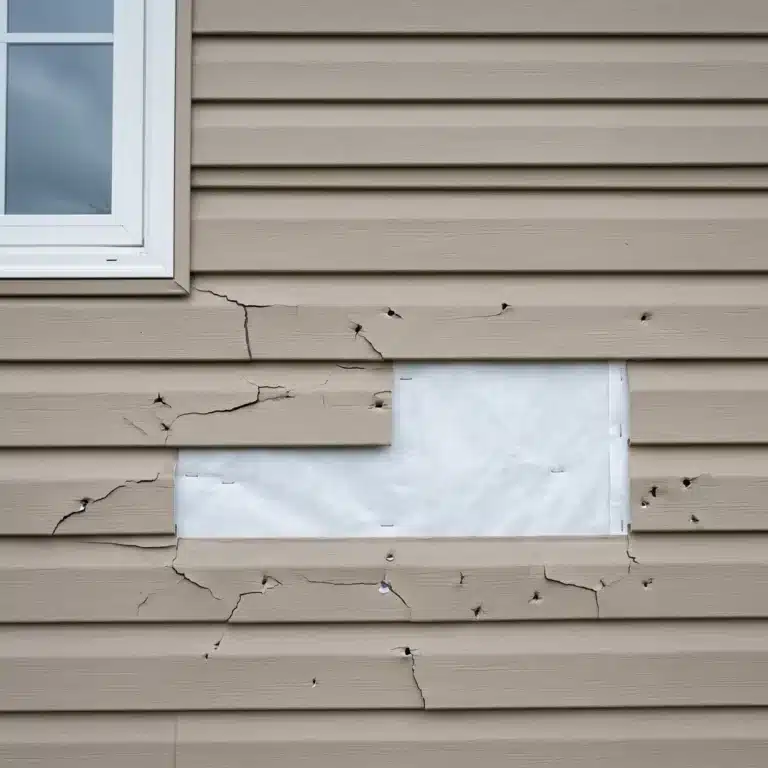
Make temporary repairs to stop active leaking. Our existing guides on emergency tarping and temporary patching cover this in detail, and our emergency roof repair service handles tarping and stabilization when conditions allow. Document all storm damage with timestamped photos and video while it is still fresh. The dates on your documentation matter when the insurance claim moves into review.
Keep every receipt for temporary materials: tarps, roofing cement, plastic sheeting, fans, dehumidifier rentals. Most policies reimburse reasonable emergency mitigation costs when the underlying damage is from a covered peril.
Watch for signs of secondary damage developing while you wait. Water stains spreading on ceilings, a musty smell that suggests mold beginning, wet insulation in the attic, soft spots on ceiling drywall. SW Missouri’s summer humidity means water left in wall cavities or insulation for 24 to 48 hours creates a real mold risk. Monitoring is not optional during the wait.
| What To Check | Why It Matters | Action If Problem Found |
|---|---|---|
| Ceiling staining (spreading) | Indicates active or recent water intrusion through the roof | Photograph with date, contact your contractor and insurer |
| Attic moisture or wet insulation | First sign of new leaks before they show on the ceiling | Inspect with a flashlight, document, schedule emergency stabilization |
| Tarp integrity after wind events | A loosened tarp can cause more damage than the original opening | Re-secure or call for tarp re-anchoring if you cannot do it safely |
| Musty odors in any room | Early sign of mold beginning in wall cavities or insulation | Run fans and dehumidifier, document, raise it with your insurance adjuster |
| Soft ceiling spots | Indicates trapped water above the drywall | Drain with a small relief hole, document, photograph the area |
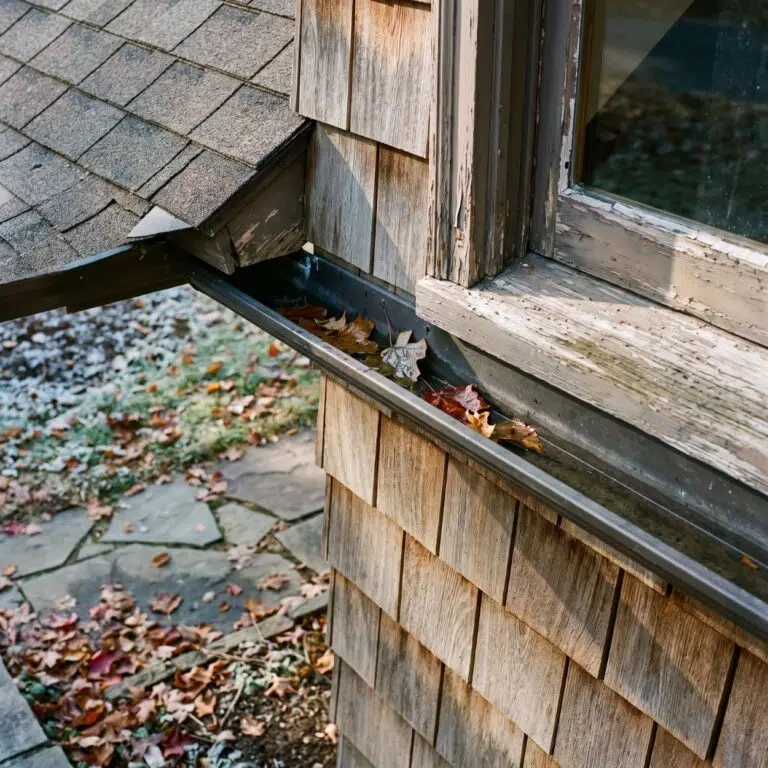
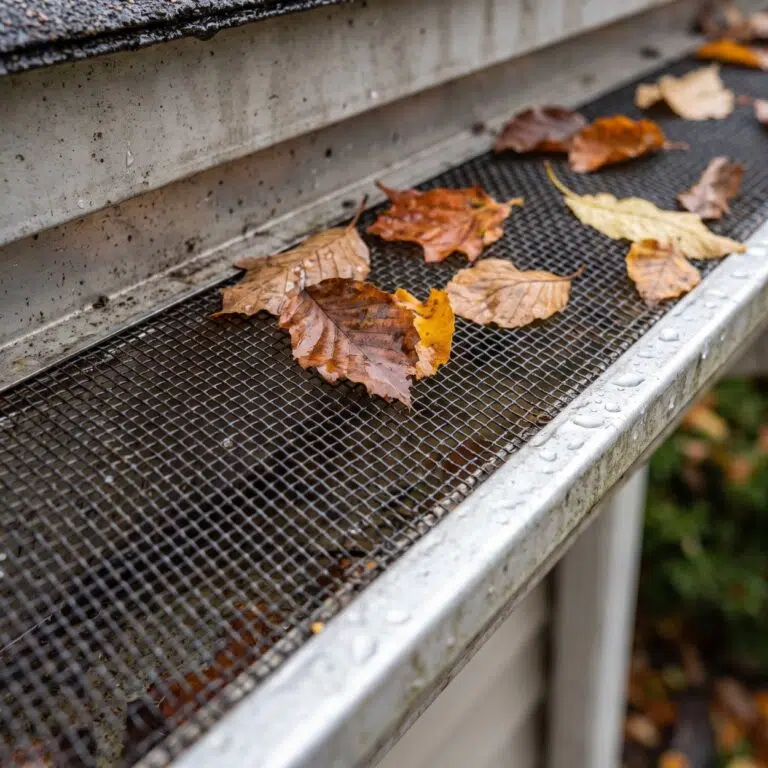
| Gutters and exterior fascia | Hidden damage often surfaces as exterior water staining | Photograph any new staining or sagging, add to claim documentation |
Pro Tip: After every subsequent storm or heavy rain while you’re waiting for permanent repairs, take a fresh round of dated photos. This establishes exactly what damage existed before the repair versus any new damage from later events.
Why Storm Chasers Seem Appealing Right Now, and Why They’re a Problem
When local roofers are booked out and your tarp is flapping in the breeze, someone who can start tomorrow sounds like a solution. The temptation is understandable.
The availability itself is the warning sign. Storm chasers move fast because they’re prioritizing volume over quality. They are not local businesses with reputations to protect in this community. Their warranties effectively end when they leave town. They often use out-of-state subcontract labor with no local oversight, no follow-up if something goes wrong, and no accountability when the warranty paperwork stops being honored a year from now.
Missouri has no statewide general contractor licensing requirement. Anyone can show up and start selling roofing work after a storm without state-level vetting. That doesn’t mean every door-knocker is dishonest, but it does mean the burden of verification falls entirely on the homeowner. The Better Business Bureau lets you verify a contractor’s accreditation, complaint history, and track record before signing anything, and the National Roofing Contractors Association maintains contractor quality standards worth checking.
For everything you need to know about spotting and avoiding storm chasers, see our full guide on storm chasers vs local roofers in Springfield.
| Factor | Local Roofer | Storm Chaser |
|---|---|---|
| Availability immediately after major storm | Booked out, waitlist common | Unlimited availability the day after the event |
| Warranty support after the job | Local, callable for years | Ends when the company leaves town |
| Insurance claim experience | Knows local carriers and adjusters | Generic pitch, often inflated scope |
| Local accountability | Physical address, BBB record, community reputation | Out-of-town address, no community presence |
| Who does the work | Trained local crew, project managers on site | Out-of-state subcontract labor, no local oversight |
Pro Tip: Call the contractor’s number from a Google search, not the number on the card they handed you at the door. Some storm chasers use local area-code phone forwarding to appear local when they’re not.
How To Stay Protected Until Permanent Repairs Happen
A correctly installed roof tarp can protect a home for up to 90 days, which is usually long enough to absorb a typical backlog window. Roofing cement can temporarily seal small breaches, loose shingles, and gaps around flashing. Both are short-term measures, not permanent solutions, but they buy the time you need.
Continue interior protection while you wait: plastic sheeting over vulnerable belongings, buckets under any remaining drips, fans and a dehumidifier running to keep moisture from settling. Recheck the roof and any temporary repairs after every subsequent storm or wind event. A tarp that survived the first storm may have loosened in the second one.
If an active leak develops while you’re waiting for the permanent repair appointment, our emergency stabilization service can handle the immediate issue separately from the scheduled replacement work. The storm damage roof repair in Missouri: what to expect guide walks through the broader timeline from emergency stabilization through final permitted repair, which helps set realistic expectations during the wait.
Pro Tip: Check tarp edges and anchor points after every wind event. A loosened tarp in a subsequent storm can cause more damage than the original roof opening did.
Frequently Asked Questions
Q1: How long might I wait for a roofer after the Springfield hailstorm?
After a major regional event, wait times for reputable local contractors typically run from a few weeks to several months depending on damage severity, scope complexity, material availability, and permit processing. Exact timelines vary by contractor and by claim. The key is to get on a schedule with a contractor you trust as soon as possible, because slots fill faster than they can be created.
Q2: Can I do anything to my roof while I wait?
Yes. Temporary tarping over openings, roofing cement on small breaches, and interior moisture control with fans and a dehumidifier all protect the home until permanent repairs can happen. Do not climb a wet or storm-damaged roof yourself. Hire a professional for tarping if you can’t do it safely from a ladder, or call for emergency stabilization.
Q3: Should I use a storm chaser if local roofers are booked?
No. The availability is the warning sign, not the solution. Storm chasers move fast because they prioritize volume over quality, use out-of-state subcontract labor, and disappear when warranty claims arise. A temporary tarp from a local contractor plus a wait for the permanent repair is almost always a better outcome than a fast install by an out-of-town crew.
Q4: What are the risks of waiting too long to repair storm damage?
Secondary water damage, mold beginning in insulation or wall cavities, accelerated deterioration of decking, and damage to interior finishes. Most insurance policies require homeowners to take reasonable steps to prevent additional damage (the duty to mitigate), so failing to tarp or stabilize during the wait can hurt the claim itself. Document and protect aggressively while waiting.
Q5: Can I make a temporary repair myself safely?
Only from a ladder or the ground, never from on the roof itself, and only if the conditions are dry, the ladder is on solid ground, and you have a second person around. Storm-damaged roofs have soft spots and hidden weakness that can give way under weight. Most temporary repairs that are safe for a homeowner involve interior protection (buckets, plastic, fans) and exterior documentation (photos and video). Tarping is best left to professionals.
Q6: Will insurance cover emergency protection expenses like tarping?
Most standard Missouri homeowners policies reimburse reasonable emergency mitigation costs when the underlying damage is from a covered peril. Keep every receipt: tarps, materials, dehumidifier rental, contractor invoices for emergency stabilization. Submit them with the main claim documentation, not piece by piece.
Q7: How do I know if my temporary patch is holding?
After every rain or wind event, check the area inside the home for any new water signs and the area outside for tarp displacement or curled tarp edges. A patch is holding if no new water is appearing and no new damage is visible. A patch is failing if you see fresh staining, wet insulation, or any sign the tarp has shifted from its original anchored position.
Q8: What signs of secondary damage should I watch for while waiting?
Spreading water stains on ceilings, musty odors in rooms or attic spaces, wet insulation, soft or sagging ceiling drywall, and new exterior staining on fascia or siding. Any of these warrant prompt action even before the permanent repair appointment, because secondary damage compounds quickly in SW Missouri’s humidity.
Teague Roofing Plus is scheduling inspections across Springfield and SW Missouri, including Nixa, Ozark, Willard, and Republic. If your roof took damage in the storm, the best time to get on the schedule is now. We stabilize any active issues, document everything, and keep you informed throughout the process. Call 417-883-7663, contact us, or request your free roof inspection to get started.
Teague Roofing Plus | Roofing, Siding, Windows, Gutters, and More. Serving Southwest Missouri Since 1971.