

Spring is the most important time of year to check your roof in Southwest Missouri. Winter leaves behind cracked shingles, loosened flashing, and clogged gutters, and the first major spring storms arrive before most homeowners ever look up. A careful spring check finds winter damage early, clears the drainage system before heavy spring rains, and puts your roof in the best possible condition heading into hail season. This checklist walks you through exactly what to look for and in what order.
TLDR: A spring roof inspection in Springfield catches winter damage before it becomes a summer leak and gets your roof ready for hail and storm season. Check the ground and roof surface from below, clean gutters and downspouts, look inside the attic for moisture, and schedule a professional inspection for the high-risk areas like flashing, chimneys, and penetrations. Teague Roofing Plus offers free spring inspections across SW Missouri.
You already know the feeling. Spring arrives, you walk outside, and something about the roof catches your eye. Maybe there are shingle pieces in the yard from a winter wind event. Maybe the gutters are sagging after months of ice and debris. Maybe nothing looks obviously wrong, but you know it has been a while.
A quick spring check is worth 20 minutes of your time every year. In SW Missouri, where winter brings ice storms and freeze-thaw cycles and spring brings hail and severe thunderstorms, a roof that goes into April unexamined is taking an unnecessary risk. The issues that show up in August leaks and September insurance claims are often problems that were visible in March if anyone had looked.
This guide gives you a step-by-step spring checklist you can work through from the ground and inside the attic, plus a clear picture of what benefits from a professional look before storm season gets underway.
Why Spring Roof Checks Matter in Springfield, MO
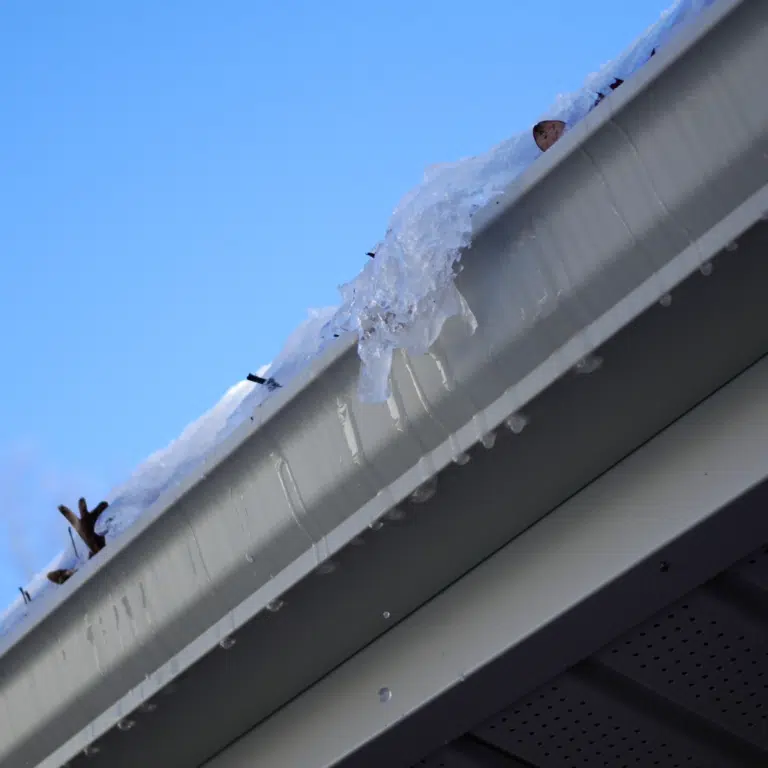
Southwest Missouri winters are hard on roofs in specific ways. Freezing rain creates ice that works into shingle gaps. Snow loads stress gutters and flashing. Wind events loosen shingles and pull at the roof edge. And freeze-thaw cycles, where the temperature drops below freezing at night and rises above it during the day, are particularly damaging to sealants, flashing bonds, and any existing small cracks in roofing materials.
Then spring arrives and brings its own set of challenges. April is the peak month for hail and tornadoes in the NWS Springfield County Warning Area, and the severe weather season runs hard through June. A roof that took minor winter damage is significantly more vulnerable to the first major spring hail event than one that went into the season in sound condition.
A spring inspection finds the winter damage while it is still minor. A cracked shingle from February ice is a simple repair in March. That same cracked shingle, after a significant spring hail event adds to the damage and water enters the decking, becomes a more complex job in May.
| Season | What Hits Your Roof | Why a Spring Check Helps |
|---|---|---|
| Winter | Ice, freezing rain, snow load, wind, freeze-thaw cycling | These leave shingle damage, flashing gaps, and clogged gutters you need to find |
| Early spring storms | Wind and rain before full severe weather season | Rain exploits any crack or gap winter created |
| Late spring hail | April through June hail events | A compromised roof sustains more damage per storm than a sound one |
Step 1: Ground-Level Roof and Yard Check
Start with a slow walk around the full perimeter of your home. You do not need a ladder for this step. Everything you need to see is visible from the ground with a careful look and, if helpful, binoculars.
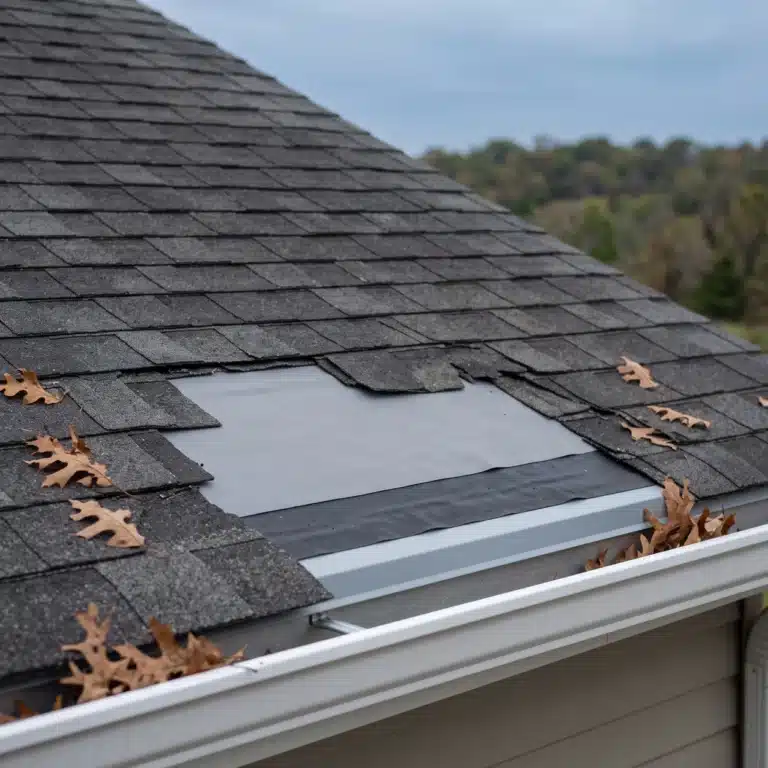
Look up at the roof surface on each side of the home. Note any areas where shingles appear to be missing, lifted at the edges, or cracked along their surface. Look for sections where the roofline looks uneven or slightly bowed. Look at the valleys, the channels where two roof slopes meet, for debris accumulation or shingles that appear to have shifted.
Scan the yard for physical evidence. Shingle pieces or tabs on the ground confirm a wind event reached the roof. Granule piles at the base of downspouts, the gritty material that looks like coarse sand, indicate that the shingle surface is shedding faster than normal. Either of these is worth a follow-up inspection.
Our roof repair services team handles targeted post-winter repairs, and a free roof inspection from Teague gives you a professional assessment of anything this ground check turns up.
| What You See | What It Might Mean | Next Step |
|---|---|---|
| Missing shingles on any slope | Wind lifted or cracked shingles off the surface | Schedule inspection within the week |
| Sagging or uneven ridge | Decking or structural issue below the surface | Call for professional inspection promptly |
| Shingle pieces on the ground | Wind event caused physical damage to the roof | Document and call for inspection |
| Heavy granule accumulation at downspouts | Shingle surface degrading faster than normal | Add to inspection agenda; may indicate aging or hail damage |
Step 2: Gutters, Downspouts, and Roof Edge
Once you have completed the ground-level roof check, move your attention to the gutters and downspouts. This step is as important as the roof surface check, because gutters that do not function correctly create water damage that starts at the roof edge and works inward.
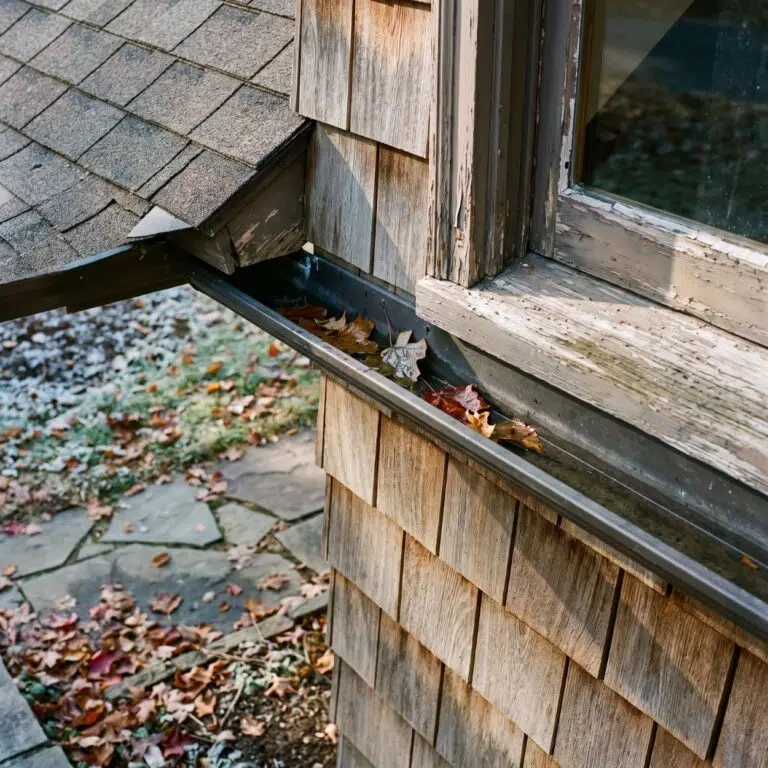
Clean gutters and downspouts of all leaves, twigs, and debris that accumulated over the winter. Look inside each gutter run for shingle granules, which collect at the low point of each run and in the gutters during any significant rain event. Heavy granule accumulation inside the gutters is another indicator that your shingle surface is shedding.
Make sure each downspout flows freely by flushing it with a garden hose. Confirm that the discharge point at the base of each downspout moves water several feet away from the foundation. Look at the gutter attachment points along the fascia for sections that have pulled away, sagged, or separated from the fascia board.
Gutter installation and gutter repair are part of Teague’s spring exterior services. If the gutters need more than cleaning, our team handles the full range from minor re-fastening to complete replacement.
| Item | What To Check | Why It Matters |
|---|---|---|
| Gutters | Debris cleared; no sagging or separation from fascia | Clogged or sagging gutters overflow onto siding and foundation |
| Downspouts | Flows freely; discharge point away from foundation | Blocked downspouts create water backup at the roof edge |
| Drip edge | Visible and intact along eaves and rakes | Drip edge directs water into the gutter and prevents fascia saturation |
| Fascia | No staining, soft spots, or rot behind the gutter line | Fascia rot indicates chronic overflow has been reaching the wood |
Step 3: Attic, Ceilings, and Interior Signs
Some of the most useful information about your roof’s condition comes from inside the home. Interior signs often appear before any exterior damage becomes visible, and they sometimes indicate problems that a ground-level check cannot see.
From the attic hatch, use a flashlight and look slowly along the underside of the decking for dark staining, soft areas, or any visible moisture. Staining on the rafters or decking is evidence that water has moved through the roof at that point. Look at the insulation surface for wet or compressed areas, which indicate water has reached it. Check that soffit vents along the eave are visible and clear, and that insulation has not been pushed against them, which would block the airflow the ventilation system depends on.
Inside the living space, look at the ceilings on the top floor for any staining that appeared over winter. A new ring or discoloration, especially near an exterior wall or where the ceiling meets the wall, often indicates that water entered the roof assembly during a winter event and traveled before becoming visible.
Any interior sign that appears new should prompt a call for a professional inspection. Our Springfield roofing company team has inspected attic conditions on thousands of SW Missouri homes and knows what winter moisture and active leak patterns look like.
| Area | Sign | Possible Cause |
|---|---|---|
| Attic decking | Dark staining, soft spots, or visible moisture | Water entered through the roof assembly at some point during winter |
| Attic insulation | Damp, compressed, or discolored sections | Water reached the attic level from above |
| Ceiling surfaces | New rings or staining, especially near exterior walls | Active or past water intrusion through the roof or flashing |
| Upper interior walls | Streaking or staining near the roofline | Water traveling through the wall assembly from the roof edge or flashing |
Step 4: Flashing, Chimneys, and Roof Penetrations
This is the step that benefits most from professional eyes. Flashing, the metal pieces that seal joints at chimneys, vents, skylights, and roof valleys, is responsible for a disproportionate share of roof leaks. It is also the part of the roof that most homeowners cannot assess accurately from the ground.
IBHS roof condition guidance identifies penetrations and flashing as primary failure points that deserve close attention in any condition assessment. Freeze-thaw cycling over the winter season is particularly hard on the sealant and adhesion that holds flashing in place. A flashing joint that was tight in October may have a gap by March after several months of thermal movement.
Teague’s spring inspections specifically check the flashing at every major penetration, including chimneys, plumbing vents, HVAC equipment curbs, skylights, and ridge vents. We look for lifted edges, rust, cracked sealant, and any separation from the surrounding shingle surface. These are rarely visible from the ground, which is why a professional inspection finds issues that a ground check misses.
For the homeowner working through their own spring check, the most actionable step is to note any areas from the ground where the transition between the roof surface and a chimney, skylight, or vent looks uneven, gapped, or different from the surrounding area, and flag those for the professional inspection.
Our full range of exterior services covers flashing repair as part of any spring inspection that identifies these issues.
| Area | What Can Go Wrong | What Teague Looks For |
|---|---|---|
| Chimney flashing | Separation at base or counter-flashing lifted by freeze-thaw | Gaps, rust, lifted step or counter-flashing sections |
| Pipe boots and vent boots | Cracked rubber collar or lifted boot base | Cracked material, separation from shingle surface, visible gaps |
| Skylights | Frame separation, step flashing lifted, sealant failed | Perimeter condition, step flashing integrity, sealant state |
| Valleys | Debris accumulation, lifted shingles at channel edges | Open valley condition, shingle lift, water channeling damage |
Spring Cleaning for the Roof Surface (Within Safe Limits)
After completing your inspection checklist, some homeowners want to clear debris, moss, or algae from the roof surface. This is worth doing, with important limits.
Clearing leaves and small branches from the roof surface is a reasonable task if you can do it from the ground or from a very low, safely accessible slope. A leaf blower from the ground can clear significant debris without anyone going on the roof. For anything that requires working at height on a pitched surface, call Teague rather than creating a safety risk.
Moss and algae growth hold moisture against the shingle surface and accelerate surface degradation. Owens Corning’s roof maintenance guidance and manufacturer recommendations generally advise against pressure washing shingles at close range, which can strip granules and damage the shingle mat surface. Low-pressure rinsing from a distance, or manufacturer-approved moss and algae treatments applied carefully, are the safer approaches.
| Action | Good Idea or Bad Idea | Safer Alternative |
|---|---|---|
| Ground-level leaf blowing | Good idea for accessible areas | Stay on the ground; use extended-reach tools when available |
| Power washing shingles at close range | Bad idea | Low-pressure rinse from a distance or approved chemical treatment |
| Harsh chemical cleaners on shingles | Bad idea | Use manufacturer-approved products only; check Owens Corning guidance |
| Calling Teague for cleaning or moss advice | Always a good idea | Our team gives you accurate guidance based on your specific roof material |
How Often Should Springfield Homeowners Do a Spring Roof Check?
Most manufacturer guidance and roofing professional recommendations call for at least one or two visual roof checks per year, with spring as the primary recommended timing because it follows the most stressful weather season and precedes the most active storm season.
For homes in Springfield, Nixa, Ozark, Republic, and the surrounding area, an annual spring inspection is the minimum. Homes with older roofs, heavy tree cover that deposits debris on the roof regularly, a history of leaks, or exposure to open-sky storm corridors benefit from more frequent attention.
Teague recommends scheduling an annual professional spring inspection in addition to the homeowner’s own walk-around. The professional inspection sees what the ground-level check misses, creates dated documentation for the roof’s condition, and builds a record that supports insurance claims if a major storm hits later in the season.
FORTIFIED homeowner resources emphasize that documented maintenance and consistent inspection records are part of a resilient home strategy, not just an optional extra.
| Home Situation | Why Extra Attention Helps | Suggested Frequency |
|---|---|---|
| Roof over 15 years old | More vulnerable to cumulative winter damage; closer to replacement range | Annual professional inspection plus homeowner check after every major storm |
| Heavy tree cover | More debris accumulation; branches create abrasion and hold moisture | Spring and fall professional checks; debris clearing after major wind events |
| History of leaks in any area | Past repair areas are more vulnerable; moisture pathways may persist | Annual professional inspection with specific attention to prior problem areas |
| Recent major storm activity | Damage may have occurred without producing immediate symptoms | Professional inspection within 1 to 2 weeks of any significant hail or wind event |
Frequently Asked Questions: Spring Roof Inspection in Springfield, MO
When is the best time in spring to inspect my roof in Springfield?
March is the ideal window for most Springfield-area homes. Completing the inspection in early spring, before the active severe weather season picks up in April, means you have time to schedule any repairs before the demand surge that follows major hail events. Waiting until May means you are scheduling during the busiest repair period of the year. The DOE Energy Saver guidance on home maintenance timing reflects the same logic: address issues before the season that creates them, not after.
What roof maintenance can I safely do myself in spring?
Ground-level checks, gutter cleaning from a stable ladder, flushing downspouts to confirm flow, and clearing debris from the roof surface using ground-level tools are all appropriate for most homeowners. Anything that requires working at height on the roof surface itself belongs with a professional. The risk of falling from a residential rooftop is significant, and walking on damaged or wet shingles can worsen conditions that you were trying to assess.
How do I know if winter storms damaged my roof?
The most common visible signs are shingle pieces in the yard, heavy granule accumulation at downspouts, new ceiling stains that appeared after a winter weather event, and any section of the gutters that pulled away from the fascia. Interior signs, including staining on the attic decking or damp insulation, often show up before any exterior damage is obvious from the ground. If any of these are present, schedule a professional inspection rather than assuming the roof is fine.
Should I get a professional inspection every spring, or only if I see a problem?
Every spring, regardless of whether your walk-around turned up anything obvious. The professional inspection covers flashing, penetrations, and attic conditions that a ground-level check cannot assess. It also creates a dated record of the roof’s condition before storm season. If something does happen later in the spring, that pre-season inspection record supports a clean insurance claim by establishing what the roof looked like before the event.
What does a spring roof inspection from Teague Roofing Plus include?
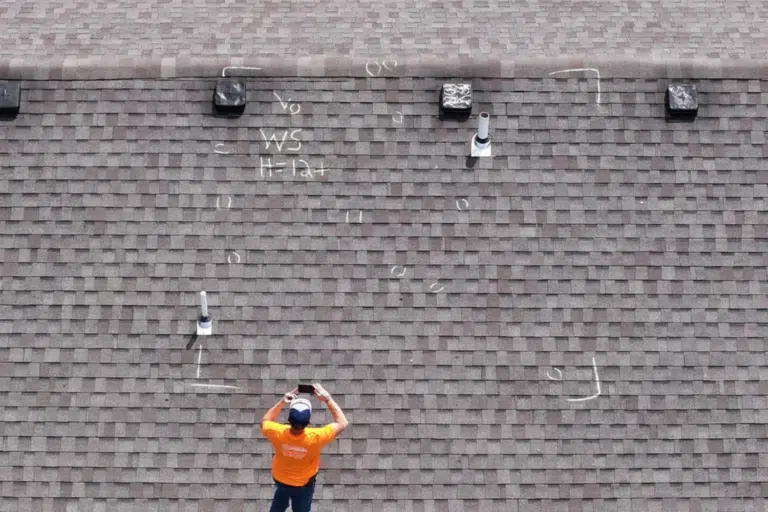
Our spring inspection covers the full roof surface slope by slope, all flashing and penetrations, gutters and downspouts, soffit and fascia condition, and the attic when accessible. We photograph every area of concern and walk you through the findings with photos before the crew leaves. You get a clear summary of current condition, any repairs we recommend, and a direct assessment of whether the roof is in good shape heading into storm season. The inspection is free and there is no obligation attached.
How does spring roof maintenance prepare my home for hail and severe storms?
A roof that goes into April with secure shingles, clear gutters, intact flashing, and no existing moisture in the assembly is significantly more resilient in the first major hail event than one with deferred maintenance. Each existing weakness, a loose shingle edge, a cracked flashing joint, a clogged valley, becomes an amplifier for storm damage. Spring maintenance does not storm-proof the roof, but it removes the vulnerabilities that turn a moderate event into a significant repair job.
Key Takeaways for Springfield Homeowners
- Spring is the right time. You are coming out of winter damage and heading into hail season. Address the first before the second hits.
- Start from the ground. A slow perimeter walk catches most visible issues without anyone climbing on the roof.
- Gutters are part of the roof system. A clogged or sagging gutter creates water damage that starts at the roof edge. Cleaning them in early spring is one of the highest-impact maintenance steps you can take.
- Interior signs matter. Attic staining and ceiling rings often appear before exterior damage is visible. Check the attic after every major winter event.
- Flashing and penetrations need professional eyes. These are where most leaks start, and they are not visible from the ground. Schedule a professional inspection to cover what you cannot.
- Annual spring inspections are worth it. They find small problems early, create documentation for insurance purposes, and put you in front of the storm season rather than reacting to it.
Want Teague to Handle Your Spring Roof Check in Springfield?
If you have not had a professional inspection since last storm season, or if your walk-around this spring turned up anything that concerns you, a free inspection from Teague Roofing Plus is the right next step. We cover the full roof, gutters, and accessible attic areas in a single visit and give you a straight answer on where your roof stands heading into April.
Teague has been catching winter damage and getting SW Missouri roofs ready for storm season since 1971. Our team knows what freeze-thaw cycling does to shingle edges and flashing in this climate, and we check the areas that matter most rather than just walking around the perimeter. Josh and the team will show you photos of everything they find and lay out a simple plan for any maintenance, repairs, or replacement conversations that need to happen before hail season arrives.
Call 417-883-7663 or contact us online to schedule your free spring inspection. We serve Springfield, Nixa, Ozark, Republic, Willard, Battlefield, Strafford, and every community across SW Missouri. Learn more about us before you call.
Teague Roofing Plus | Roofing, Siding, Windows, Gutters, and More. Serving Southwest Missouri Since 1971.