
Most hail damage on asphalt shingles is not visible from the ground. The three damage types (granule loss, bruising, and cracking) each require knowing what to look for and where. This guide gives SW Missouri homeowners a clear picture of what hail actually does to asphalt shingles, the size thresholds that matter, how to tell storm damage from normal aging, and when to call for a professional inspection.
TLDR: Hail damage has three forms, granule loss, bruising, and cracking, and bruising in particular is invisible from the ground. SW Missouri sees hail larger than the 1-inch threshold that damages standard shingles regularly. The only reliable way to know if your roof is damaged after a hail event is a professional on-roof inspection. The dented gutters are the clue, not the only evidence.
The storm passed. There is hail on the driveway. The gutters are clearly dented. You look up at the roof and it looks fine. No holes. No missing shingles. The roof must have come through okay, right?
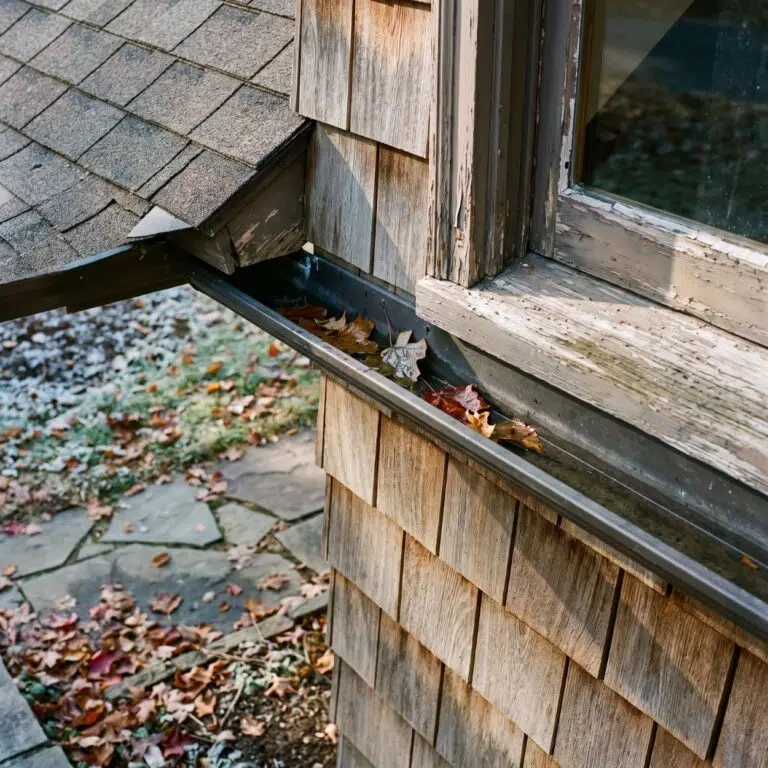
Probably not. The most common and most expensive form of hail damage, mat bruising, is invisible from the ground. Granule loss is barely visible without binoculars. The roof that “looks fine” from the street may have sustained damage that will cause leaks in 12 to 24 months, long after the insurance claim window has closed.
SW Missouri sees hail above the 1-inch damage threshold regularly. Greene County has recorded hail up to 3 inches. The dented gutters in your driveway are the clue: if soft metals are dented, the shingles probably are too. The rest of this guide covers what hail actually does to asphalt shingles and how to tell.
What Hail Actually Does to an Asphalt Shingle
The mechanism matters because it explains why the damage is so hard to spot. Hailstones do not just scrape the surface. They compress, fracture, and displace the structural layers of the shingle.
Granule Displacement
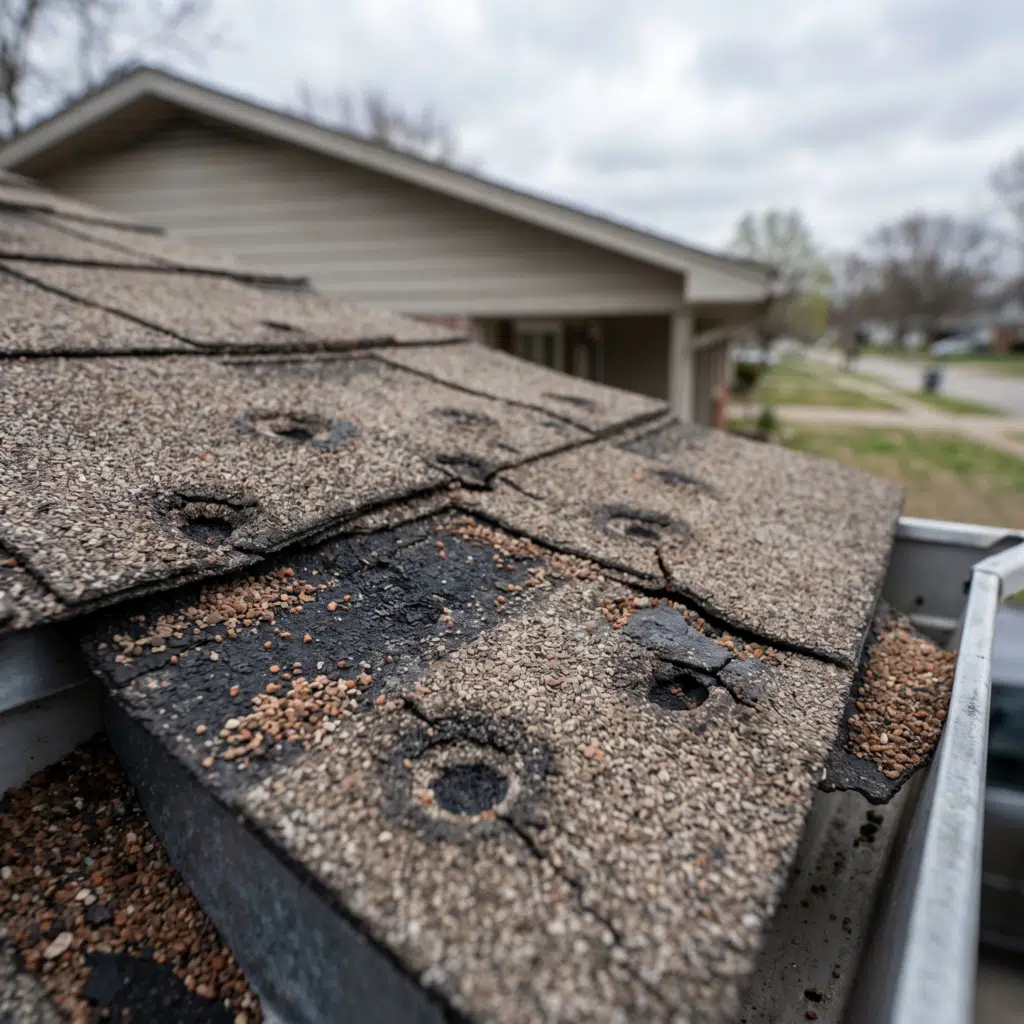
Ceramic granules are the top layer of an asphalt shingle. They protect the asphalt mat below from UV radiation, mechanical impact, and weather exposure. When a hailstone hits, it compresses the granules into the mat and knocks them loose, creating a circular or irregular dark spot. The exposed asphalt beneath is shiny when fresh, visible from the ground with binoculars on a bright day. The damage: without granules, UV degradation begins immediately. The shingle ages faster. Lifespan shortens.
Mat Bruising
Below the asphalt and granule surface is a fiberglass reinforcing mat. A hard enough impact fractures this mat without necessarily breaking through the shingle surface. The result is a “bruise.” The damaged area feels softer or spongy to the touch compared to surrounding undamaged shingles. Bruising can be entirely invisible from the ground. It requires on-roof inspection and a manual press test. A bruised shingle has reduced structural integrity. It is more vulnerable to water intrusion, wind uplift, and further damage at every subsequent weather event.
Cracking and Puncture
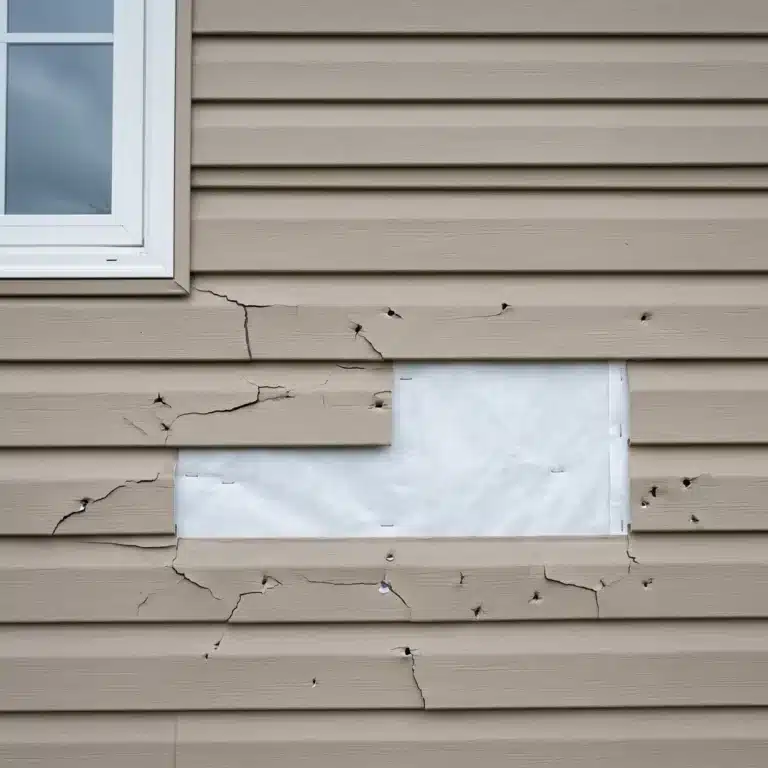
Larger hailstones or older, more brittle shingles crack on impact. Cracks from hail are typically circular or star-pattern, localized to the impact point. At severe levels, hailstones puncture completely through the shingle. These are the most visible and most urgent forms of damage, but also the least common with typical SW Missouri hail sizes. More commonly, the damage is granule loss and bruising that goes undiscovered until a leak shows up.
| Damage Type | What Happens | Visible From Ground? | Insurance Coverage |
|---|---|---|---|
| Granule displacement | Ceramic granules knocked off, asphalt mat exposed | Sometimes, look for dark bald spots or shiny patches | Yes, recognized as functional damage |
| Mat bruising | Fiberglass reinforcing mat fractured below surface | No, requires on-roof tactile inspection | Yes, functional damage per industry standard |
| Cracking and puncture | Shingle body cracks or is penetrated | Sometimes visible on close inspection | Yes, most visible and clearest claim evidence |
Bruising is the silent one, the damage that sits undiscovered for a season and then shows up as a leak. It is also the one most likely to be missed if the homeowner decides to skip the inspection because the roof “looks fine.”
Hail Size Thresholds: When Does Hail Actually Damage Shingles?
Not all hail is the same. The size of the hailstone determines whether it damages the roof and how much.
| Hail Size | Common Reference | Impact on Asphalt Shingles |
|---|---|---|
| Under 0.75 inch | Marble-size | Minimal to no structural damage on healthy shingles, may accelerate wear on aged shingles |
| 1.00 inch | Quarter-size | Damage threshold for standard 3-tab fiberglass shingles |
| 1.25 inches | Penny-size | Damage threshold for laminated architectural shingles (most SW Missouri homes) |
| 1.50 inches | Half-dollar size | Widespread granule loss, potential mat bruising on most shingle types |
| 2.00 inches | Golf ball-size | Damage threshold for Class 4 impact-resistant shingles, cracking common on standard shingles |
| 3.00 inches | Baseball-size | Severe damage to all shingle types, structural risk, Greene County maximum recorded size |
The energy difference between sizes is exponential, not linear. A 1-inch hailstone strikes with about 0.38 ft-lbs of energy. A 2-inch stone delivers 2.4 ft-lbs, six times greater force. That is why a half-inch increase in hail size produces dramatically more damage.
SW Missouri sees hail regularly in the 1 to 2 inch range during peak storm season (April through June). Greene County’s recorded maximum of 3 inches means the worst events here produce hailstones that exceed even Class 4 impact resistance thresholds. At that size, every shingle type takes damage. The question is degree, not whether.
Aged shingles have lower impact resistance than newer ones. Research published through industry building science journals shows that 11-year-old asphalt shingles were damaged 50% of the time by 1-inch hailstones, the same stones that caused no damage on newer shingles of the same type. If your roof is older than 10 years, the damage threshold is lower than the chart suggests.
Pro Tip: After any hail event, check the NWS Springfield storm event data for your address. If the reported hail size at or near your home was 1 inch or larger, get a professional inspection regardless of what the roof looks like from the ground.
Hail Damage vs. Normal Wear: How to Tell the Difference
This distinction matters for insurance purposes. Hail damage is a covered storm event. Normal wear is expected deterioration and is not covered. Adjusters are trained to tell the difference. So should homeowners.
| Hail Damage | Normal Wear and Tear | |
|---|---|---|
| Pattern | Random, scattered, localized to impact points | Uniform, consistent across large areas |
| Development | Sudden, appears after a specific storm event | Gradual, develops over seasons and years |
| Granule loss | Circular or irregular dark spots, fresh asphalt exposure | Even thinning across all shingles, matte/oxidized exposure |
| Cracks | Circular or star-pattern at impact points | Linear, along shingle length, consistent across many shingles |
| Metal surfaces | Dented in a directional, scattered hail pattern | Rust, oxidation, fading, no dent pattern |
| Timeline of damage | Tied to a specific storm date via NWS records | Cannot be tied to a single event |
The most important column is timeline. If the damage can be connected to a specific storm date via NWS records, it is a potential insurance claim. If it developed gradually over years, it is maintenance. A professional inspection separates the two.
Causes of Granule Loss That Are Not Hail
Several other causes can be confused with hail damage:
- UV weathering and aging
- Foot traffic from previous inspections or repairs
- Tree abrasion
- Bird activity
- Blistering from manufacturing defects
- Mechanical scuffs during installation
These causes produce granule loss in a different pattern from hail. Adjusters compare exposed surface conditions to determine whether hail was capable of producing the observed damage at that site. This is why a professional inspection, not just a homeowner walkthrough, matters for an accurate assessment.
Pro Tip: If you are not sure when a specific granule-loss spot appeared, photograph the entire roof today and date-stamp the folder. The next time a storm hits, you have a pre-storm baseline that proves the damage is new. This documentation system takes 15 minutes and is worth keeping current.
What to Do After a Hail Event in SW Missouri
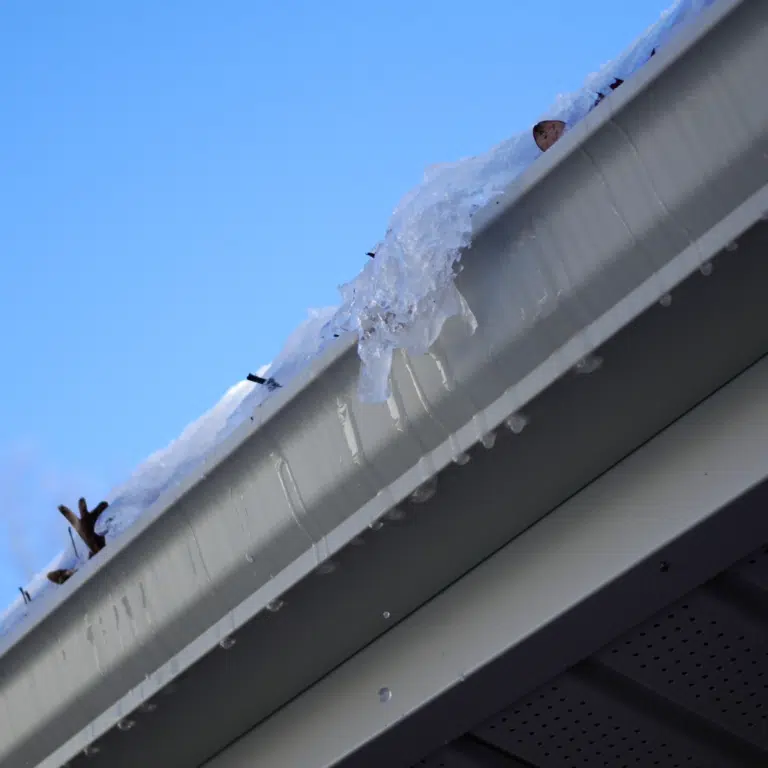
- Check soft metals first from the ground. Walk around the property and look at gutters, downspouts, AC fins, and vent caps. If those surfaces are dented in a scattered, directional pattern, the roof almost certainly took hits too, even if nothing is visible on the shingles from street level.
- Note the storm date and hail size. Pull the storm report from NWS Springfield. If the reported hail at or near your address was 1 inch or larger, your next step is a professional inspection, not a wait-and-see approach.
- Call us for a free inspection before contacting your insurer. A free roof inspection produces independent, written documentation of damage before the insurance company is involved. This documentation protects your claim from the start.
- Document the scene from the ground. Photograph soft metals, any shingles in the yard, and anything visible on the roof surface. Photograph the gutters for granule buildup. Significant granule accumulation in gutters after a storm is strong evidence of shingle impact.
- Do not make any repairs before the adjuster inspection. If temporary protection is needed (active leak or exposed decking), call us for emergency tarping. Document before and after any temporary work.
Pro Tip: Look at your gutters after every hail event. A large accumulation of granules in the downspout or at the base of a downspout extension after a storm is one of the clearest signs that shingles took significant hits, even if nothing is visible from above.
For the full inspection process, including what an inspector looks for once they are on the roof, see our hail damage roof inspection guide.
When Is Hail Damage Severe Enough to File a Claim?
Not every hail event warrants a claim. Here is a practical framework:
- If hail was at or above the damage threshold for your shingle type (1 inch for 3-tab, 1.25 inches for architectural), get an inspection. The inspection determines whether there is claimable damage, not your ground-level view.
- If soft metals are dented, file. Soft metal damage is independent evidence of hail impact density that adjusters recognize as confirmation. If the gutters and AC unit took hits, the shingles almost certainly did too.
- If your roof is 10+ years old, the damage threshold is lower because aged shingles are more brittle. A hail event that would not affect a new roof may cause claimable bruising on an older one.
- Filing a claim is not automatic. The inspection determines whether the damage meets the threshold for your carrier’s coverage. Our insurance claim assistance is included with every inspection at no extra charge.
- Remember your wind/hail deductible. If damage is minor and repairs cost less than your deductible, a claim may not make financial sense. The free inspection helps you understand the scope before you commit.
Illustrative scenario: A homeowner in Republic experienced a 1.5-inch hail event in May. He checked from the ground after the storm. The gutters were dented but the roof “looked fine” from the driveway. He nearly skipped the inspection. Two weeks later, out of caution, he called us. Our team inspected the roof and found mat bruising across the rear slope and ridge cap displacement on the highest section, neither visible from the ground. He filed his claim with our written report attached. Our team met the adjuster on site, the full scope was documented across both slopes, and the carrier approved replacement. He chose Owens Corning Class 4 impact-resistant shingles for the new roof. Total time from initial call to completed roof: about five weeks.
Why Class 4 Shingles Change the Conversation After a Hail Event
Standard laminated architectural shingles (the most common type on SW Missouri homes) hit their damage threshold at 1.25 inches of hail. Class 4 impact-resistant shingles require approximately 2-inch hailstones to reach their limit under ASTM D3161 testing standards. In a region that regularly produces 1 to 2 inch hail during storm season, that difference is significant.
If the current hail event is going to result in a full replacement, the material upgrade conversation starts at replacement time, not later. Teague Roofing Plus is an Owens Corning Platinum Preferred Contractor, a designation held by less than 1% of roofers nationally, with access to Class 4 impact-resistant Owens Corning shingles and the enhanced warranty programs that come with that designation. Some Missouri insurance carriers offer premium discounts for Class 4 materials. Worth asking your insurer about during the free inspection.
Pro Tip: If your current roof is at year 10 or older and you are dealing with a hail claim, ask specifically about Class 4 shingles during the inspection. The cost difference at replacement time is typically modest, but the protection difference (and potential insurance discount) compounds over the next 25 to 30 years.
Frequently Asked Questions
How do I know if hail damaged my roof if I cannot see anything from the ground?
You often cannot. Granule loss is barely visible without binoculars and mat bruising is entirely invisible without an on-roof inspection. The most reliable indicator from the ground is dented soft metals (gutters, AC fins, vent caps). If those are dented, the shingles almost certainly took hits too. Get a professional inspection to confirm.
What size hail damages asphalt shingles?
Standard 3-tab shingles begin sustaining damage at about 1 inch of hail. Laminated architectural shingles, the most common type on SW Missouri homes, hit their threshold at 1.25 inches. Class 4 impact-resistant shingles can withstand approximately 2 inches before damage occurs. Aged shingles have lower thresholds across all types.
What is shingle bruising and does insurance cover it?
Bruising is fracture of the fiberglass reinforcing mat below the shingle surface. The damaged area feels softer or spongy compared to surrounding shingles. It is invisible from the ground. Yes, bruising is covered as functional damage under standard homeowners wind and hail peril, even though the visible surface may look intact.
What is the difference between hail damage and normal roof wear?
Hail damage is random, scattered, and tied to a specific storm date. Normal wear is uniform and develops gradually over seasons and years. Hail produces circular impact patterns and fresh asphalt exposure where granules are knocked loose. Normal wear produces even thinning and matte oxidation across the whole roof.
My gutters are dented but the roof looks fine, should I still get an inspection?
Yes. Dented soft metals are one of the clearest indicators that hail size and impact density were sufficient to damage shingles. The shingle damage may be invisible from the ground, but the soft metal evidence shows the storm produced hits at or above the damage threshold for your roof. Get the inspection.
How long do I have to file a hail damage claim in Missouri?
Missouri generally allows up to two years from the storm date to file a property damage claim, but many policies impose shorter internal windows of 60 days to one year. The longer you wait, the harder it becomes to tie damage to a specific storm. File as soon as you have a professional inspection report.
Can hail damage a newer roof?
Yes. Hail at or above the damage threshold for the shingle type will damage even a brand-new roof. The threshold for standard architectural shingles is 1.25 inches. SW Missouri regularly sees hail at and above that size during storm season. Newer roofs are more resistant than older ones, but they are not immune.
What is granule loss and why does it matter?
Granules are the protective ceramic top layer of an asphalt shingle. They protect the asphalt mat from UV radiation. When hail knocks granules off, the asphalt is exposed and UV degradation begins immediately, accelerating shingle aging. Granule loss is functional damage even when no other visible damage exists.
What is Class 4 impact-resistant shingles and how are they different from regular shingles?
Class 4 is the highest impact-resistance rating under ASTM D3161 testing. The shingles are engineered with reinforced mats and modified asphalt blends to resist hail up to about 2 inches. Compared to standard architectural shingles (1.25-inch threshold), Class 4 provides a meaningful protection upgrade in regions with frequent severe hail.
How does Teague Roofing Plus inspect for hail damage?
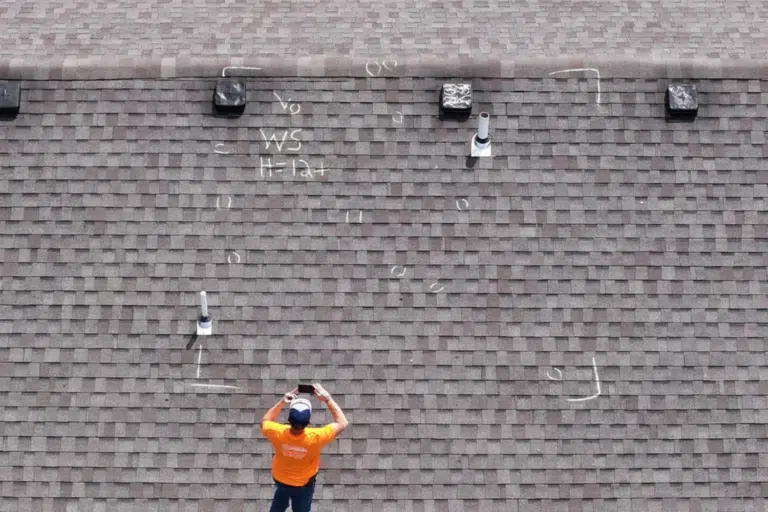
Our inspectors get on the roof, mark test squares on each slope, photograph close-up evidence of granule loss and bruising, conduct tactile press tests for mat fractures, document soft metal damage, and produce a written scope-of-loss-comparable report. The inspection is free, the report is written, and we meet your adjuster on site at no extra charge.
Key Takeaways
- The Three Damage Types: Granule loss, mat bruising, and cracking. Each is functional damage and each is covered. Bruising is invisible from the ground.
- What You Can and Cannot See From the Ground: Missing shingles and clear cracks are visible. Granule loss is barely visible. Bruising is invisible without a press test.
- Hail Size Thresholds: 1 inch for standard 3-tab, 1.25 inches for architectural, 2 inches for Class 4. Aged shingles have lower thresholds across the board.
- Hail vs. Normal Wear: Hail is random, scattered, and tied to a storm date. Normal wear is uniform and gradual.
- When to Call for Inspection: If hail was 1 inch or larger, if soft metals are dented, or if the roof is 10+ years old. Do not wait for visible leaks.
- The Class 4 Upgrade Conversation: If replacement is the outcome, the material question matters. Class 4 doubles the damage threshold and may reduce premiums.
- SW Missouri Context: This region sees hail above the damage threshold regularly. Greene County has recorded 3-inch hail. Documentation windows close with time.
Want a Free Inspection to Find Out If Your Roof Took Real Damage?
You now understand exactly what hail does to asphalt shingles, what size hail matters, and why “it looks fine from the street” is not the same as “it is fine.” The only way to know for sure is a professional on-roof inspection.
Teague Roofing Plus has inspected thousands of SW Missouri roofs after hail events since 1971. We know the difference between real damage and normal wear, and we put it in writing.
What comes with calling us:
- Free on-roof hail damage inspection with a written damage report included
- Experienced inspectors on every job, with project managers running the file
- Tactile press testing for mat bruising, not just visual checks
- Owens Corning Platinum Preferred Contractor (less than 1% of roofers nationally) with Class 4 impact-resistant shingles available
- On-site adjuster meeting at no extra charge
- Thousands of roofs completed in SW Missouri
- All permits handled
We serve Springfield, Nixa, Ozark, and communities across Southwest Missouri.
Owner Josh Tessmer runs Teague Roofing Plus on the principles the company was founded on in 1971: do honest work and stand behind it.
Call 417-883-7663 or contact us online.
Teague Roofing Plus | Roofing, Siding, Windows, Gutters, and More. Serving Southwest Missouri Since 1971.