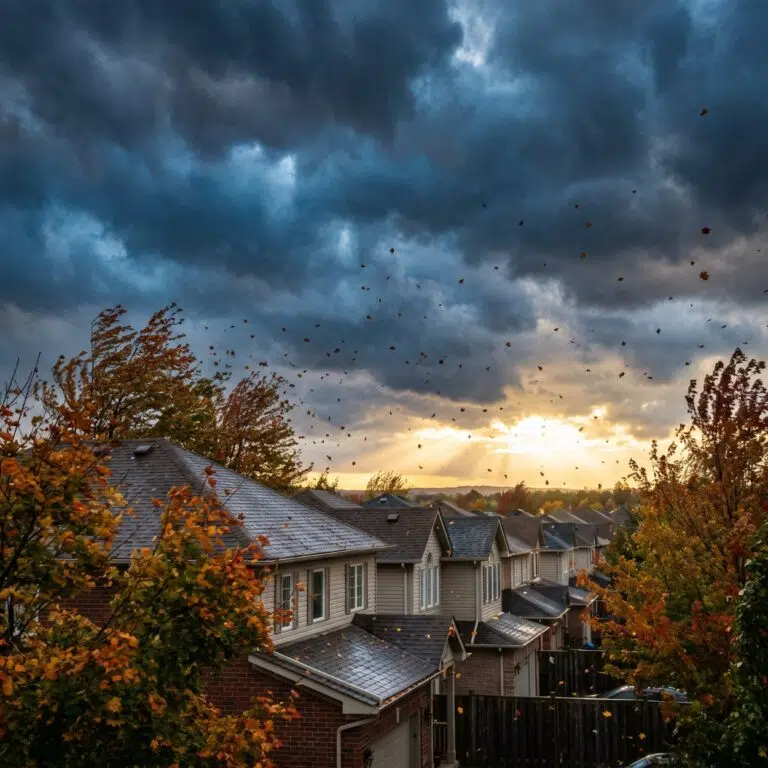

Winter prep advice usually arrives in pieces. One article about gutters, another about attic insulation, a third about siding. This guide puts the whole exterior in one place, in the order that actually makes sense, so you can work through it once rather than assembling it yourself from a dozen sources.
TLDR: Whole exterior winter prep covers five systems that affect each other: roof, gutters, attic, siding, and windows. Start with the attic, because attic heat loss causes ice dams that damage everything below it. Then work outward to gutters, roof surface, siding, and window seals before the first hard freeze.
Most homeowners approach winter prep as a list of unrelated chores. Clean the gutters. Maybe add insulation. Check the weatherstripping if there is time.
Those items are not unrelated. Attic heat loss melts snow on the roof, that meltwater refreezes in the gutters, the ice backs water under the shingles, and the water ends up in the wall behind the siding. It is one chain, and treating it as separate tasks means fixing symptoms while the cause stays in place.
Our crews handle roofing, siding, gutters, and windows across Southwest Missouri, from Springfield and Nixa down to Branson and Hollister, and we see how these systems fail together. Here is the whole exterior, in the order that works.
Why a Whole Exterior Approach Matters Before Winter
The connections are the point. Consider the most common winter damage sequence in our area.
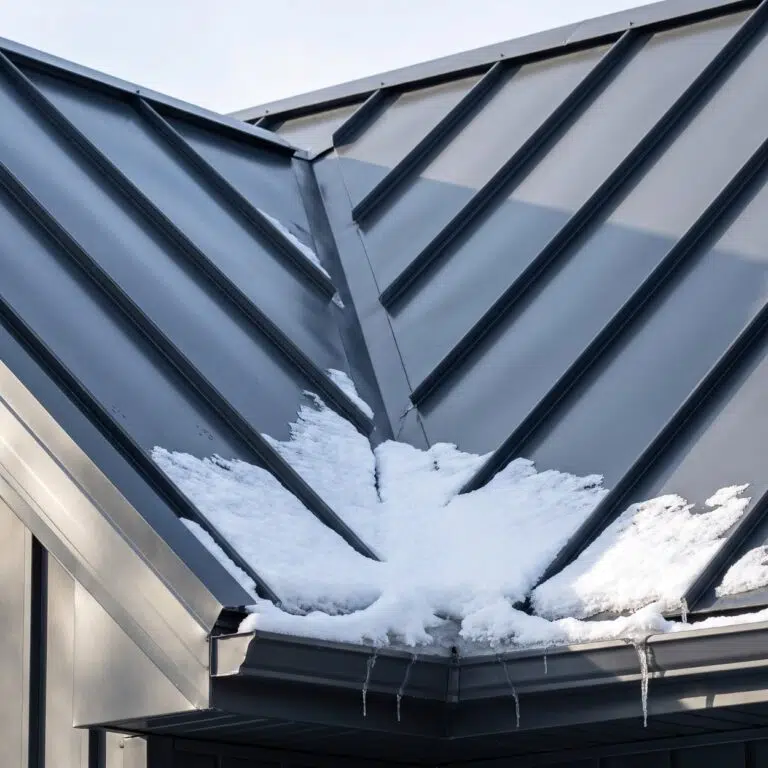
Heat escapes into a poorly sealed attic and warms the roof deck. Snow on the roof melts from underneath. The meltwater runs down to the eave, which is cold because it overhangs unheated space, and it refreezes. Ice builds up, blocking drainage. Water backs up behind the ice and gets pushed under the shingles. From there it reaches the deck, the attic insulation, the wall cavity, or the ceiling.
IBHS describes the same sequence, noting that a growing ice dam can force water under roof coverings such as shingles, from where it may reach the attic or run down the walls. Every stage of that involves a different system, and fixing only one of them leaves the chain intact. Clean gutters do not help if the attic is dumping heat. Attic work alone does not help if the gutters cannot drain.
Southwest Missouri produces the conditions for this reliably. NOAA recorded 120 separate billion dollar weather and climate disasters affecting Missouri from 1980 through 2024, most of them severe storms, and our winters cycle across the freezing point rather than staying steadily cold. You can follow current conditions through the National Weather Service office in Springfield.
Pro Tip: Work from the inside out and the top down. Attic first, then roof, then gutters, then walls and windows. That order addresses causes before symptoms.
Attic Ventilation and Insulation: Start Here
The attic is first because it causes problems everywhere else.
ENERGY STAR explains the principle: allowing a natural flow of outdoor air to ventilate the attic in winter helps keep it cold, which reduces the potential for ice damming, while proper insulation and air sealing keep attics cold by blocking heat and moist air from below.
There is one mistake that matters more than the rest. ENERGY STAR identifies blocking airflow at the eaves as the most common error homeowners make when installing insulation, and states that soffit vents should never be covered with insulation.
| Check | Good condition | Problem |
|---|---|---|
| Attic temperature on a cold morning | Close to outdoor temperature | Noticeably warm |
| Soffit vents | Clear, air moving | Buried under insulation |
| Insulation coverage | Even depth, no gaps | Thin, compressed, or patchy |
| Roof deck underside | Dry | Frost, damp, or staining |
| Ceiling penetrations below | Sealed | Gaps at fixtures and hatch |
The order of work matters here. The EPA and ENERGY STAR guidance is direct: because insulation works best when air is not moving through or around it, sealing air leaks before installing insulation is important to get the best performance. Our guide to attic ventilation and roof energy efficiency covers the assessment.
Important: If you plan to add insulation, install rafter vents at the eaves first. Adding them afterward means disturbing insulation you just placed.
Roof Checklist: What to Inspect and Fix
With the attic addressed, the roof surface is next.
| Component | What to check | Warning sign |
|---|---|---|
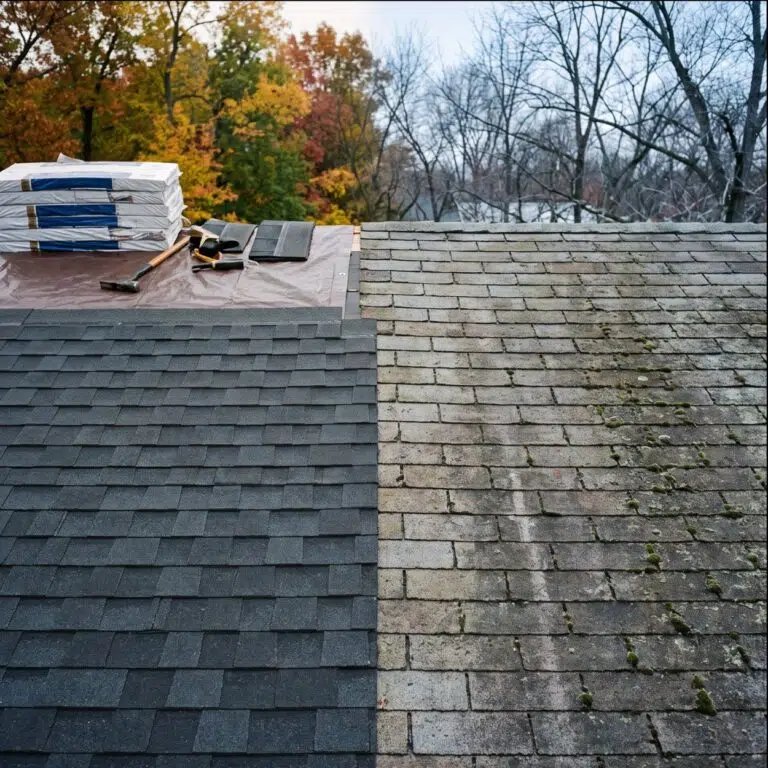
| Shingles | Curling, cracking, bald patches | Widespread wear across a slope |
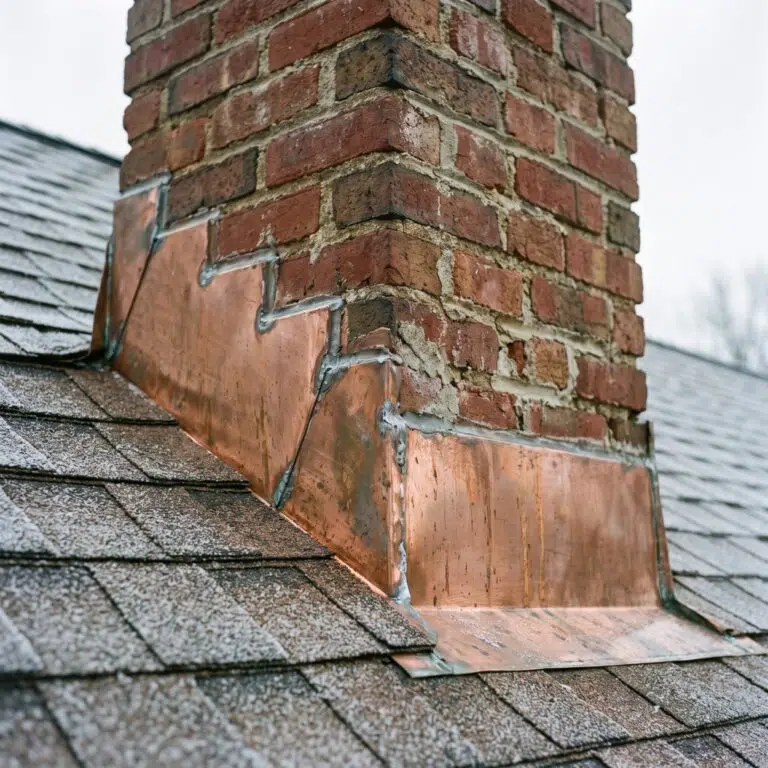
| Flashing | Chimney, vents, valleys, wall joints | Rust, gaps, lifted metal |
| Vent boots | Rubber collar at each vent stack | Cracked or split rubber |
| Roof edge and drip edge | Metal condition at the eaves | Damage, gaps, missing sections |
| Deck | Sagging or soft areas | Visible dips along the roofline |
The takeaway is that flashing and vent boots deserve more attention than the open shingle field, because that is where winter leaks actually begin. Our roof maintenance checklist for Springfield homeowners sequences this by season.
Pro Tip: Do the roof check from the ground with good light, ideally morning or late afternoon when low angle sun reveals texture and lifted edges.
Gutter and Downspout Prep
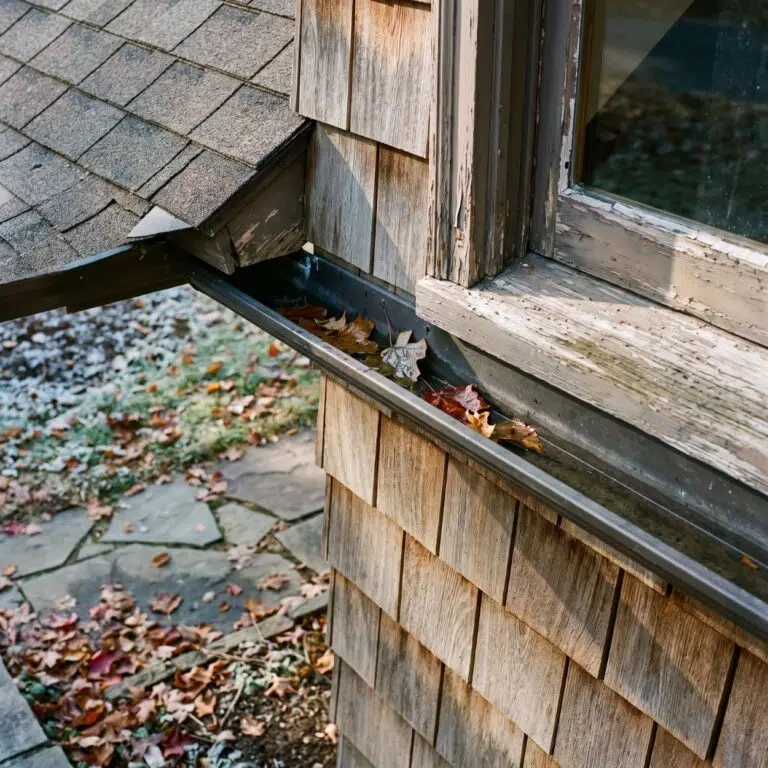
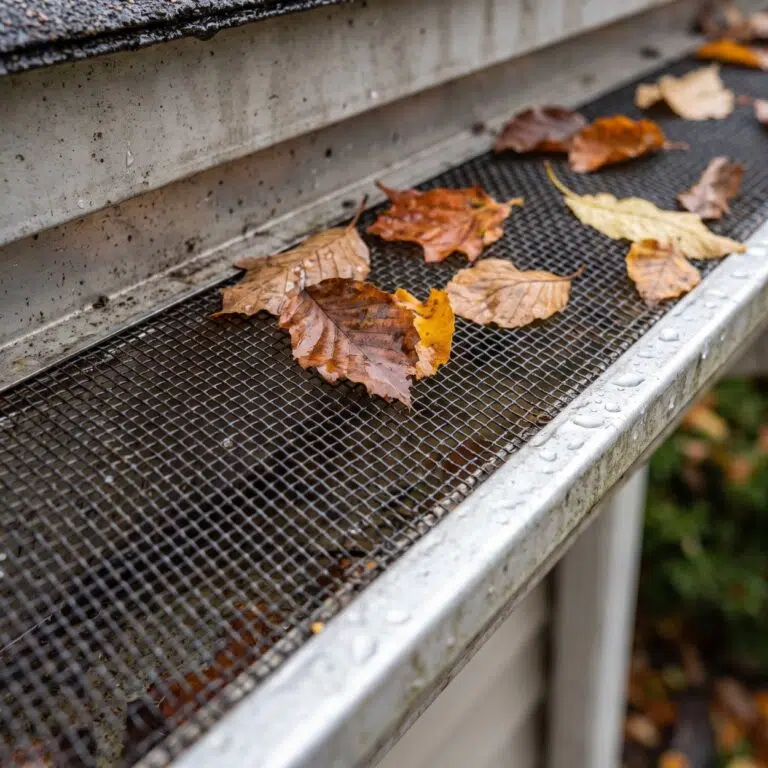
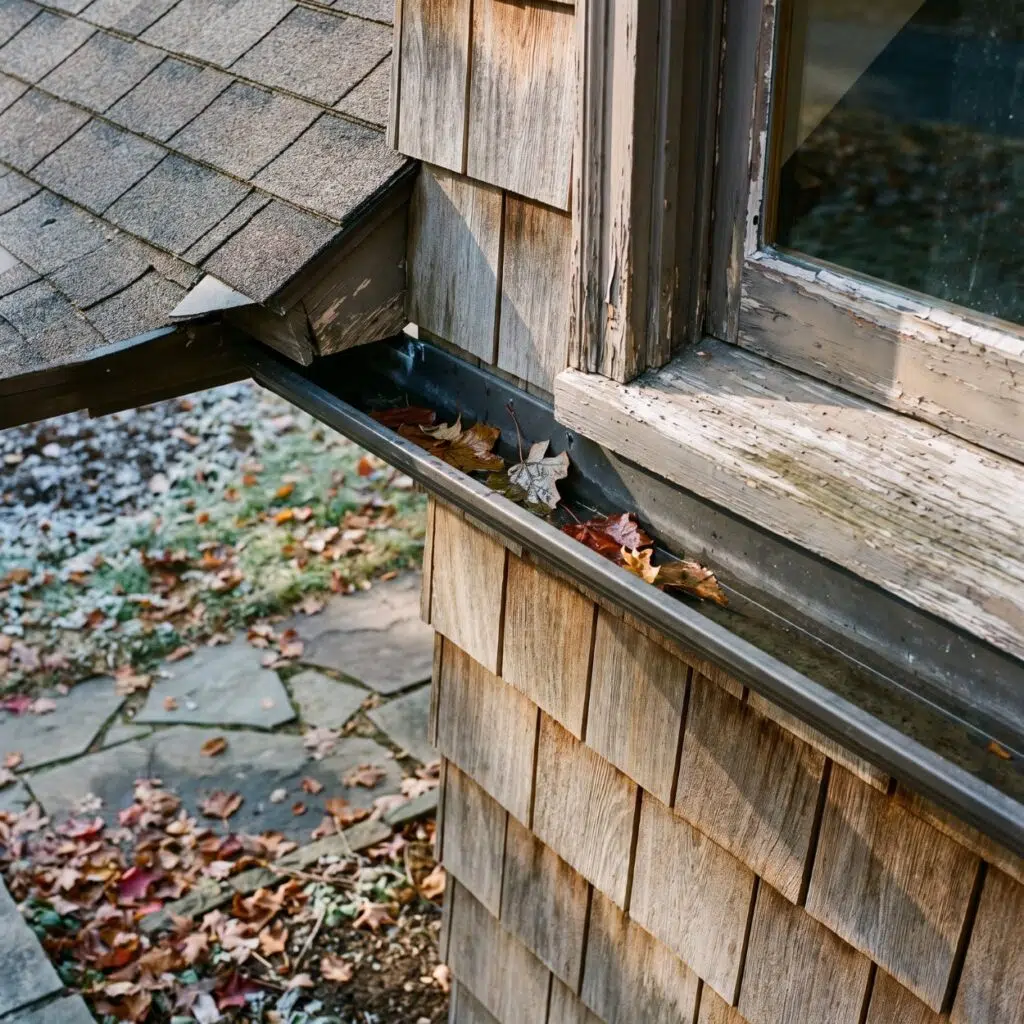
Gutters are third because they handle whatever the roof sheds, including meltwater.
The Insurance Institute for Business and Home Safety keeps this among its core cold weather recommendations, advising homeowners to clear debris from gutters and downspouts so water flows away from the home, reducing the risk of ice dams and leaks.
| Task | What confirms it is done |
|---|---|
| Clear all debris | Gutter runs visibly empty |
| Flush downspouts | Water exits freely at the bottom |
| Check for standing water | Hose test shows steady flow to the outlet |
| Verify extensions | Discharge lands well away from the foundation |
| Tighten hangers | No movement, ready for ice weight |
The takeaway is that empty is not the same as draining. Test with water rather than judging by appearance, because a clean gutter with a bad slope still holds standing water that will freeze. Our guide to gutter and downspout care covers the routine, and gutter installation is the answer when a system is past repair.
Pro Tip: Wait until leaf drop has genuinely finished before the fall cleaning. Doing it early means doing it twice.
Siding: What Freeze and Thaw Damage Looks Like
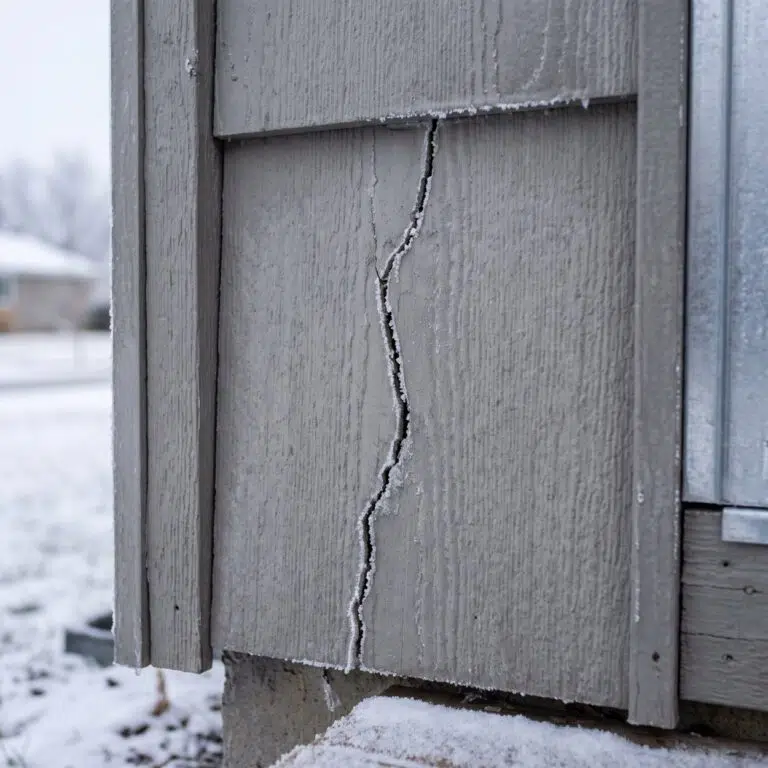
Siding sheds water rather than waterproofing, and behind it a barrier and sheathing handle whatever gets past. Winter tests that assembly.
| What to look for | What it means |
|---|---|
| Cracks or splits in panels | Water path into the wall assembly |
| Gaps at seams, corners, or trim | The most common entry points |
| Loose or lifted panels | Fasteners or substrate compromised |
| Staining or damp at the base of walls | Water is already getting behind |
| Damage around windows and doors | Sealing has failed at the openings |
The takeaway is that trim, corners, and the areas around openings fail before field panels do, and those are exactly where water gets in. Our guide on siding damage from hail and wind covers what each material shows, and siding replacement material options covers the longer term decision.
Illustrative scenario: A homeowner in Nixa found a cracked siding panel and an open seam at a corner during a fall walkaround. Both were repaired before winter. Left alone, wind driven rain and freeze and thaw cycles would have moved water into the sheathing behind that corner all season.
Windows: Sealing Before Cold Weather
Windows are the last exterior item and the easiest to check.
| Check | What you are looking for |
|---|---|
| Weatherstripping | Compressed, cracked, or missing sections |
| Caulk at exterior trim | Gaps, cracking, or separation |
| Drafts on a windy day | Air movement at the frame edge |
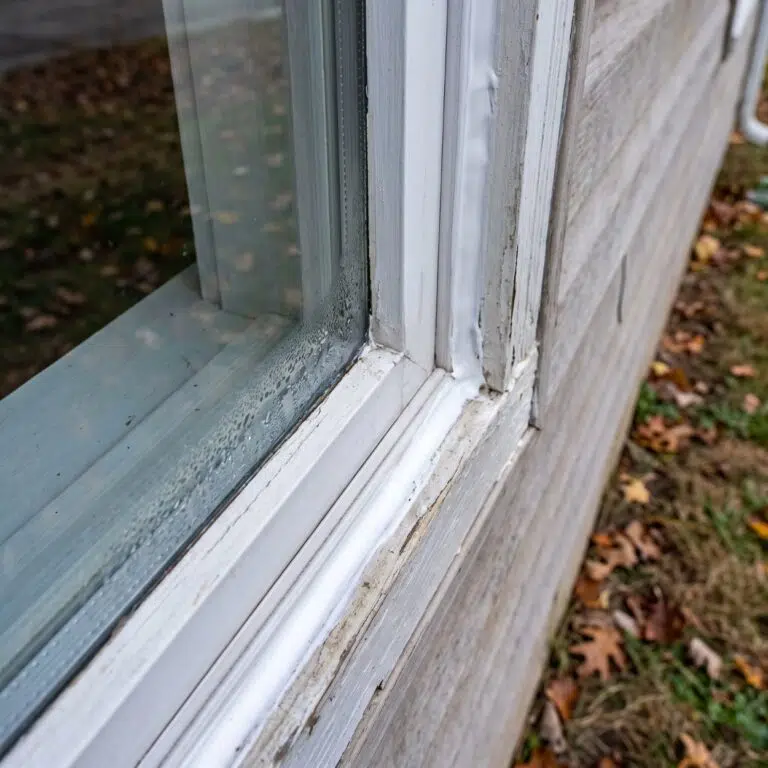
| Condensation between panes | Failed seal in a double pane unit |
| Operation | Sashes that no longer close tightly |
The takeaway is that most window heat loss comes from the seal around the frame rather than the glass itself, and that is often a caulk and weatherstripping fix. Condensation between panes is different, since it indicates a failed unit. The EPA and ENERGY STAR guidance notes that windows are an important part of the home’s envelope and recommends choosing qualified models when replacing them. Our window replacement page covers the options.
Pro Tip: Check for drafts on a genuinely windy day rather than a calm one. The difference in what you can feel is substantial.
Ice Dam Prevention Tying It All Together
Ice dams are where all five systems intersect, which is why they are the best test of whether your prep was thorough.
| System | Role in ice dam prevention |
|---|---|
| Attic air sealing | Stops warm air reaching the roof deck |
| Attic insulation | Slows heat transfer upward |
| Attic ventilation | Keeps the deck cold |
| Gutters | Give meltwater a drainage path |
| Roof flashing and edge | Limits where backed up water can enter |
The takeaway is that no single item prevents ice dams. The attic three prevent formation, and the gutters and roof edge limit the damage if one forms anyway.
Important: If you have had ice dams before, address the attic before or during any roof work. Repairing the roof while leaving the heat loss in place produces the same result next winter.
Southwest Missouri Weather Timeline: Fall Into Winter
| Period | Conditions | What to have done |
|---|---|---|
| Early fall | Mild, occasional storms | Attic work, roof repairs, inspections |
| Mid fall | Cooling, leaf drop | Siding and window checks |
| Late fall | Cold, first freezes possible | Final gutter cleaning after leaf drop |
| Winter | Ice storms, freeze and thaw cycles | Everything complete, monitor only |
The takeaway is that the usable window is shorter than most homeowners assume, and the final gutter cleaning is the one task that genuinely has to wait until late. Everything else benefits from being early.
DIY Tasks vs When to Call a Professional
| Task | Reasonable DIY | Call a professional |
|---|---|---|
| Ground level roof and siding check | Yes | If you spot damage |
| Attic inspection from inside | Yes | If you find damp, frost, or staining |
| Window caulk and weatherstripping | Yes | For failed double pane units |
| Single story gutter cleaning | Usually | Two story, steep grade, or wet conditions |
| Anything on the roof surface | No | Always |
| Flashing, siding, or insulation work | No | Always |
The takeaway is that the inspection half is largely DIY and the repair half largely is not. Knowing what you have is the valuable part.
Pro Tip: Do your own pass first and write down what you noticed. Handing that list to an inspector makes the visit far more useful than starting from scratch.
Building Your Whole Home Winter Prep Timeline
- Inspect the attic on a cold morning for warmth, frost, and blocked soffits.
- Seal ceiling penetrations and install rafter vents before adding insulation.
- Bring attic insulation to an even depth with no gaps.
- Do a ground level roof check on every slope in good light.
- Have flashing, vent boots, and valleys professionally inspected.
- Walk the perimeter and check siding, trim, corners, and openings.
- Check windows for drafts, failed caulk, and worn weatherstripping.
- Clean gutters and test drainage once leaf drop finishes.
- Confirm downspout extensions carry water away from the foundation.
- Book any professional work early, before the pre winter rush.
We serve Springfield, Nixa, Ozark, Republic, Willard, Battlefield, Strafford, Fair Grove, Rogersville, Ash Grove, Branson, Forsyth, Hollister, Marshfield, and Aurora. The full map is on our service area page.
Frequently Asked Questions
What order should I do winter exterior prep in?
Work from the inside out and the top down: attic first, then the roof surface, then gutters, then siding and windows. The attic comes first because attic heat loss causes ice dams that damage everything below. The only task that should wait is the final gutter cleaning, which needs leaf drop to finish.
How early should I start winter prep in Missouri?
Early fall for everything except the final gutter cleaning. Mild weather is when sealants cure properly and contractor schedules are open, and starting early leaves room if an inspection turns up something that needs work. Late fall compresses all of those advantages.
What is the single most important winter prep task?
Attic air sealing and ventilation, because that is what prevents ice dams. It is less visible than gutter cleaning and it addresses the cause rather than a symptom. If you can only do one thing, check whether your soffit vents are buried under insulation.
Do I need to do all of this every year?
The inspection half, yes. Checking the attic, roof, gutters, siding, and windows annually catches problems while they are small. The repair items only come up when something is found, and a home that was fully prepped last year usually needs much less this year.
How do I know if my attic is causing ice dams?
On a cold morning the attic should feel close to outdoor temperature. If it is noticeably warm, if you see frost or damp on the underside of the roof deck, or if soffit vents are covered with insulation, heat is reaching the roof. Icicles along the eaves in winter are the outdoor confirmation.
Can siding damage really cause problems inside my walls?
Yes. Siding sheds water rather than waterproofing, and a barrier and sheathing behind it handle what gets past. Cracks, open seams, or gaps at trim let wind driven rain in at volume, and it can reach sheathing and framing without any interior sign until the damage is substantial.
Is window condensation a sign I need new windows?
It depends where the condensation is. Moisture on the interior surface usually indicates humidity levels rather than a window fault. Condensation between the panes of a double pane unit means the seal has failed, and that generally does mean the unit needs replacing.
Should I hire one company for roof, siding, gutters, and windows?
It is not required, but it helps when the systems interact, which they do in winter. A contractor looking at the whole exterior can connect an attic problem to the ice at your gutters and the stain on your ceiling. Separate contractors often each see only their piece.
What if I find a problem too late in the season?
Call anyway rather than waiting until spring. Many repairs remain workable well into the season, and even a temporary measure is better than leaving an active water path through winter. An active leak should always be treated as urgent regardless of the date.
Key Takeaways
- The systems are connected: Attic heat causes ice dams, which damage roof, gutters, and walls together.
- Fixing one piece leaves the chain intact.
- Work causes before symptoms.
- Start with the attic: Air sealing, insulation, and ventilation prevent the whole sequence.
- Never cover soffit vents with insulation.
- Seal air leaks before adding insulation.
- Test gutters, do not just clean them: Empty is not the same as draining freely.
- Use a hose to find low spots that will hold ice.
- Wait for leaf drop to finish before the final cleaning.
- Check trim, corners, and openings on walls: Those fail before field siding does.
- Wind driven rain enters at seams and around windows.
- Damage there reaches sheathing without interior signs.
- Inspection is DIY, repair usually is not: Knowing what you have is the valuable half.
- Ground level and attic checks are safe and useful.
- Anything on the roof surface should be handed off.
Get Your Whole Exterior Checked Before Winter
If you would rather have one team look at the roof, gutters, siding, windows, and attic together than piece it out, that is exactly what a free inspection covers. There is no cost, no obligation, and you keep the documentation either way.
Teague Roofing Plus has protected Southwest Missouri homes since 1971, handling roofing, siding, gutters, and windows, which means we can connect what is happening in your attic to what is happening at your gutters. We are an Owens Corning Preferred Contractor, BBB A+ rated since December 2019, and a Nextdoor Neighborhood Favorite in 2022 and 2024. A whole exterior inspection includes:
- Attic ventilation, insulation, air sealing, and moisture
- Every roof slope, plus flashing, vent boots, and valleys
- Gutters, downspouts, drainage testing, and fascia
- Siding, trim, corners, and the areas around openings
- Windows checked for seal and weatherstripping condition
- Photo documentation you keep, whether you hire us or not
- Permits handled by our team on every job
Call Teague Roofing Plus at 417-883-7663, book a free roof inspection, or reach our team through the contact page to get on the schedule before the first freeze.
Teague Roofing Plus, Roofing, Siding, Windows, Gutters, and More. Serving Southwest Missouri Since 1971.