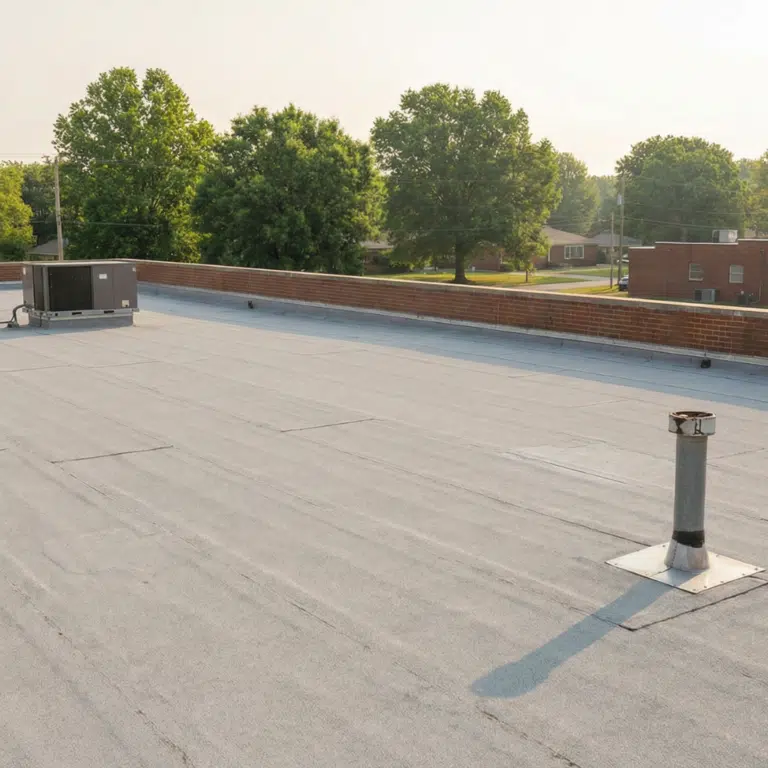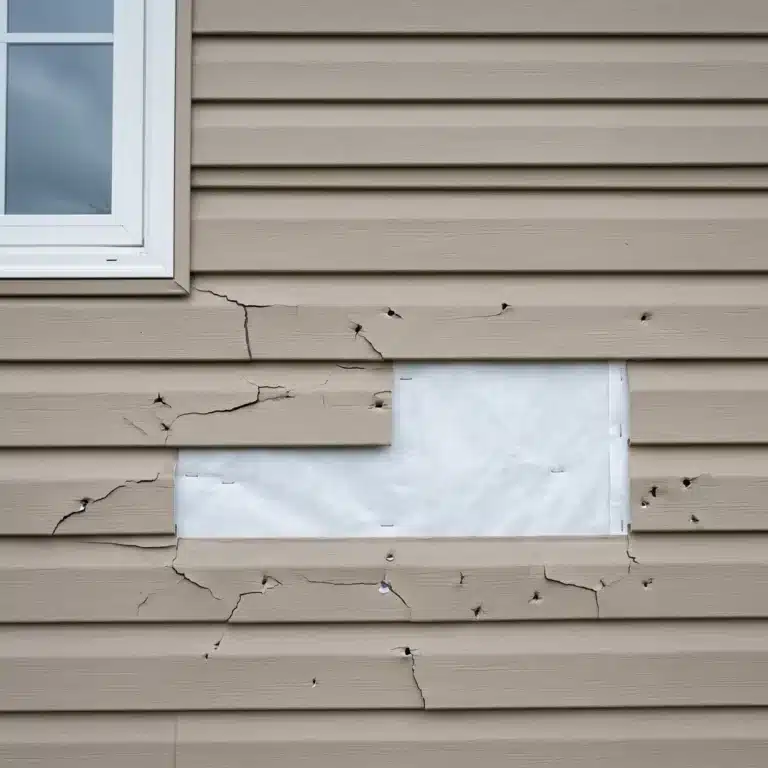

You know the roof needs replacing. What you have not settled is whether to commit to a roof replacement now or wait out the winter and handle it next spring. Both are defensible, and the right answer depends on your roof’s current condition more than on the calendar. Here is the framework.
TLDR: Replace in fall if the roof already has active damage, since winter expands every existing problem and freeze and thaw cycles do not pause for your schedule. Waiting until spring is reasonable for a roof that is merely aging without leaks. Fall generally offers better scheduling and working conditions than spring storm season does.
Roof replacement is a large enough project that postponing it feels responsible. There is always a reason next season would be easier.
The trouble is that a roof does not sit still while you decide. If it is genuinely sound and just old, waiting costs you very little. If there is already damage, winter is the most expensive possible time to leave it in place.
Our crews handle replacements across Springfield, Marionville, and Bolivar year round, and this exact question comes up every fall. Here is how to think it through.
Why Timing a Roof Replacement Matters
Two things change with the season: the condition your roof endures while you wait, and the conditions crews work in when the job happens.
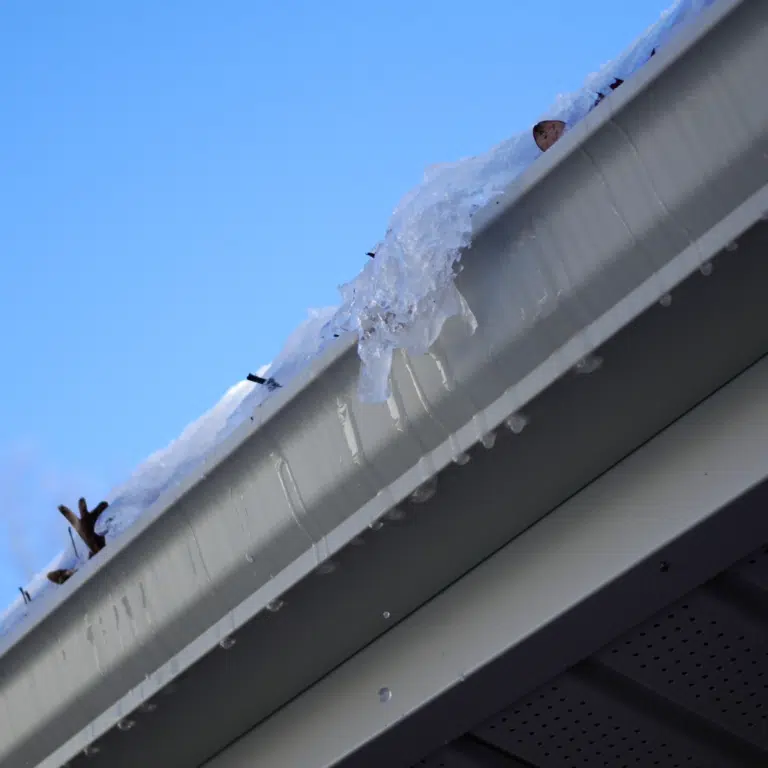
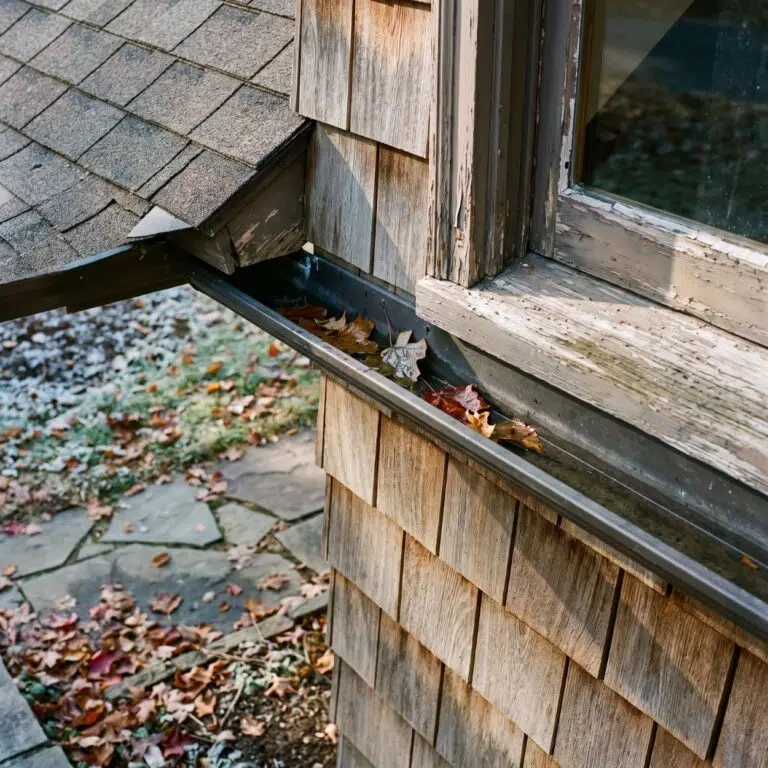
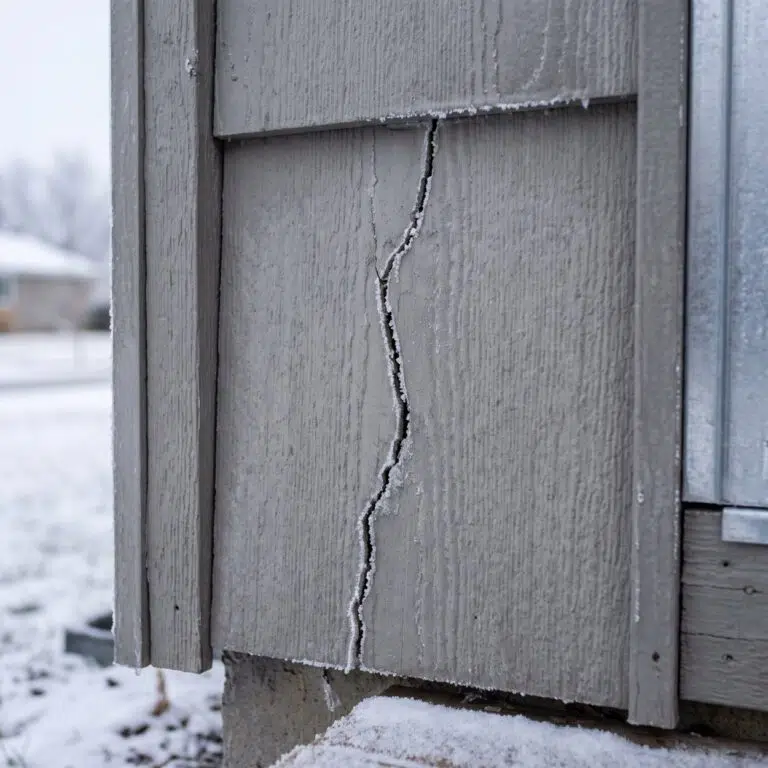
Winter is the harder season for an aging roof. Water sits as snow and ice rather than running off, temperatures swing across freezing repeatedly, and ice dams push water upward under shingles. A gap that shed autumn rain without issue gets worked on all winter.
The installation side matters too. Asphalt shingles have sealant strips that bond with warmth, and mild weather produces a better result than cold. That is an argument for acting in early fall rather than late.
Southwest Missouri gives roofs plenty to handle. NOAA recorded 120 separate billion dollar weather and climate disasters affecting Missouri from 1980 through 2024, the majority severe storms, and that cumulative exposure is what shortens roof life here.
Pro Tip: The question is not which season is better in the abstract. It is whether your specific roof can safely wait, and that depends on whether it currently has damage or is simply old.
Fall Replacement: Pros and Cons
| Advantage | Trade off |
|---|---|
| Roof enters winter sound, no freeze and thaw damage | Scheduling tightens as homeowners rush before cold |
| Mild weather helps shingle sealant bond properly | Late fall risks weather delays |
| Avoids competing with spring storm damage demand | Less flexibility if you want to compare many quotes |
| Interior damage risk eliminated for the winter | Requires deciding on a shorter timeline |
The takeaway is that fall replacement front loads the decision and removes winter risk entirely. It works best when started in early fall rather than late, when weather windows narrow.
Spring Replacement: Pros and Cons
| Advantage | Trade off |
|---|---|
| More time to plan, compare, and budget | Roof endures a full winter of freeze and thaw first |
| Consistently workable weather by late spring | Spring storm season creates heavy contractor demand |
| Insurance claims from winter can be resolved first | Existing damage worsens through winter |
| Material choices can be finalized without pressure | Interior damage becomes possible in the interim |
The takeaway is that spring gives you planning room and costs you a winter of exposure. That trade is fine on a sound roof and poor on a damaged one.
You can track seasonal conditions for our area through the National Weather Service office in Springfield. Missouri’s peak severe weather runs April through June, which is worth factoring in. Spring replacement often means competing for crews at the same moment storm damage calls are highest. Our comparison of roof repair versus roof replacement covers the decision itself.
Weather and Material Considerations by Season
| Consideration | Fall | Spring |
|---|---|---|
| Temperature for sealant bonding | Good in early fall, marginal late | Good by mid to late spring |
| Precipitation interruptions | Moderate | Higher during storm season |
| Daylight working hours | Shortening | Lengthening |
| Material availability | Generally good | Can tighten after major storm events |
The takeaway is that early fall and late spring are the two best windows, and the worst options are late fall and the height of storm season. Standards for installation practice are maintained by industry bodies including the National Roofing Contractors Association.
Important: Specialty shingle colors and metal systems require longer lead times than standard architectural shingles. If you are considering either, that decision needs to happen earlier regardless of which season you choose.
What Happens If You Wait and a Winter Problem Develops
This is the scenario worth thinking through before choosing to wait, because it is the case where waiting turns out badly.
| Stage | What happens |
|---|---|
| Existing damage sits | Freeze and thaw widens gaps repeatedly |
| Water reaches the deck | Repair scope grows beyond the shingles |
| Interior damage begins | Ceilings, insulation, and contents affected |
| Emergency scheduling | Crew availability in winter is limited |
| Spring project is larger | The job you deferred is now bigger |
The takeaway is that waiting does not preserve the original scope. On a damaged roof it usually grows it, and the spring project you were planning for becomes a larger one plus interior repairs.
Illustrative scenario: A homeowner in Marionville had a twenty year old roof with curling on two slopes and one small active leak in September. Rather than wait, they replaced in October. The deck was still sound at that point, which kept the project to a straightforward tear off and replacement rather than including deck repair.
Pro Tip: If you are leaning toward waiting, get an inspection first specifically to check the deck. A sound deck makes waiting far more defensible than a marginal one.
Frequently Asked Questions
Is fall a good time to replace a roof in Missouri?
Early fall is one of the best windows of the year. Temperatures still support proper shingle sealant bonding, weather is generally workable, and the roof enters winter sound. The main constraint is that scheduling tightens as more homeowners try to finish before cold weather.
Is it too cold to replace a roof in late fall?
It gets harder rather than impossible. Shingle sealant strips bond best in warmth, and cold or wet days limit workable hours. Experienced crews work into the season, but earlier is better, and the first sustained freeze is the practical limit for comfortable scheduling.
Should I wait until spring if my roof is not leaking?
It is a reasonable choice if an inspection confirms the deck is sound and there is no active damage. A roof that is simply aging can usually handle another winter. A roof with existing damage is a different situation, because winter expands damage rather than preserving it.
Will waiting until spring cost me more?
It can, in two ways. Existing damage typically grows through freeze and thaw cycles, which enlarges the project scope, and spring storm season creates heavy demand that affects scheduling. On a genuinely sound roof, waiting may cost nothing.
How long does a roof replacement take?
Most residential replacements finish in one to three days depending on size, complexity, and weather. The scheduling lead time is usually longer than the work itself, particularly in fall as more homeowners try to complete work before winter.
What if it snows during my roof replacement?
Crews plan around forecasts and do not leave a roof open through weather. Work is sequenced so exposed sections get dried in before conditions change. Weather delays are more likely in late fall, which is another argument for scheduling early in the season.
Does replacing in fall affect my warranty?
Not when the work is done correctly within appropriate conditions. Manufacturer warranties generally address installation methods rather than season. What matters is that shingles are installed at temperatures where they seal properly, which is one reason early fall beats late fall.
How do I decide between repairing now and replacing in spring?
It depends on how widespread the damage is and how old the roof is. Isolated damage on a mid life roof is a reasonable repair that gets you to spring. Widespread wear on a roof past twenty years usually means paying twice. An inspection with deck photos gives you the answer.
Key Takeaways
- Condition decides, not the calendar: A sound roof can wait; a damaged one should not.
- Winter expands existing damage rather than pausing it.
- Get the deck checked before choosing to wait.
- Early fall is a strong window: Sealant bonds properly and the roof enters winter sound.
- Late fall narrows weather windows considerably.
- Scheduling tightens as cold approaches.
- Spring buys planning time at a cost: You get flexibility and a full winter of exposure.
- Storm season competes for crews April through June.
- Interior damage becomes possible in the interim.
- Waiting rarely preserves scope: A deferred project on a damaged roof usually grows.
- Deck damage changes the job substantially.
- Interior repairs are what make the difference expensive.
Get the Information Before You Decide
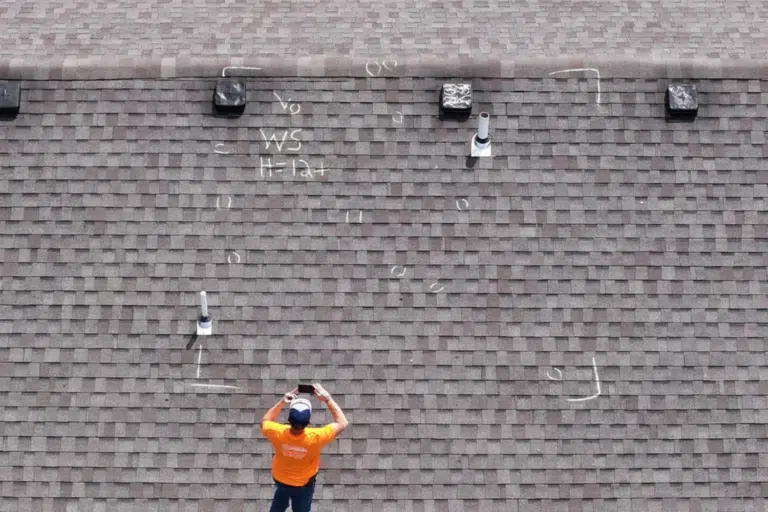
The fall or spring question is much easier to answer once someone documents what your roof actually looks like, including the deck condition you cannot see from the ground. That is what a free inspection provides, with no obligation attached.
Teague Roofing Plus has replaced roofs across Southwest Missouri since 1971, and our team tells you when waiting is genuinely fine. We are an Owens Corning Preferred Contractor, BBB A+ rated since December 2019, and a Nextdoor Neighborhood Favorite in 2022 and 2024. An inspection includes:
- Every slope assessed, with photo documentation you keep
- Deck condition where it can be accessed
- A straight answer on whether your roof can safely wait
- Material and timeline guidance if you decide to move
- Permits handled by our team on every job
Call Teague Roofing Plus at 417-883-7663, explore roof replacement across Southwest Missouri, or book roof replacement in Springfield. Our Springfield storm season roof prep guide covers the wider seasonal picture.
Teague Roofing Plus, Roofing, Siding, Windows, Gutters, and More. Serving Southwest Missouri Since 1971.