
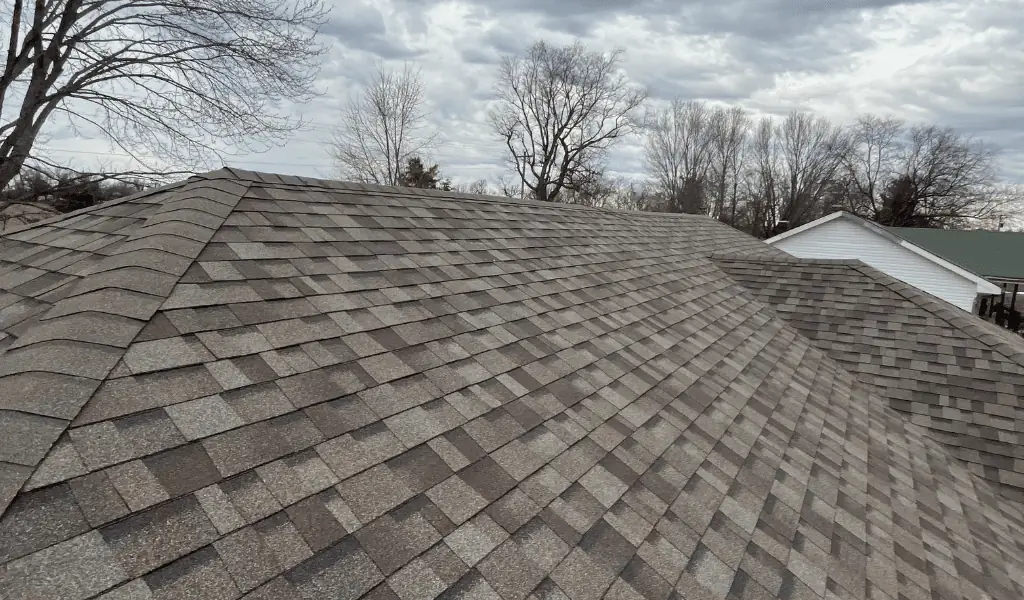
Most roof leaks do not begin with a dramatic failure. They begin with a small detail that stopped doing its job a year or two earlier. By the time water reaches a ceiling, it has usually been getting into the assembly for a while. This guide covers what actually prevents that.
TLDR: Leaks start at the interruptions in a roof, not in the open field of shingles. Flashing, penetrations, valleys and the roof edge are where attention pays off. Two inspections a year and prompt attention to small findings prevent most common leaks.
Nobody calls a roofer to prevent a leak. They call after the ceiling stains.
The frustrating part is that most of those calls trace back to something that was visible and cheap to address months earlier. A lifted piece of flashing. A cracked boot around a vent. A valley filling with debris.
Here is what to watch, and when.
Leaks start at interruptions, not in the field
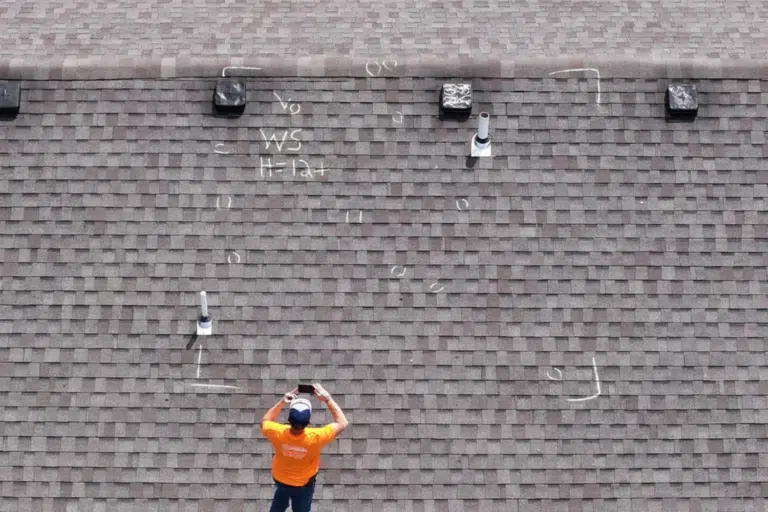
Industry roofing guidelines treat these transitions as their own detail category for exactly this reason. Shingles in the open field of a roof rarely fail first. They are doing a simple job with a lot of redundancy. The trouble starts wherever that field gets interrupted.
| Interruption | Why it leaks |
|---|---|
| Vent and pipe boots | Rubber collars crack and shrink with age |
| Valleys | Highest water volume on the roof, plus debris |
| Chimney and wall flashing | Two materials moving at different rates |
| Roof to wall transitions | Missing kickout sends water into the wall |
| Roof edge and drip edge | Wind-driven water gets behind the edge |
If you only ever look at four things, look at boots, valleys, flashing and the edge.
Important: A roof can be in good condition overall and still leak badly at one failed detail.
The maintenance that actually prevents leaks
Very little of this requires getting on the roof.
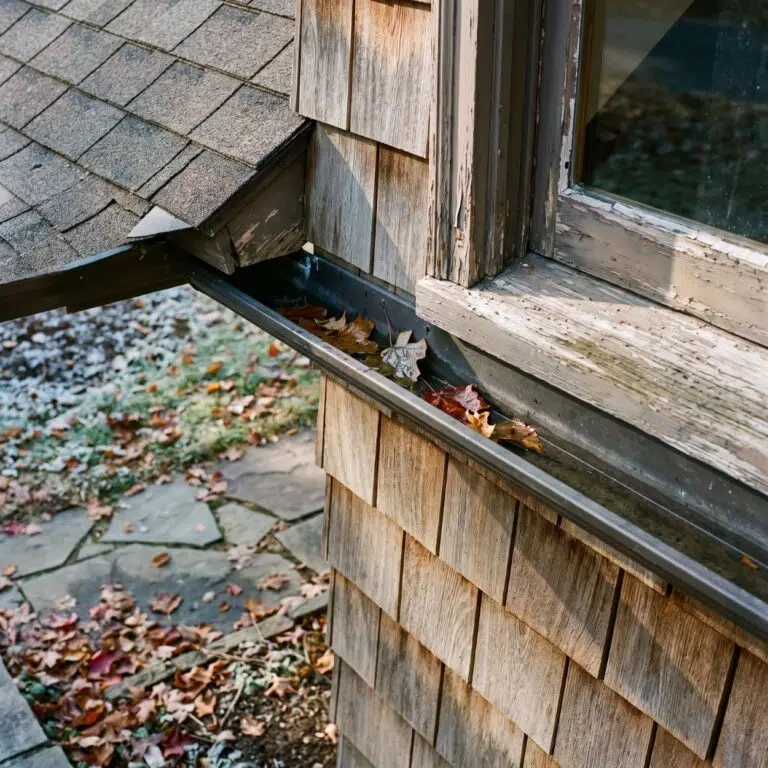
- Keep gutters and valleys clear, especially after leaf fall
- Trim branches that overhang or rub the roof surface
- Watch for granules accumulating at downspout outlets
- Check attic sheathing for staining after heavy rain
- Confirm attic ventilation is not blocked by insulation
- Have flashing and boots inspected on a schedule
The attic check is the most underused. Sheathing stains show a leak path well before a ceiling does.
Tip: Go into the attic with a flashlight after the first heavy rain of fall. Look at the underside of the sheathing around every penetration.
Ventilation prevents a problem that looks like a leak
Not all ceiling moisture comes from outside. Poor attic ventilation lets warm humid air condense on cold sheathing in winter, which drips and stains exactly like a roof leak.
Homeowners replace roofs over this. The roof was never the problem.
| Symptom | More likely cause |
|---|---|
| Stains appear only in cold weather | Condensation from poor ventilation |
| Stains appear during or after rain | Actual water entry |
| Frost on nails inside the attic | Ventilation and air sealing |
| Damp insulation with no roof damage | Interior moisture, not a leak |
Our post on attic ventilation and insulation covers how to tell these apart.
Pro tip: If the stain only appears in cold weather and never during summer storms, suspect condensation before you suspect the roof.
Southwest Missouri timing
Our year has a rhythm, and maintenance works best when it matches it.
Spring brings hail and high wind, which is when new damage appears. Summer heat ages sealants and rubber boots faster than most homeowners expect. Fall drops leaves into valleys and gutters right before the wet season. Winter freeze and thaw cycles force water into every gap that opened during the year.
That makes late spring and early fall the two moments worth scheduling. Spring catches storm damage while it is still documentable for a claim, and IBHS hail research shows why impact damage is not always visible from the ground. Fall clears debris and catches summer-aged details before winter works on them.
Homeowners scheduling roof inspection in Springfield tend to get more value from those two windows than from reacting.
Important: After any hail event, have the roof looked at even if nothing is leaking. Damage that is not documented promptly can fall outside a claim window.
A simple prevention schedule
- Late spring: inspect after storm season, document any new damage.
- Early summer: check boots and sealants aged by the first heat.
- Early fall: clear gutters and valleys before leaf drop finishes.
- Late fall: attic check with a flashlight after the first heavy rain.
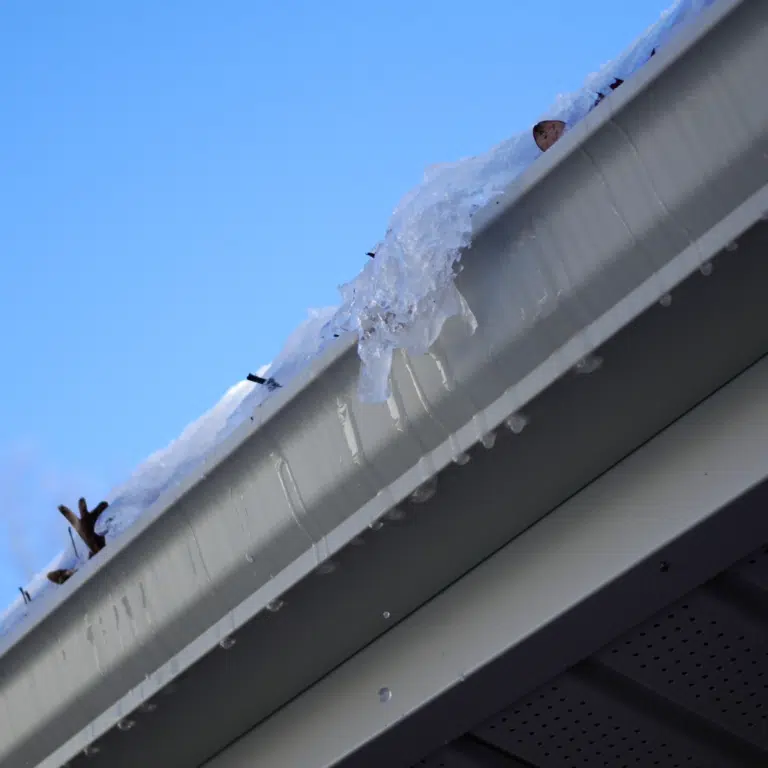
- Winter: watch for ice at the roof edge and stains that appear only when cold.
- After any hail or high wind: inspect regardless of the season.
- Keep a dated photo record of anything you decide to monitor.
Illustrative scenario: A homeowner in Battlefield notices a small stain near a bathroom vent each winter, and nothing in summer. An inspection finds no roof damage and a blocked soffit vent. Restoring airflow ends a problem two roofers had quoted as a repair.
If something is already active, our guide to temporarily stopping a roof leak covers the short term. A free roof inspection covers the actual diagnosis.
Most of the prevention work sits on a simple calendar.
| Season | What to do |
|---|---|
| Late spring | Inspect after storm season, document new damage |
| Early summer | Check boots and sealants aged by the first heat |
| Early fall | Clear gutters and valleys before leaf drop finishes |
| Late fall | Attic check with a flashlight after heavy rain |
Tip: Keep the dates of your inspections in the same place as your roofing paperwork. Continuity matters when a claim comes up.
Frequently asked questions
How often should a roof be inspected? Twice a year is a reasonable baseline for this climate, plus after any hail or high wind event. Late spring and early fall are the most useful windows. Ask for written findings you can keep.
Can I inspect my own roof? You can do a lot from the ground with binoculars and from inside the attic with a flashlight. Walking a roof is genuinely hazardous and can cause damage. Leave the on-roof work to someone equipped for it.
What are the most common leak sources? Vent and pipe boots, valleys, chimney and wall flashing, and the roof edge. The open field of shingles is rarely first to fail. Focus attention on interruptions in the roof surface.
How long do rubber vent boots last? They age with heat and sun exposure, and they are one of the most common leak sources on otherwise sound roofs. Have them checked during routine inspections rather than waiting for a stain.
Does a new roof mean no leaks for twenty years? Not automatically. Flashing details, penetrations and maintenance still matter. A new roof removes age as a factor; it does not remove the details where leaks typically start.
Why does my ceiling stain only in winter? That pattern usually points to attic condensation rather than a roof leak. Warm moist air meets cold sheathing, condenses and drips. Check ventilation and air sealing before replacing anything.
Should I clean my own gutters? Ground-level work with proper ladder safety is reasonable for many homeowners. If the roof is steep, tall, or you are not comfortable, hire it out. Clogged valleys and gutters are a genuine leak contributor.
Do gutter guards prevent leaks? They reduce debris in the gutter, which helps. They do not address flashing, boots or valleys, which cause most leaks. Treat them as one maintenance item rather than a solution.
What should I do the moment I see a stain? Photograph it with the date, note whether it grows during rain, and check the attic above it. Then get it inspected. Early documentation makes both diagnosis and any claim easier.
Key takeaways
- Leaks start at interruptions
- Boots, valleys, flashing and the roof edge, not the open field.
- Most prevention is not on the roof
- Gutters, overhanging branches, attic checks and ventilation.
- Not every stain is a leak
- Cold-weather-only stains usually mean condensation.
- Two windows matter here
- Late spring after storms, early fall before the wet season.
- Document everything
- Dated photos and written findings make claims far easier.
Catch it while it is still cheap
The difference between a small repair and a ceiling replacement is usually a few months and one inspection.
We have been finding small problems on Southwest Missouri roofs since 1971, before they became expensive ones. Owner Josh Tessmer built the business on telling homeowners when nothing is wrong.
What you get when you call:
- A free roof inspection with written findings, no obligation
- A clear list of what needs attention now and what can wait
- Honest assessment when the problem is ventilation rather than the roof
- Local crews who live here, not out-of-state storm chasers
Ready to protect your home? Call 417-883-7663 or reach out online.
Teague Roofing Plus, Roofing, Siding, Windows, Gutters, and More. Serving Southwest Missouri Since 1971.