
A leak inside a commercial building almost never sits directly below the hole. Water travels across the deck, follows structure, and shows up somewhere unrelated. That single fact is why flat roof leaks get patched repeatedly in the wrong place. This guide explains how the source actually gets found.
TLDR: On a flat roof, the wet ceiling tile rarely marks the breach. Water enters at a seam, flashing or penetration, then runs until it finds an opening in the deck. Tracing the path matters more than sealing the first suspicious spot, or you pay for the same repair twice.
A tenant reports a drip. Somebody goes up, finds the nearest blemish, seals it, and everyone moves on. It is a familiar pattern on commercial roofing work in Springfield. Three weeks later the same ceiling tile is wet again.
The repeat visits are almost never a bad patch. They are a patch applied to something that was never the source.
Here is how the process should actually work.
Why the leak is not above the stain
Low-slope roofs are designed to move water horizontally to drains. When water gets under the membrane, it keeps doing exactly that.
It travels along the deck until it reaches a fastener hole, a seam in the decking, or a joint in the structure below. That is where it falls through. The distance between entry and exit can be substantial.
| What you see | What it usually means |
|---|---|
| Wet ceiling tile | The exit point, not the entry |
| Stain along a beam line | Water followed structure before dropping |
| Damp wall below a parapet | Entry near the perimeter or coping |
| Drip at a light fixture | Exit found the easiest opening in the deck |
Treating the stain as the target is the single most common and most expensive mistake.
Important: Sealing the area above a stain without tracing the path is how buildings end up with a dozen patches and an active leak.
Where flat roof leaks actually start
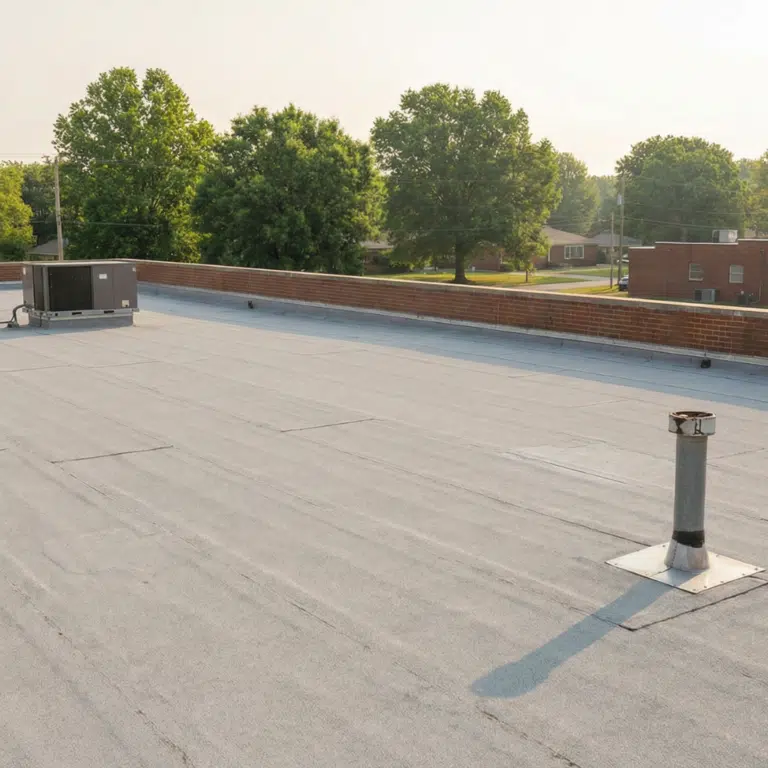
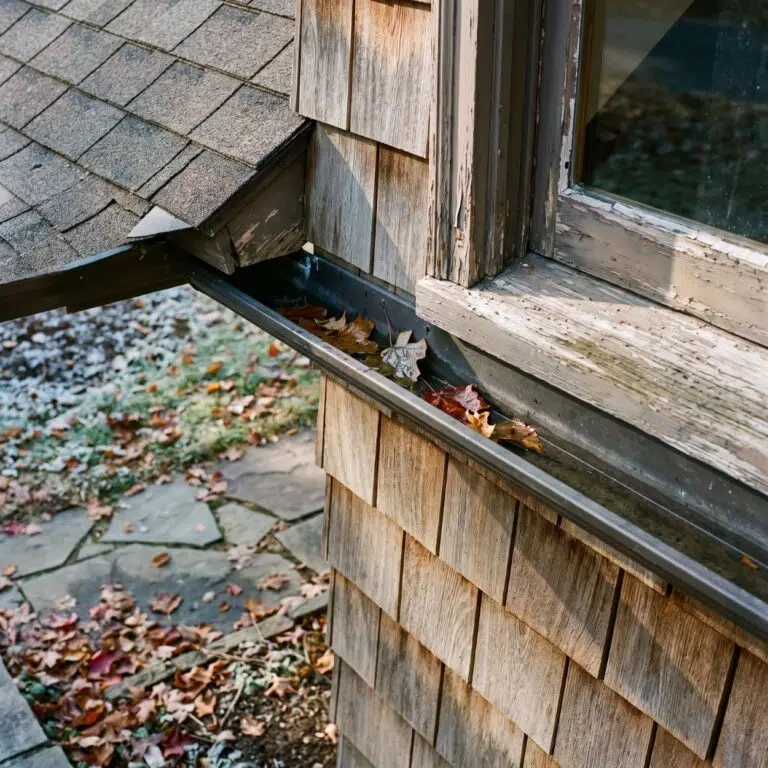
Most begin at a transition or an interruption in the membrane rather than in the open field.
- Seams between membrane sheets, especially older lap joints
- Base flashing where the roof meets a wall or parapet
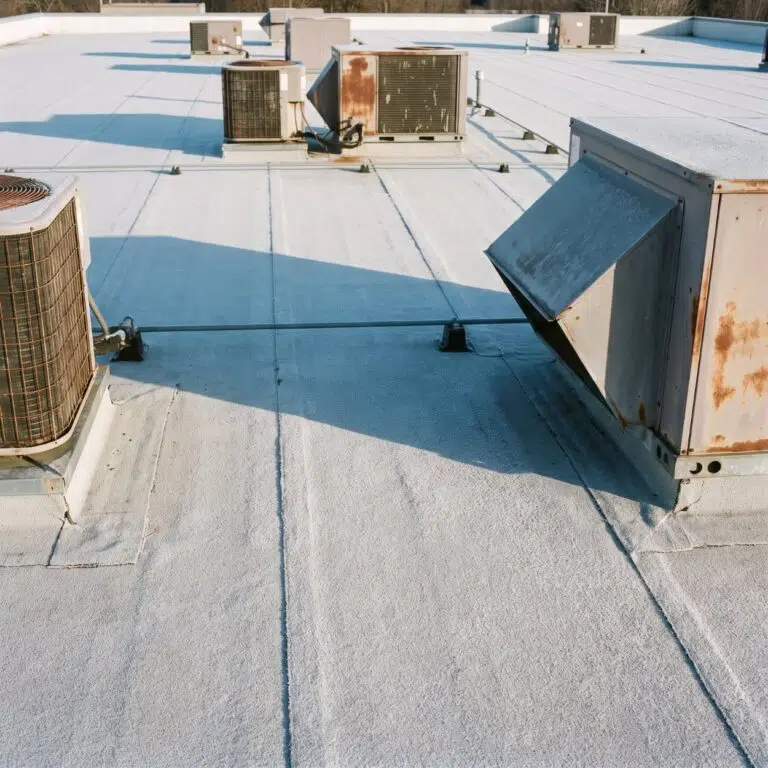
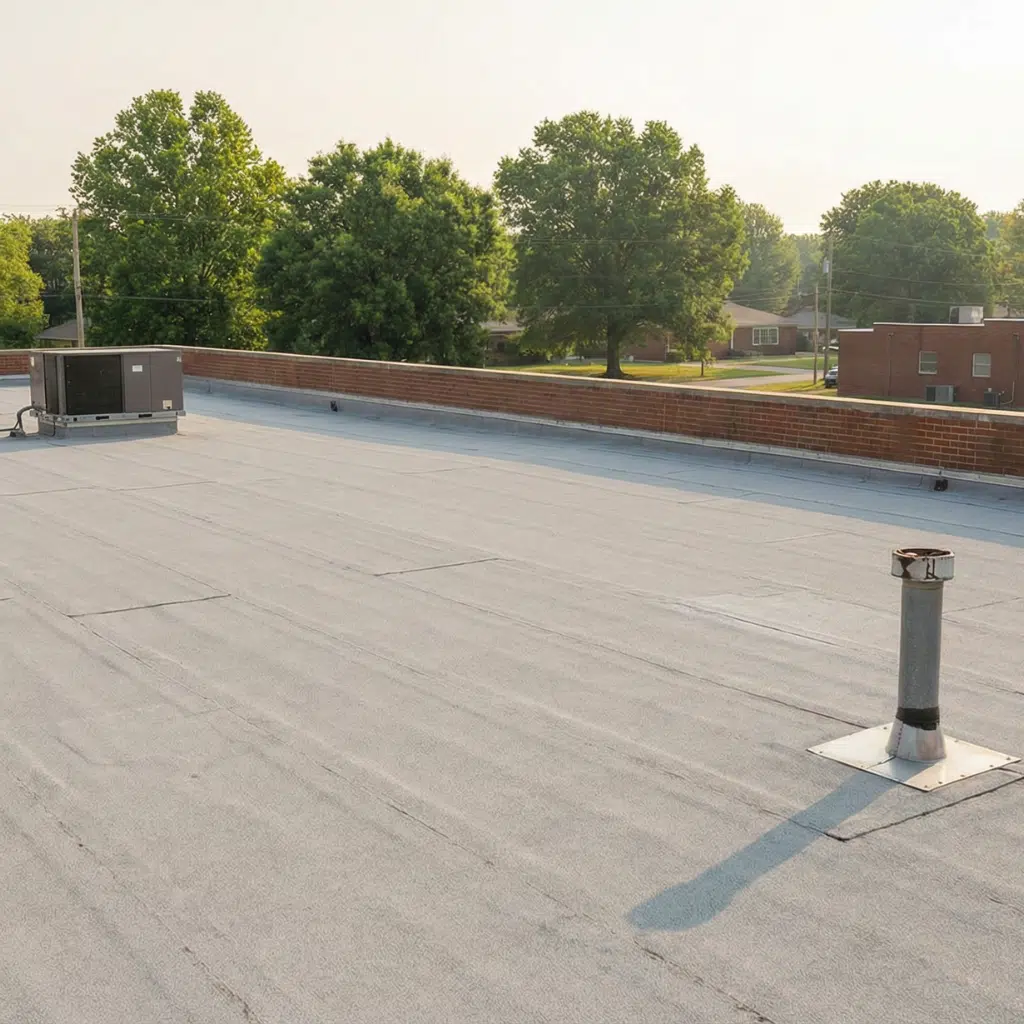
- Penetrations for vents, conduit, drains and rooftop units
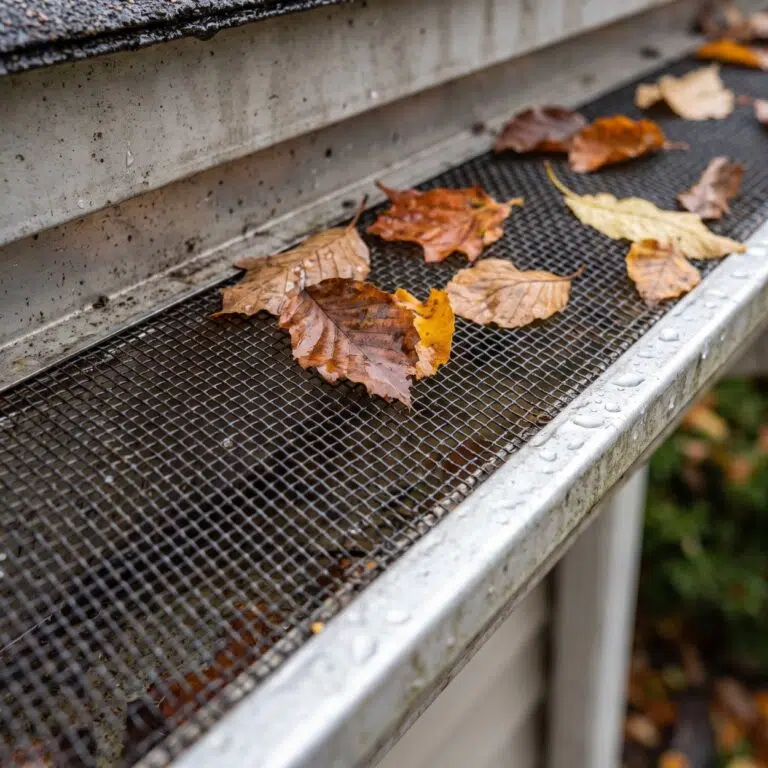
- Drain assemblies and the membrane clamped into them
- Coping and counterflashing along the perimeter
- Damage from foot traffic near service equipment
Our overview of commercial and flat roofing systems covers how each assembly is built. Rooftop equipment deserves particular attention. Wherever service technicians walk regularly, the membrane takes wear that nobody logs.
| Area | Why it fails |
|---|---|
| Seams | Age, adhesion loss, thermal movement |
| Base flashing | Movement between roof and wall, fastener backout |
| Penetrations | Sealant aging, poor original detailing |
| Drains | Debris, clamping ring issues, ponding around the sump |
Pro tip: Note where rooftop equipment sits and where technicians access it. That path is worth inspecting every time.
How the source gets traced
A methodical approach beats guessing, and it usually takes less time than repeated failed patches.
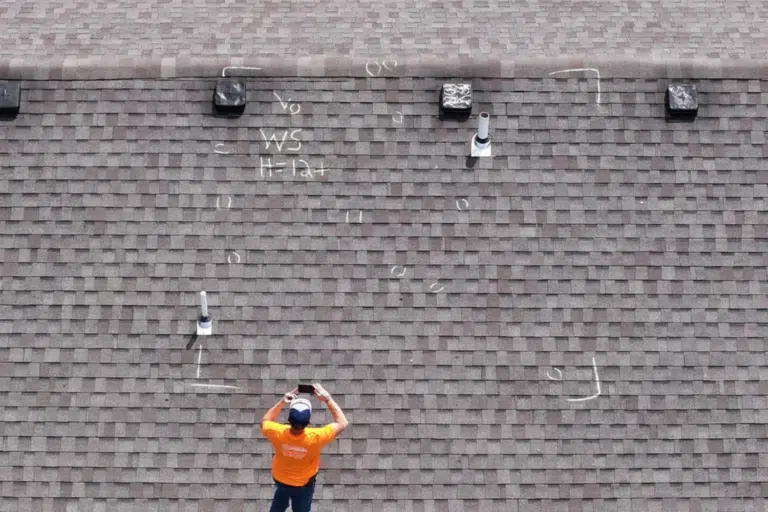
- Document the interior evidence with photographs and exact locations.
- Map the interior stain against the roof plan above it.
- Inspect uphill and upslope from the exit point, not just directly above.
- Check every penetration, seam and flashing detail in that zone.
- Look at drainage: standing water marks where the deck has deflected.
- Confirm the suspected source before repairing it rather than after.
- Record what was found and repaired, with photographs.
That last step is what turns a roof from a series of emergencies into something you can manage.
Bring this to the inspection. It shortens the trace considerably.
| Information | Why it helps |
|---|---|
| Exact interior locations of every stain | Establishes the exit points to work back from |
| Dates each leak appeared | Correlates with specific storms and wind direction |
| Photographs taken during rain | Shows active flow rather than a dry stain |
| Any patches already applied | Prevents chasing a previous repair |
Tip: Keep a simple roof log. Date, location, what was found, what was done. It pays for itself the first time a pattern emerges.
Ponding water and what it tells you
Standing water after a rain is not automatically a leak, but it is information. It marks low spots where the deck has deflected or where drainage is inadequate.
Ponding accelerates membrane aging and puts continuous load on the area least able to carry it. On an older roof, persistent ponding often marks where the next problem will appear.
Important: Photograph ponding within a day or two of rain. After it evaporates, the outline it leaves is easy to miss.
Southwest Missouri conditions on commercial roofs
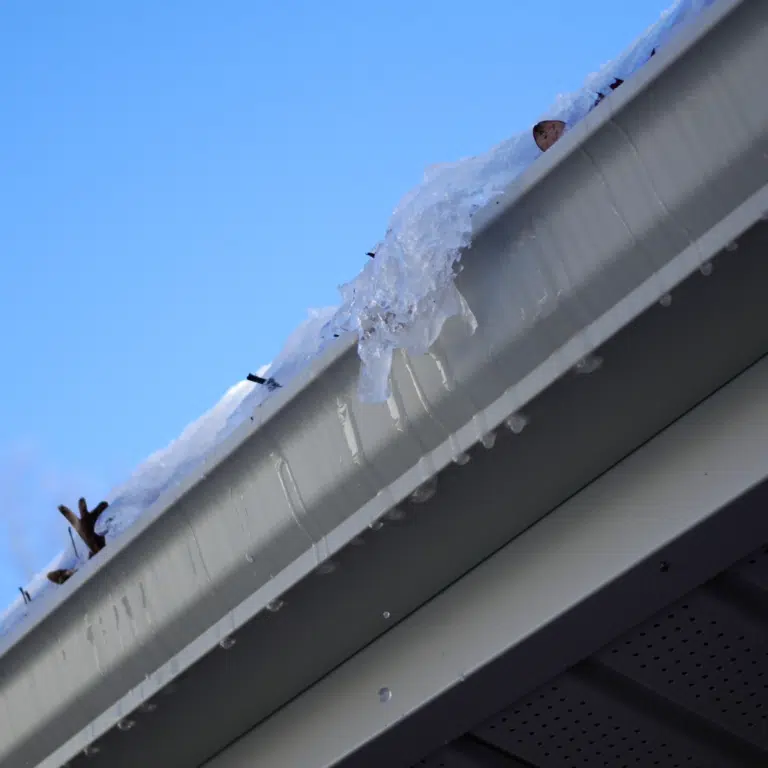
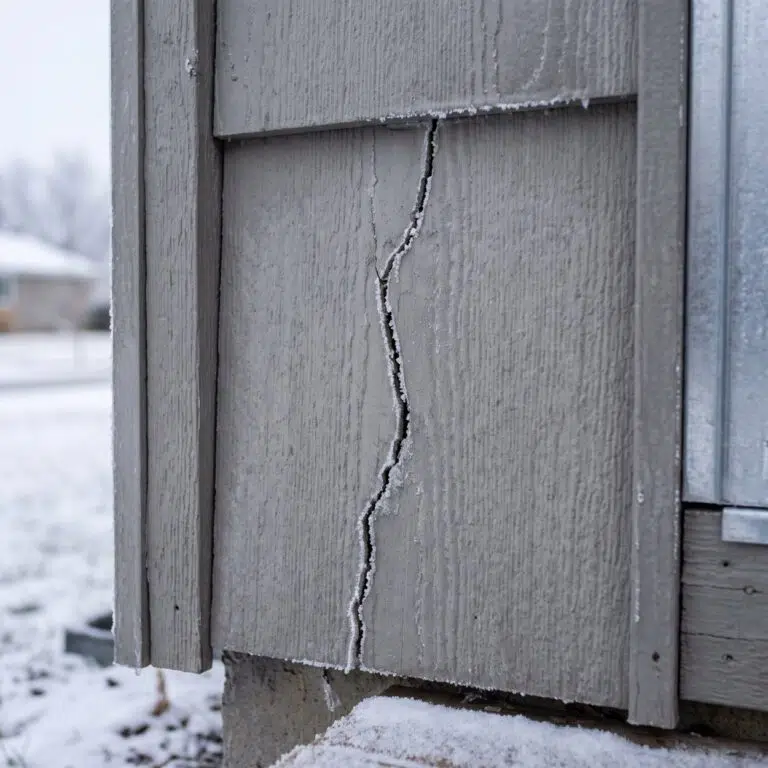
Our weather is hard on low-slope assemblies. Hail bruises membranes without producing an obvious hole. High wind lifts edges and loosens flashing. Freeze and thaw cycles work at every seam over the winter. Summer heat drives thermal movement that fatigues laps and fasteners.
Springfield-area buildings frequently show all four patterns on the same roof. Owners looking at commercial roofing across Southwest Missouri usually get further by tracing and documenting than by patching reactively.
On permits: the City of Springfield does not require a permit for routine roof repair or replacement, though structural work is treated differently. Verify with the permit office when structural repairs are involved.
Pro tip: After any hail event, have the roof inspected even with no interior leak. Membrane bruising often leaks a season later.
When tracing turns into a replacement conversation
At some point, repeated repairs stop being economical. The signals are consistent.
| Signal | What it suggests |
|---|---|
| Leaks at multiple unrelated locations | System-wide aging rather than a local failure |
| Seams opening across the field | Adhesion or material at end of service life |
| Widespread ponding | Drainage or deck deflection, not a patch problem |
| Wet insulation over a large area | Repair will not restore performance |
Wet insulation is the one owners underestimate. Once it is saturated across a broad area, patching the membrane above it does not dry it out.
Illustrative scenario: A Springfield building gets four leak calls in two years, each patched near the reported stain. A traced inspection finds a single failed base flashing at a parapet, uphill of all four exit points. One correct repair ends the cycle.
For buildings still in good condition, our post on commercial flat roof maintenance covers keeping it that way.
Frequently asked questions
Why does my roof leak in a different spot each time it rains? Because water travels under the membrane and exits wherever it finds an opening in the deck. Different rain intensity and wind direction change where it exits. The entry point may well be the same every time.
Can you find a flat roof leak while it is raining? Sometimes, and active water can help confirm a path. It also makes the roof hazardous and limits what can be repaired. Usually the better sequence is documenting during the rain and inspecting after.
How long does a flat roof leak investigation take? It depends on roof size, how many penetrations exist, and how good the interior documentation is. Clear photographs and exact interior locations shorten it considerably. Gather that before the inspection.
Is ponding water a leak? Not by itself. It indicates low spots and inadequate drainage, and it accelerates aging in the area least able to handle it. Treat it as an early warning rather than an emergency.
Should I patch it myself to stop the drip? Temporary protection is reasonable to limit interior damage. Just do not treat it as the repair, and tell whoever inspects exactly what you did and where. Undocumented patches make tracing harder.
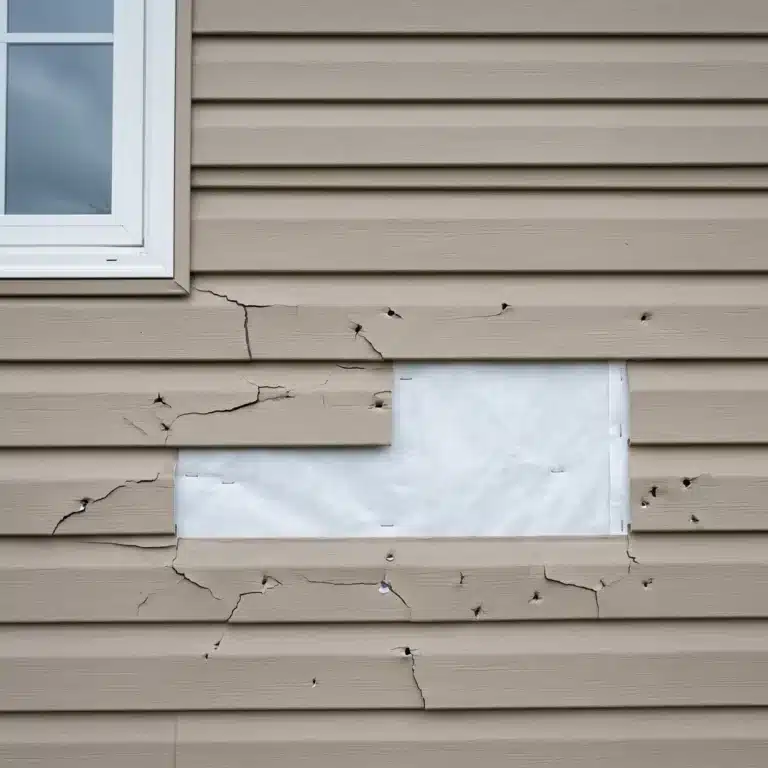
Does hail damage flat roofs? Yes, and it frequently does not produce an immediate leak. Hail can bruise a membrane in a way that fails a season later. Have the roof inspected after significant hail even if nothing is dripping.
How often should a commercial flat roof be inspected? Twice a year is a common baseline, plus after major storms. Regular inspection is what turns surprise failures into scheduled maintenance. Ask for written findings each time.
What is wet insulation and why does it matter? It is the insulation layer under the membrane after water gets in. Once saturated over a wide area it stays wet, keeps degrading the assembly, and is not fixed by sealing the membrane above it.
Can a roof be repaired instead of replaced? Often yes, when failures are localized and the system is otherwise sound. Multiple unrelated leaks, field-wide seam failure and widespread wet insulation point the other direction. Get the condition assessed with a free inspection before choosing.
Key takeaways
- The stain is the exit
- Water travels under the membrane before it drops.
- Inspect uphill of the interior evidence, not directly above.
- Failures start at interruptions
- Seams, base flashing, penetrations, drains and perimeter details.
- Trace before repairing
- Confirming the source first prevents paying twice.
- Ponding is information
- It marks deflection and drainage problems, and accelerates aging.
- Know the replacement signals
- Multiple unrelated leaks, field-wide seams, widespread wet insulation.
Stop patching the same leak
If your building has been repaired near the same ceiling tile more than once, the repair location is probably the problem.
We have traced commercial roof leaks across Southwest Missouri since 1971, and we would rather find the source once than sell you four patches. Owner Josh Tessmer runs the business that way on purpose.
What you get when you call:
- A no-cost commercial roof assessment with written findings
- Leak tracing from the interior evidence back to the actual source
- Photographic documentation you can keep for your building file
- Honest guidance on repair versus replacement
Call 417-883-7663 for a no-pressure assessment, or reach out online.
Teague Roofing Plus, Roofing, Siding, Windows, Gutters, and More. Serving Southwest Missouri Since 1971.