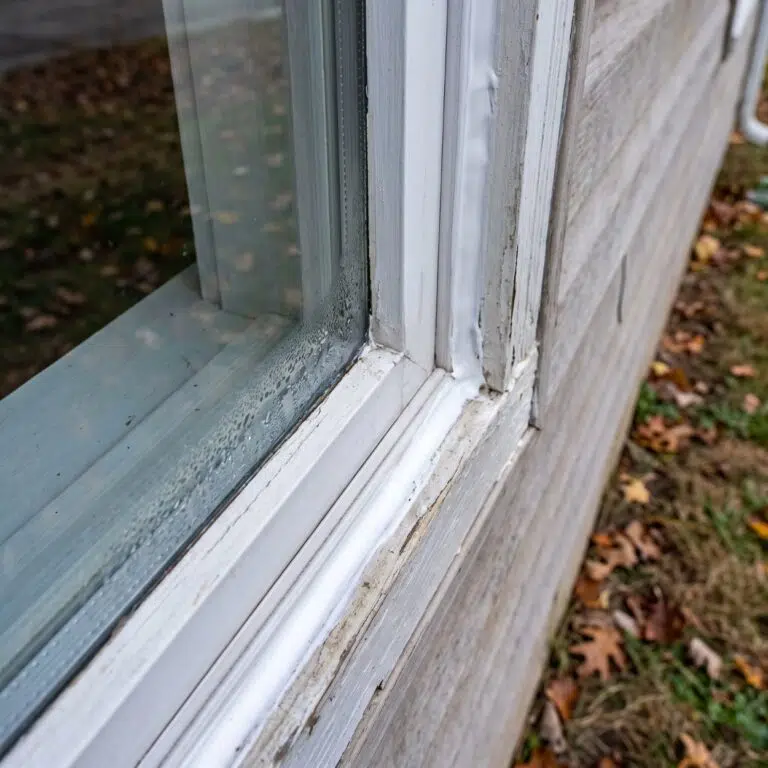

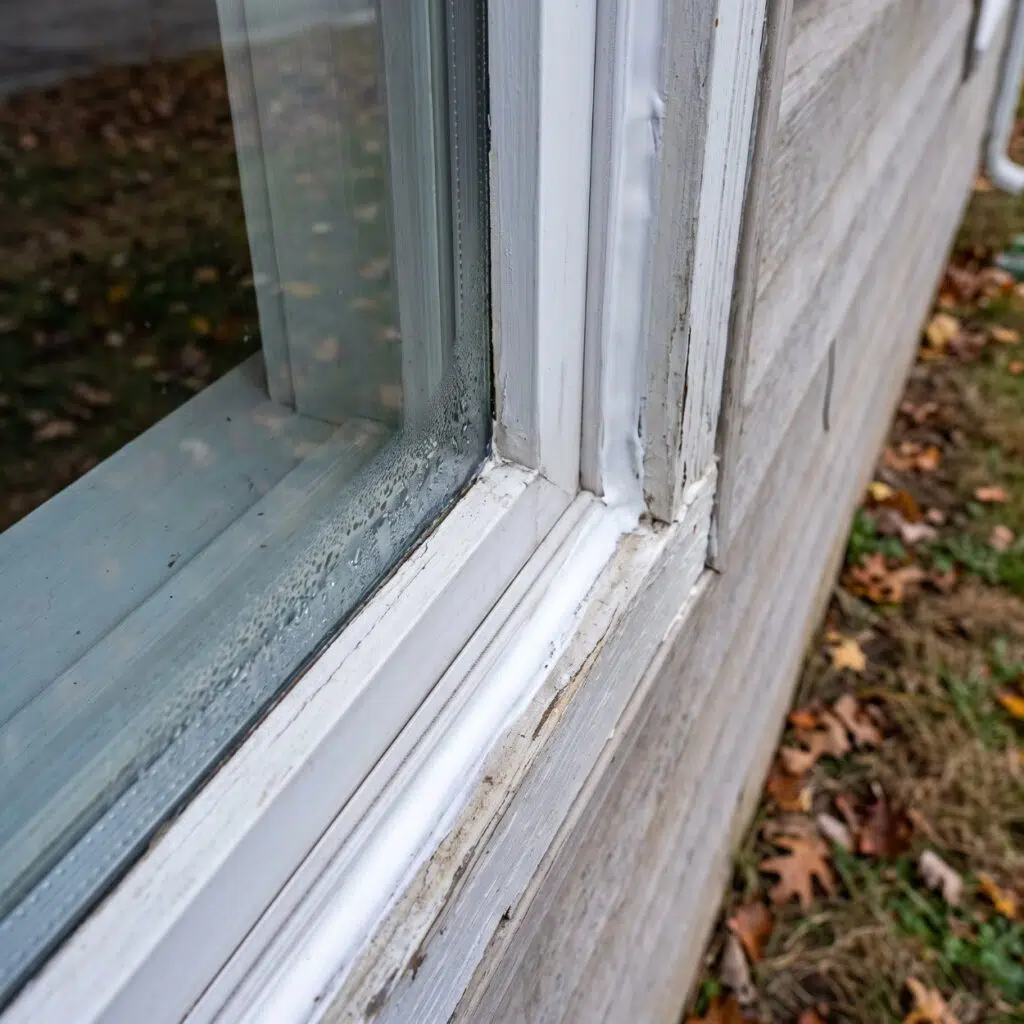
Window sealing is the cheapest comfort upgrade most homeowners never get around to. A drafty window costs you heat every hour of every cold day, and the fix is often caulk and weatherstripping rather than replacement. This guide covers how to find the leaks, what to fix yourself, and when a window is genuinely past saving.
TLDR: Most winter window heat loss comes from the seal around the frame, not the glass, which makes window sealing a low cost fix with a real payoff. Check for drafts on a windy day, inspect exterior caulk and weatherstripping, and look for condensation between panes. That last one signals a failed unit rather than a sealing problem.
There is a moment every fall when you walk past a window and feel the temperature change before you reach it. Most people register that, think about it for a second, and move on.
That draft is heat leaving your house continuously, every hour the furnace runs, all winter. And unlike most home efficiency projects, this one is frequently solved with a tube of caulk and an afternoon.
We handle windows alongside roofing and siding across Springfield, Nixa, and Republic, and the pattern is consistent. Homeowners assume drafty windows mean replacement is due. Often the frame is sound and the seal around it simply aged out. Here is how to tell the difference.
Why Window Sealing Matters More Than the Glass
Homeowners tend to focus on the glass, since that is the part you can see through and the part marketing talks about. In an older window, the larger loss is usually happening around the edges.
Air moves through gaps where the frame meets the wall, where the sash meets the frame, and anywhere caulk has cracked or pulled away. Those paths are small individually and substantial in total.
The EPA and ENERGY STAR make the general point about the building envelope directly: sealing and insulating the shell of your home, meaning the outer walls, ceiling, windows, doors, and floors, is often the most cost effective way to improve energy efficiency and comfort.
Pro Tip: Check for drafts on a genuinely windy day rather than a calm one. The difference in what you can feel with your hand is dramatic, and it tells you where to work.
How to Find Window Leaks Before Cold Weather
You do not need equipment. Work through these on a cool, breezy day.
| Check | How to do it | What it tells you |
|---|---|---|
| Hand test | Move your hand slowly around the frame edge | Locates active air movement |
| Visual caulk check | Look at exterior caulk lines around trim | Cracks and gaps are direct paths |
| Weatherstripping | Open the sash and inspect the seal | Compressed or missing strip |
| Lock and close test | Confirm sashes close and latch fully | A sash that will not seat leaks constantly |
| Between the panes | Look for fog or moisture inside the glass | A failed sealed unit, not a caulk issue |
The takeaway is that the first four rows are maintenance items you can usually handle. The last row is different, because moisture between panes means the sealed unit itself has failed and caulk will not help.
Important: Condensation on the inside surface of the glass is a different thing again. That usually reflects indoor humidity rather than a window fault, and it is worth addressing separately.
What You Can Fix Yourself
Window sealing is one of the more approachable homeowner projects, particularly on the ground floor.
| Task | Difficulty | Notes |
|---|---|---|
| Replace exterior caulk | Easy | Remove the old bead fully before applying new |
| Replace weatherstripping | Easy | Take the old piece to match the profile |
| Adjust or tighten hardware | Easy | A sash that seats properly seals properly |
| Add interior window film | Easy, seasonal | Helpful on older single pane windows |
| Repair a failed sealed unit | Not DIY | The unit or window needs replacing |
The takeaway is that most of the list is genuinely doable in an afternoon, and doing it before the first freeze is far more pleasant than doing it after.
Pro Tip: Cut away and remove old caulk completely rather than laying a new bead over it. New caulk over cracked caulk fails again quickly because it is bonded to a failing surface, not to the frame.
When Sealing Is Not Enough
Sometimes the honest answer is that the window has reached the end of its life. A few signs point that direction.
| Sign | What it indicates |
|---|---|
| Fog or moisture between the panes | The sealed unit has failed |
| Frame rot, soft wood, or visible decay | Structural, not a sealing problem |
| Sash will not close or latch properly | Frame has shifted or hardware has failed |
| Drafts continue after resealing | Air is moving through the frame or wall |
| Single pane glass in a cold climate | Limited performance regardless of sealing |
The takeaway is that resealing a window that has structurally failed is throwing good effort after bad. If two or more of these apply, replacement is worth pricing.
When you do replace, the envelope guidance is straightforward. The EPA and ENERGY STAR note that windows are an important part of your home’s envelope and recommend choosing ENERGY STAR qualified models when replacing them as part of a home improvement project. Our window replacement page covers the options we install.
Illustrative scenario: A homeowner in Republic had two drafty upstairs windows and assumed both needed replacing. One had cracked exterior caulk and compressed weatherstripping, both easily corrected. The other showed fog between the panes, which meant the sealed unit had failed. Only one actually needed replacement.
How Windows Fit Into Whole House Winter Prep
Windows are one part of an envelope that includes the attic, roof, and walls, and they interact more than most homeowners realize.
Heat leaving through the ceiling is a bigger loss than heat leaving through windows in most homes, which is why attic work usually delivers more. You can follow local cold weather conditions through the National Weather Service office in Springfield. ENERGY STAR notes that proper insulation and air sealing keep attics cold in winter by blocking the entry of heat and moist air from below, which also reduces ice dam risk on the roof above.
| System | Winter role | Typical priority |
|---|---|---|
| Attic air sealing and insulation | Stops the largest heat loss path | Highest |
| Roof and flashing | Keeps water out during freeze and thaw | High |
| Gutters and drainage | Prevents ice dam conditions | High |
| Window and door sealing | Reduces drafts and comfort complaints | Moderate, low cost |
| Siding and trim | Blocks water entry into walls | Moderate |
The takeaway is that window sealing is low cost and worth doing, and it is not where the biggest savings live. Do it alongside the attic rather than instead of it. Our guide to attic ventilation and roof energy efficiency covers the higher value work, and the roof maintenance checklist sequences the whole exterior.
Pro Tip: Do the window pass on the same weekend you do the attic check. Both are indoor tasks that benefit from cold weather, and you will notice the improvement in the same rooms.
Frequently Asked Questions
How do I know if my windows need sealing before winter?
Run your hand slowly around the frame edge on a windy day and feel for air movement. Then check the exterior caulk for cracks or gaps and inspect the weatherstripping where the sash meets the frame. If you feel a draft and the caulk looks cracked, sealing is the fix.
Is window sealing something I can do myself?
Usually yes, on ground floor windows. Replacing exterior caulk and weatherstripping is straightforward, requires basic tools, and takes an afternoon for several windows. Upper floor exterior work is a different matter, and anything involving the sealed glass unit is not a DIY repair.
What does fog between the window panes mean?
The seal on that double pane unit has failed, letting moisture inside where you cannot reach it. Caulk and weatherstripping will not help, because the problem is inside the glass assembly rather than around it. That window or its sealed unit needs replacing.
Should I replace windows or just seal them?
Seal first if the frame is sound and the glass is intact, because that is inexpensive and often solves the complaint. Replace when you see fog between panes, frame rot, sashes that will not close, or drafts that persist after resealing. Two or more of those together usually justifies replacement.
Does window film actually help?
Interior film can help noticeably on older single pane windows by adding a still air layer, and it is inexpensive and seasonal. It does less on modern double pane units. It is a supplement to proper sealing rather than a replacement for it.
When is the best time to seal windows in Missouri?
Early to mid fall, while temperatures are still mild. Caulk cures properly in moderate weather and poorly in cold, so waiting until you already feel the draft in December means worse results. Doing it before the first freeze is the goal.
Will new windows lower my heating bill?
They can help, and the size of the effect depends on what you are replacing and the rest of your envelope. Sealing a window that is otherwise sound is usually the more cost effective first move. Attic insulation and air sealing typically deliver larger reductions than windows alone.
Do you install windows as well as roofing?
Yes. Teague Roofing Plus handles roofing, siding, gutters, and windows, which means one team can look at how your whole exterior performs together. Inspections are free and carry no obligation.
Key Takeaways
- The seal matters more than the glass: Most winter draft loss happens around the frame.
- Gaps at the frame, sash, and caulk lines add up.
- The fix is often caulk and weatherstripping.
- Find leaks on a windy day: Your hand is the only tool you need.
- Check caulk, weatherstripping, and how the sash seats.
- Fog between panes is a different problem entirely.
- Know when sealing will not work: Failed units and rotted frames need replacement.
- Drafts that persist after resealing point past the seal.
- Two or more failure signs together justify pricing replacement.
- Windows are not the biggest win: Attic sealing and insulation usually deliver more.
- Do windows alongside the attic, not instead of it.
- Window sealing is cheap, so it is still worth doing.
Get Your Whole Exterior Looked At Before Winter
If you are working through a winter prep list, having one team check the roof, gutters, siding, and windows together is more useful than piecing it out. Problems in one system frequently explain symptoms in another.
Teague Roofing Plus has served Southwest Missouri since 1971, handling roofing, siding, gutters, and windows. We are an Owens Corning Preferred Contractor, BBB A+ rated since December 2019, and a Nextdoor Neighborhood Favorite in 2022 and 2024. An inspection includes:
- Windows checked for seal, weatherstripping, and frame condition
- Attic ventilation, insulation, and air sealing gaps
- Roof surface, flashing, and vent condition
- Gutters, downspouts, and drainage
- Photo documentation you keep either way
- Permits handled by our team on any work that follows
Call Teague Roofing Plus at 417-883-7663, book a free roof inspection, or reach us through the contact page.
Teague Roofing Plus, Roofing, Siding, Windows, Gutters, and More. Serving Southwest Missouri Since 1971.