
Your commercial roof is leaking, or an adjuster just told you it needs replacement, and you are not sure what your options are or how a commercial claim even works. Commercial roofs fail differently than residential roofs, and the insurance process is different too. This guide explains the systems, the repair versus replacement decision, and how commercial claims work in Missouri.
TLDR: Most commercial buildings here use a flat membrane system: TPO, EPDM, or modified bitumen. They fail from ponding water, punctured membranes, and seam or flashing problems rather than blown off shingles. Commercial insurance claims work differently than residential ones, so documentation and an experienced contractor matter even more.
A commercial roof problem is a business problem. A leak over your inventory, your equipment, or your customers is not something you can put off, and a replacement is a major decision with real budget impact. You need to understand your options before you commit.
I am Josh Tessmer, and I own Teague Roofing Plus. We have handled commercial and flat roofs across Springfield and Southwest Missouri since 1971, we are an Owens Corning Platinum Preferred Contractor, and we have held a BBB A+ rating since 2019. Commercial roofs and commercial claims both work differently than residential, and our team handles both. Here is what property and business owners need to know.
Commercial vs. Residential Roofing: What’s Different in Springfield
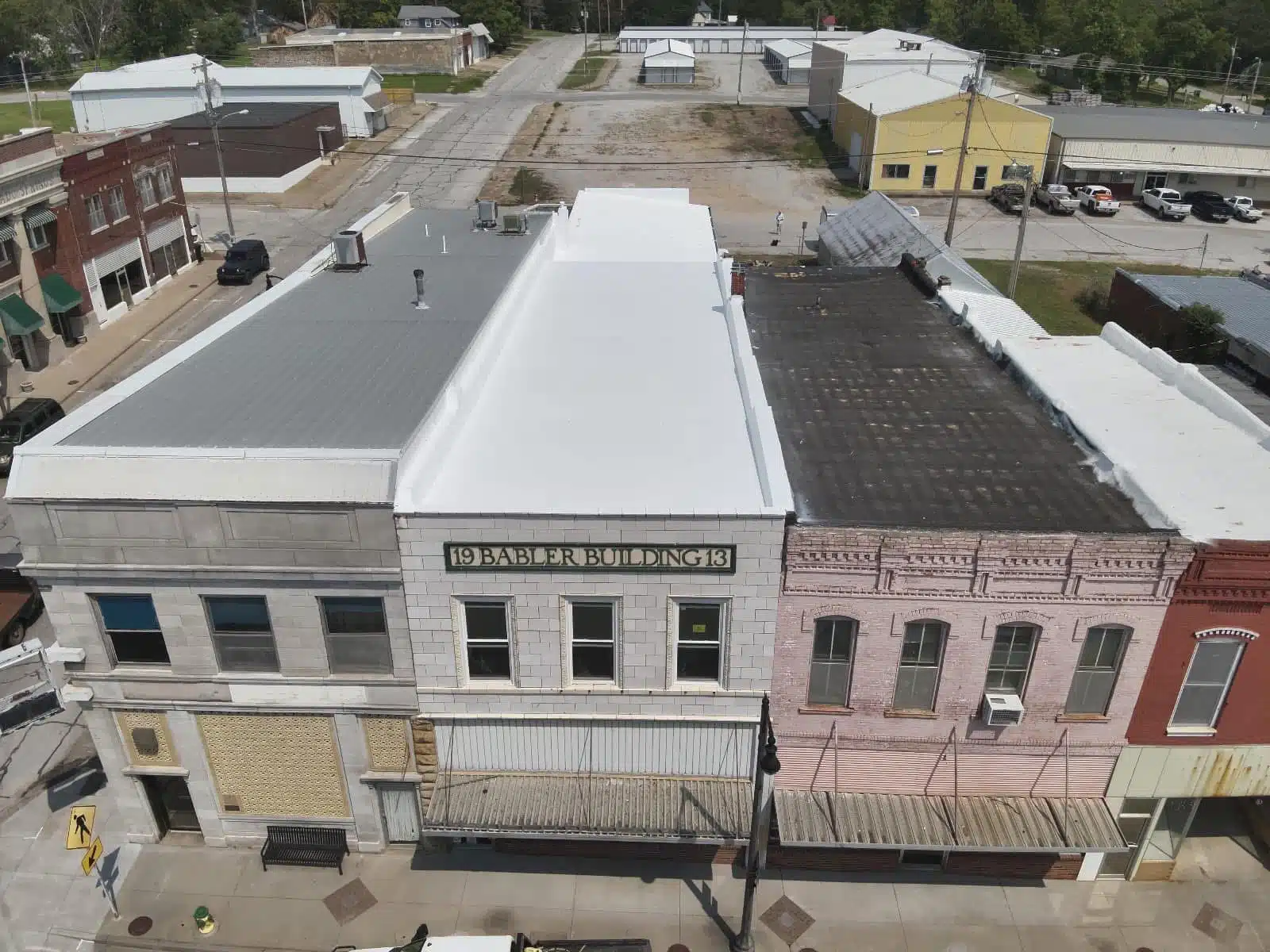
Commercial roofing differs from residential in the roof type, the materials, and how the roof fails. Most commercial roofs are flat or low slope with membrane systems, while homes have sloped shingle roofs. That difference changes everything from inspection to repair to insurance.
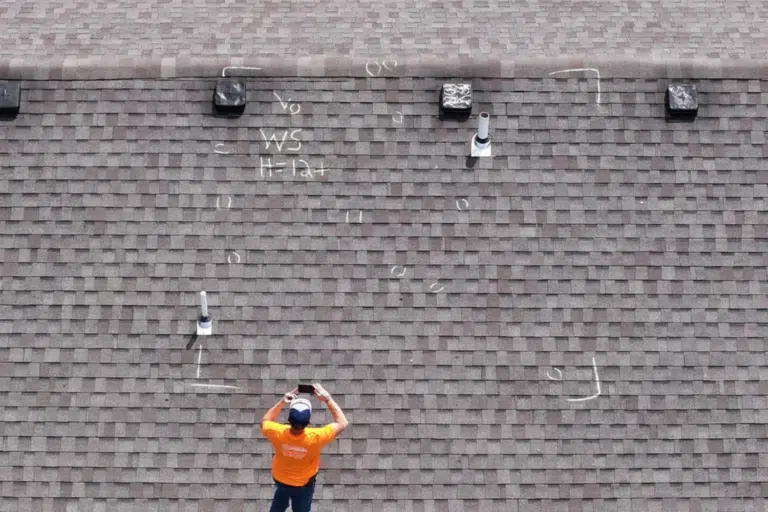
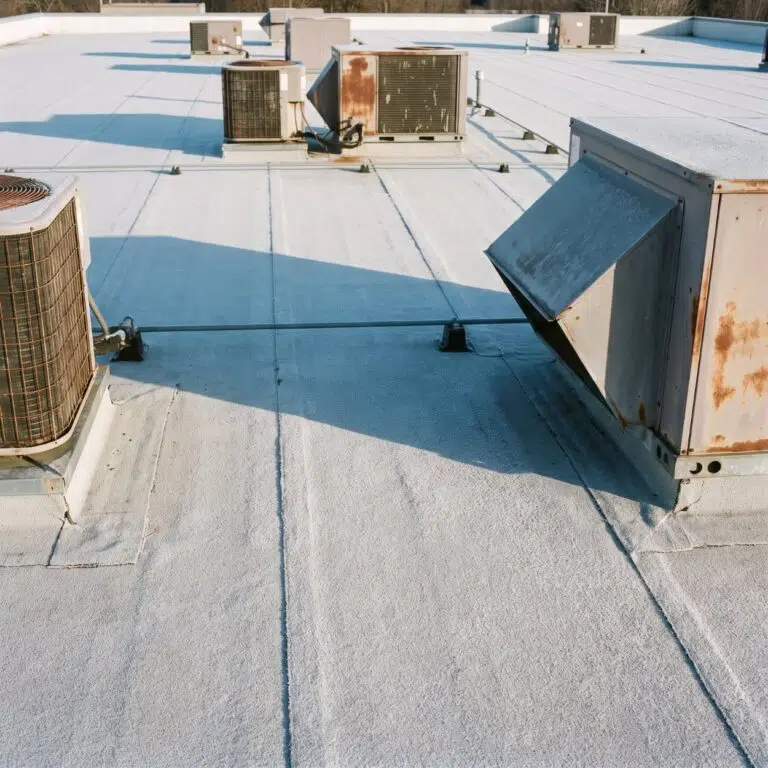
Commercial roofs are usually large, flat or low slope, and covered with a single ply or layered membrane rather than shingles. They fail from standing water, punctures, and seam problems instead of wind lifted shingles. The scale is bigger, the access is different, and a failure can interrupt a business. Our commercial and flat roofs in Springfield page covers our approach.
Pro tip: Commercial roofs need regular inspection more than homeowners often realize. Flat roofs hide ponding and seam problems that only show up as a leak once the damage is well along.
The 3 Most Common Commercial Roof Systems in SW Missouri
The three most common systems here are TPO, EPDM, and modified bitumen, each with its own strengths. TPO is a reflective single ply membrane, EPDM is a durable rubber membrane, and modified bitumen is an asphalt based layered system. The right one depends on the building and the budget.
TPO is a thermoplastic membrane with heat welded seams that reflects heat well. EPDM is a synthetic rubber membrane known for durability and long service. Modified bitumen is an asphalt based system applied in layers, often on older or smaller commercial buildings. The National Roofing Contractors Association publishes guidance on each, and FM Approvals rates commercial roofing for performance.
| System | What It Is | Strength |
|---|---|---|
| TPO | Reflective single ply membrane | Heat reflection, welded seams |
| EPDM | Rubber membrane | Durability and long service |
| Modified bitumen | Layered asphalt based system | Proven, multi layer protection |
Each system fits a different building and budget. An experienced commercial roofer matches the system to your structure and goals.
Does Your Commercial Roof Need Repair or Replacement?
Repair fits localized damage on a sound roof, while replacement fits widespread failure, an aging membrane, or repeated leaks. The deciding factors are the extent of the damage, the age of the system, and how many times it has already been patched. An inspection settles it.
Isolated punctures or seam separations on an otherwise healthy membrane often repair cleanly. Widespread ponding, a membrane near the end of its life, or a roof that keeps leaking in new spots points toward replacement. The Insurance Institute for Business and Home Safety studies how commercial roofs fail under weather stress.
| Indicator | Repair | Replace |
|---|---|---|
| Punctures or seam splits | Isolated | Widespread |
| Ponding water | Minor, localized | Chronic across the roof |
| Membrane age | Newer | Near end of life |
| Leak history | First or second | Repeated, new spots |
If the damage is contained and the membrane is sound, repair makes sense. When the system is failing as a whole, replacement is the better investment.
Important: Ponding water, where water sits on a flat roof instead of draining, is a warning sign. Standing water shortens membrane life and points to a drainage problem that needs attention.
Commercial Roof Insurance Claims: How They Work in Missouri
Commercial roof claims work differently than residential claims, with different policies, documentation, and often more complexity. A commercial property policy is not a homeowners policy, and the stakes can include business interruption. Thorough documentation and an experienced contractor matter even more here.
Commercial claims involve commercial property coverage, which can differ significantly from residential in how damage and depreciation are handled. The documentation requirements are often greater, and business impact can be part of the picture. The Missouri Department of Commerce and Insurance publishes guidance on commercial property claims, and our insurance claim assistance in Southwest Missouri team documents commercial damage and meets your adjuster on site.
| Aspect | Commercial | Residential |
|---|---|---|
| Policy type | Commercial property | Homeowners |
| Documentation | Often more extensive | Standard |
| Business impact | Can be a factor | Not applicable |
| Adjuster process | Can be more complex | More routine |
Know your policy and document thoroughly. The commercial claim process rewards preparation and clear evidence.
What We Do for Commercial Clients in Springfield
For commercial clients, we inspect the full roof system, document the damage, help with the claim, and complete the repair or replacement. We treat a commercial roof as the business asset it is. The goal is to protect your building with as little disruption as possible.
Our crew assesses the membrane, the seams, the flashing, the drains, and the parapet walls, the low walls around the roof edge, and documents everything. We help with the commercial claim, handle the permit, and complete the work. Our storm damage repair across Southwest Missouri page covers storm related work, and you can learn more about Teague Roofing Plus and our history here.
Illustrative scenario: A Republic business owner notices a leak over a storage area after a storm. Our crew finds a punctured TPO membrane and a ponding problem near a clogged drain, documents both, and repairs the membrane while addressing the drainage. This is an illustrative example, not a specific customer, and includes no pricing.
Frequently Asked Questions
What type of roofing is best for commercial buildings in Springfield MO? It depends on the building, but TPO, EPDM, and modified bitumen are the most common commercial systems here, each with its own strengths. TPO reflects heat, EPDM is durable, and modified bitumen offers layered protection. The best fit depends on your structure, budget, and goals. An experienced commercial roofer can recommend the right one.
How long does a commercial roof last? A commercial membrane roof can last many years when installed well and maintained, though the exact lifespan varies by system and conditions. Regular inspection and prompt repairs extend its life. Ponding water and neglect shorten it. Ask about the expected life of the specific system you are considering.
Does commercial roof insurance work the same as residential? No, commercial claims use commercial property policies, which differ from homeowners coverage in documentation, depreciation, and complexity. Business interruption can also be a factor. The process often requires more extensive documentation. An experienced contractor and thorough records help significantly.
What causes flat roofs to fail in Missouri? Common causes are ponding water from poor drainage, punctured or aging membranes, seam separations, and flashing failures. Standing water is a frequent culprit on flat roofs. Hail and storm damage add to the list. Regular inspection catches these problems before they become major leaks.
How often should a commercial roof be inspected? Commercial roofs benefit from inspection at least once or twice a year and after major storms, because flat roof problems hide until they leak. Regular checks catch ponding, seam issues, and small punctures early. Early repairs are far cheaper than a failure. Set up a routine inspection schedule.
What is TPO roofing? TPO is a single ply thermoplastic membrane with heat welded seams, used widely on commercial flat roofs. It reflects heat well, which can help with energy costs, and resists punctures reasonably well. It is one of the most common commercial systems. Ask whether it fits your building and climate.
How do I know if my commercial roof needs replacement? Widespread ponding, a membrane near the end of its life, repeated leaks in new spots, or extensive damage point toward replacement rather than repair. Isolated problems on a sound roof usually do not. An inspection that assesses the whole system gives you the answer. Get one before deciding.
Who does commercial roofing in Springfield MO? Teague Roofing Plus handles commercial and flat roofs across Springfield and Southwest Missouri, including TPO, EPDM, and modified bitumen. We inspect, repair, replace, and help with commercial insurance claims. Local crews mean we are here for ongoing maintenance and follow up. Call us for a commercial roof assessment.
Get a Free Commercial Roof Assessment in Springfield
You now understand how commercial roofing differs from residential, the common systems, the repair versus replacement decision, and how commercial claims work. The next step is an assessment of your specific roof from a team that handles commercial work.
Teague Roofing Plus has handled commercial and flat roofs across Springfield and Southwest Missouri since 1971, with local crews, Owens Corning Platinum Preferred Contractor certification, and a BBB A+ rating. Here is what we bring to a commercial roof.
- A full assessment of the membrane, seams, drains, and flashing
- Documentation of damage for your commercial claim
- TPO, EPDM, and modified bitumen expertise
- Repair and replacement with minimal business disruption
- Permits handled on every approved job
Call 417-883-7663 for a free commercial roof assessment. You can also learn more about commercial roofing in Southwest Missouri online and request a free roof inspection in Southwest Missouri for your property.
Teague Roofing Plus, Roofing, Siding, Windows, Gutters, and More. Serving Southwest Missouri Since 1971.