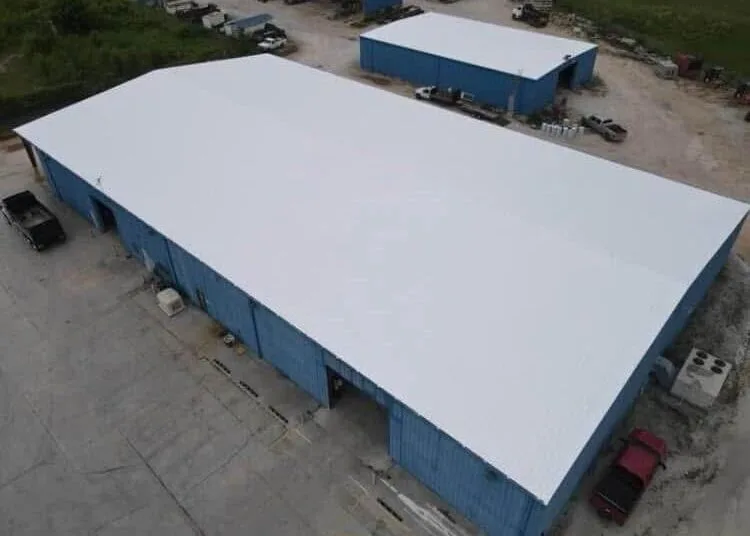


A denial letter from an insurance company is not the final word. Missouri homeowners have a defined, multi-step process to challenge a denial, from internal appeal through the appraisal clause to a Missouri DCI complaint to legal action. Most denied claims can be successfully challenged with better documentation and professional contractor support. This guide walks through every option, starting with the most accessible steps first.
TLDR: Read the denial letter carefully. The specific reason determines which appeal path to take. Internal appeals must typically be filed within 30 to 180 days of denial. For amount-of-loss disputes, Missouri policies include a binding appraisal clause. Missouri’s RSMo 375.1007 prohibits insurers from refusing claims without reasonable investigation. A denial opens a process, not a closed door.
You have the denial letter in your hand. The adjuster called the hail damage “cosmetic.” The granule loss is visible in the gutters. The AC fins are dented. The neighbor two doors down already had a full replacement approved. The letter says your roof does not qualify. You feel like the decision has been made and you are stuck with it.
It has not been made. A denial letter is the start of a defined, legally protected appeal process, not the end of one. Nearly every denial can be challenged when the right documentation lands on the desk and the right contractor stands behind the claim.
Missouri law itself sets standards for how insurers must handle claims. Failing to meet those standards has consequences. The rest of this guide walks through your path: from reading the letter to the internal appeal, the re-inspection, the appraisal clause, the DCI complaint, and your legal options. You do not have to do this alone, and you should not.
Why Missouri Roof Claims Get Denied, and Why It Is Often Challengeable
Understanding the denial reason is the first step in building the challenge. The reason written in the letter determines which appeal path is most effective.
| Denial Reason | What the Insurer Claims | Your Challenge Strategy |
|---|---|---|
| Cosmetic damage only | Hail affected appearance but not function | Argue functional damage: granule loss accelerates UV degradation, shortens lifespan, and may void warranty |
| Pre-existing damage / wear and tear | Damage predates the storm event | Provide dated pre-storm baseline photos, NWS storm event confirmation, and professional inspection report tied to storm date |
| Insufficient documentation | Not enough evidence to support the claim | Supplement with full photo documentation, contractor report, and NWS storm data; request re-inspection |
| Filed outside the claim window | Claim not submitted within the policy’s required timeframe | Review policy language; some Missouri courts have allowed late filing when damage was not reasonably discoverable earlier |
| Policy exclusion applies | Cosmetic damage exclusion or flood exclusion cited | Review declarations page for exact exclusion language; if damage is functional, exclusion may not apply |
| Disagreement on scope or amount | Insurer and contractor scopes do not match | Request re-inspection with contractor present; invoke appraisal clause if amount is the dispute |
Every denial has a specific reason, and every reason has a specific counter-move. Knowing which one applies is worth more than a general appeal.
Step 1: Read the Denial Letter and Request Your Claim File
Read the denial letter word by word. The letter must state the specific reason for denial and the exact policy language being applied. If the language is vague, you have the right to request a detailed written explanation.
Under Missouri law, you also have the right to request a complete copy of your claim file: all documentation, notes, adjuster reports, and communications used in the denial decision. Submit this request in writing. Missouri insurers are generally required to provide the claim file within 30 days.
Before filing an appeal, compare the denial reason to the policy language directly. Look for the specific peril cited, any exclusion invoked, and the standard the insurer is applying to distinguish covered damage from excluded damage. This comparison is the foundation of the appeal.
Pro Tip: Request your claim file in writing by email or certified mail, not by phone. The written request creates a timestamp record. When you receive the file, look specifically for the adjuster’s notes, any engineer or consultant reports the insurer commissioned, and the photos the adjuster took. These documents reveal what the adjuster actually observed and where the gaps are.
Step 2: Get an Independent Inspection and Strengthen Your Documentation
The most effective challenge to a cosmetic-damage denial or an insufficient-documentation denial is better documentation from a qualified, independent source.
We provide free inspections for homeowners whose claims have been denied. The inspection produces a written damage report with photos of every damage point, a documented scope, and a professional assessment of whether damage is functional or cosmetic. That report becomes the evidence backbone of the appeal. For more on what a thorough hail inspection covers, see our hail damage roof inspection guide.
For the cosmetic-vs-functional denial specifically, the written inspection report should document granule loss and mat condition and explain the standard that granule loss accelerates UV degradation and shortens shingle service life, making the damage functional rather than cosmetic. Courts have supported this position. The written report makes the argument.
Pull the NWS storm event confirmation from NWS Springfield if you have not already. A denial based on pre-existing damage is directly challenged by a verified storm event record showing hail at or above the damage threshold at your address on a specific date.
Pro Tip: If the original adjuster’s photos are in your claim file and they only show the front slope or document a single test square, that is evidence of an incomplete inspection and a strong argument for re-inspection. When requesting the re-inspection, ask for a different adjuster from the original one and confirm that your contractor will be present.
Step 3: File the Formal Internal Appeal
Most Missouri insurance policies include a formal internal appeals process. The policy will state the deadline. Most carriers allow 30 to 180 days from the denial date. Do not miss this window.
Your appeal letter should include your policy number and claim number, the date of denial, the specific reason given for denial, the reasons you dispute the denial, and all supporting documentation organized as one package. Send the appeal by certified mail and keep the tracking confirmation. Follow up in writing if you do not receive an acknowledgment within 10 business days.
| Document | Purpose |
|---|---|
| Appeal letter (homeowner-written) | States denial reason, specific grounds for dispute, and request for reconsideration |
| Independent contractor inspection report | Professional documentation of damage scope and functional vs. cosmetic classification |
| Photos organized and labeled | Visual evidence of every damage point: all slopes, all soft metals, interior if applicable |
| NWS storm event confirmation | Ties damage to a verified storm event date and hail/wind parameters |
| Pre-storm baseline photos | Establishes roof was in acceptable condition before the storm |
| Claim file materials (from Step 1) | References the adjuster’s own documentation and addresses gaps or inconsistencies |
| Policy language comparison | Shows where the denial reason misapplies the policy language |
Send everything as one organized package, not piece by piece over multiple calls. An organized, complete appeal communicates seriousness and makes the desk adjuster’s review straightforward.
Illustrative scenario: A homeowner in Strafford had a hail claim denied as “cosmetic damage only” after a 1.5-inch hail event. The adjuster had photographed only the front slope and marked one test square. He called us. Our team conducted a free re-inspection and documented mat bruising on the rear slope, significant granule loss collected in the gutters, and dented AC fins, none of which appeared in the original adjuster’s report. We provided a written report citing the functional damage standard and reframing the granule loss as accelerated UV degradation, not cosmetic. The homeowner submitted the appeal with our report, photos labeled by direction and component, and the NWS storm event confirmation as one organized package. He requested a re-inspection with a different adjuster. The re-inspection placed test squares on every slope. The denial was overturned and a full replacement was approved. Total time from initial denial to approval: about five and a half weeks.
Step 4: Request a Re-Inspection
You have the right to request a second adjuster inspection, especially when you believe the original adjuster missed damage or made errors. When requesting it, ask specifically for a different adjuster from the original one. Have your contractor present to point out damage points the first adjuster may have missed and to ensure every slope and component is documented.
If the denial was based on a single test square on one slope, the re-inspection should place test squares on every slope and document the results independently. For cosmetic-vs-functional disputes, having a contractor with forensic inspection experience present can change what gets documented in the adjuster’s own report.
Step 5: The Appraisal Clause (When Amount Is the Dispute)
If the insurer agrees damage is covered but disputes the amount, Missouri policy law provides a binding resolution path: the appraisal clause.
Most Missouri homeowners insurance policies include this clause. Either party can invoke the process when the dispute is about the amount of a covered loss. Each party selects their own competent, disinterested appraiser. Those two appraisers agree on an umpire. A decision reached by any two of the three is binding on both parties.
A critical distinction was established by Missouri case law in American Family Mutual Insurance Co. v. Dixon, 450 S.W.3d 831 (Mo. App. 2014): appraisal resolves disputes about the amount of loss for covered damage. It does not resolve disputes about whether coverage exists at all. If the insurer is denying coverage entirely, calling damage pre-existing or invoking an exclusion, appraisal is not the right tool. The internal appeal, DCI complaint, or legal action are the appropriate paths instead.
To invoke appraisal, submit a written demand to your carrier and keep delivery confirmation. Consult with a public adjuster or insurance attorney before invoking appraisal if you are unfamiliar with the process. The choice of appraiser matters.
Pro Tip: The appraisal clause is most useful when the insurer has acknowledged damage is covered but the contractor’s scope and the insurer’s scope are significantly different. It is faster and less expensive than litigation for amount-of-loss disputes. Ask us whether your situation is an appraisal-appropriate dispute before invoking.
Step 6: Missouri DCI Complaint and Legal Options
Filing a Missouri DCI Complaint
If the insurer’s handling of your claim appears to violate Missouri’s improper claims practices law (RSMo 375.1007), failing to investigate reasonably, refusing to pay without cause, or delaying without justification, you can file a complaint with the Missouri Department of Commerce and Insurance. Contact the Consumer Affairs Division at 800-726-7390.
The DCI can investigate, contact the insurer for a formal response, and refer patterns of violations to its Market Conduct division. What it typically cannot do is force payment on a single individual claim. A DCI complaint creates an official record and puts the insurer on notice, but individual relief usually requires the courts. File the complaint anyway. It creates a paper trail, contributes to the insurer’s complaint index, and may prompt the insurer to reconsider rather than face a Market Conduct inquiry.
Missouri’s Vexatious Refusal Statute
If an insurer refuses to pay a valid claim without reasonable cause, Missouri’s vexatious refusal statute (RSMo 375.420) allows courts to award additional damages beyond the claim amount: up to 20% of the first $1,500 of the loss and 10% on the remainder, plus reasonable attorney’s fees. The full statute text is available at revisor.mo.gov.
This statute applies when the refusal was unreasonable and without justification. The mere denial of a claim is not vexatious refusal. The key is whether the insurer had a reasonable basis. If you believe the denial was unreasonable and without legitimate justification, consulting a Missouri insurance attorney is the appropriate next step. Many Missouri property insurance attorneys offer free consultations.
When to Consult an Attorney
Consult an attorney who handles Missouri property insurance disputes when the internal appeal fails, the appraisal clause does not apply (because the dispute is about coverage, not amount), and the DCI complaint has not produced resolution. This step is appropriate when the claim is significant in value, the denial appears to misapply clear policy language, or the insurer’s conduct during the claim appeared designed to delay or minimize payment.
We cannot provide legal advice. The recommendation is to document everything, work through the appeal steps in order, and consult a Missouri insurance attorney if the internal process fails.
Pro Tip: File the DCI complaint even when you intend to pursue other paths. The complaint creates an official paper trail with the state regulator that supports later steps. If a pattern of denials by the same insurer emerges across SW Missouri after a major storm, your complaint contributes to the documentation that prompts Market Conduct review.
What We Do After a Denial
When a homeowner calls us after a denial, the first step is always a free re-inspection with a full written damage report. Our team reviews the denial letter, the adjuster’s scope if available, and the roof condition firsthand. You get a plain-English explanation of what the denial says, what the roof shows, and what the documentation gap is.
We do not promise specific claim outcomes, cannot waive deductibles, and cannot provide legal advice. What we can do is document what the roof actually shows in the technical language carriers respond to. The team has navigated supplement approvals, re-inspections, and scope disputes across thousands of SW Missouri claims since 1971. Our insurance claim assistance is included with every inspection at no extra charge.
If the denial is based on cosmetic classification and our inspection documents functional damage, that report becomes the foundation of the appeal. If the denial is based on documentation gaps, the inspection fills them.
Pro Tip: Call us before filing the appeal. Do not file with the same documentation that produced the denial. Add the independent inspection report, the NWS storm event confirmation, and the labeled photo set. Appeal with a stronger file than you filed with originally. That is what changes outcomes.
SW Missouri Context: Why Denials Are More Common After Major Storm Events
After major storm events that hit multiple counties at once in SW Missouri, like the April 29, 2025 Springfield system that brought 87 to 90 mph gusts, adjuster workloads spike and inspection times compress. Claims filed during surge periods are more likely to receive quick desk review rather than thorough on-site inspection. This increases the rate of cosmetic-only classifications on claims that should be approved as functional damage.
Homeowners in Willard, Bolivar, Rogersville, and the rest of the SW Missouri service area who received denial letters after the 2025 storm season may have claims that were incorrectly classified under surge conditions. The DCI’s complaint index for SW Missouri carriers is also worth checking. If your insurer has an elevated complaint ratio after a storm season, that context supports your case.
Frequently Asked Questions
Can I appeal a denied roof insurance claim in Missouri?
Yes. Every Missouri policy includes an internal appeals process. Most allow 30 to 180 days from the denial date. The appeal should include independent inspection documentation, NWS storm event confirmation, and a written explanation of why the denial misapplies the policy language. Send by certified mail and keep delivery confirmation.
How long do I have to appeal a denied roof claim in Missouri?
Most policies allow 30 to 180 days from the denial date for an internal appeal. Check your policy directly for the exact deadline. Missouri’s broader two-year filing window for property damage claims may also apply, but internal appeal deadlines are usually shorter and policy-specific.
My claim was denied because of cosmetic damage. Is that the final word?
No. Cosmetic-damage denials are commonly challenged with documentation showing the damage is functional. Granule loss accelerates UV degradation and shortens shingle service life. Mat bruising reduces structural integrity. Both are functional damage under industry standards, even when the surface looks intact. A professional inspection report makes the argument.
What is the appraisal clause and how do I use it?
The appraisal clause is a binding dispute resolution mechanism in most Missouri policies for amount-of-loss disputes when coverage is agreed. Each party selects an appraiser, those two select an umpire, and any two of the three issue a binding decision. It does not apply when coverage itself is disputed, per the American Family v. Dixon precedent.
What does Missouri law say about how insurers must handle claims?
RSMo 375.1007 prohibits insurers from refusing claims without reasonable investigation, failing to adopt prompt investigation standards, and compelling lawsuits to collect amounts owed. Insurers must acknowledge claims within 15 working days. Violations can be reported to Missouri DCI.
What is vexatious refusal and does it apply to my denial?
RSMo 375.420 allows courts to award additional damages of up to 20% of the first $1,500 plus 10% on amounts above, plus attorney fees, when an insurer refuses payment without reasonable cause. It applies to genuinely unreasonable refusals, not legitimate coverage disputes. A Missouri insurance attorney can evaluate whether your situation qualifies.
How can I get a second opinion on my denied roof claim?
Call a local roofing contractor for a free re-inspection. We provide free written inspection reports for homeowners with denied claims at 417-883-7663. The report documents what the adjuster missed and gives you the evidence backbone for the appeal.
Should I hire a public adjuster after my claim is denied?
Public adjusters can be useful when a claim is significantly underpaid or when the homeowner needs help navigating the appraisal clause. They typically charge a percentage of the recovered amount. For most denial situations, starting with a free contractor re-inspection and submitting a documented internal appeal is the first step. A public adjuster or attorney comes in if the internal appeal fails.
How do I file a complaint with the Missouri Department of Insurance?
Contact the Missouri DCI Consumer Affairs Division at 800-726-7390 or file online at insurance.mo.gov. Provide your policy number, claim number, the denial letter, and a written explanation of the dispute. The DCI investigates and contacts the insurer for response, though individual relief usually requires further appeal or legal action.
How can Teague Roofing Plus help after my claim is denied?
We provide a free re-inspection with a written damage report designed to support your appeal. We document functional damage in the technical language carriers respond to, meet your adjuster on-site for re-inspections at no extra charge, and submit supplements when items were missed. We do not provide legal advice but we know what documentation changes denial outcomes.
Key Takeaways
- Denial Is Not Final: Most policies include a 30 to 180 day appeal window, plus appraisal, DCI complaint, and legal options behind it.
- Why Claims Get Denied: Cosmetic classification, pre-existing damage attribution, insufficient documentation, missed filing windows, policy exclusions, and scope disagreements. Each has a specific counter-move.
- The Appeal Path: Read the letter, request your claim file, get an independent inspection, file a documented internal appeal, and request a re-inspection with a different adjuster.
- The Re-Inspection: Ask for a different adjuster from the original. Have your contractor present. Place test squares on every slope.
- The Appraisal Clause: Binding resolution for amount-of-loss disputes, not coverage disputes. Per American Family v. Dixon, the distinction matters.
- Missouri Law Protections: RSMo 375.1007 prohibits unreasonable refusals and improper claim practices. RSMo 375.420 provides vexatious refusal damages when refusal is without reasonable cause.
- DCI Complaints and Legal Options: Missouri DCI at 800-726-7390 documents patterns and puts insurers on notice. Attorneys handle individual recovery when internal paths fail.
- Where We Fit In: Free re-inspection, written damage report tied to storm date, on-site adjuster meetings, and supplements when items were missed. We bring the documentation. You make the decisions.
Denied? Start Here. The First Call Is Free.
You now have a step-by-step path from denial to resolution, and you do not have to start that path alone.
Teague Roofing Plus has worked through thousands of denial situations in SW Missouri since 1971. We bring the documentation. You decide the next move.
What comes with calling us:
- Free re-inspection after a denial, with a written damage report designed to support your appeal
- Experienced inspectors review every denied-claim situation, with project managers running the file
- Documentation written in the technical language carriers respond to (functional damage standard, granule loss as UV acceleration, mat bruising as structural compromise)
- Owens Corning Platinum Preferred Contractor (less than 1% of roofers nationally)
- On-site adjuster meeting for re-inspections at no extra charge
- All permits handled, you deal with your roof, we deal with the rest
- Thousands of roofs in SW Missouri since 1971
We serve Willard, Bolivar, Rogersville, and communities across Southwest Missouri.
Call 417-883-7663 or contact us online.
Teague Roofing Plus | Roofing, Siding, Windows, Gutters, and More. Serving Southwest Missouri Since 1971.