
Most homeowners have heard of ice dams without really knowing what causes them or whether their own house is at risk. The surprising part is that ice dams are not really a weather problem. They are an attic problem, and that means they are largely preventable with work you can do this fall.
TLDR: Ice dams form when heat escaping into your attic warms the roof deck, melting snow that then refreezes at the colder eaves. The ice blocks drainage and pushes water back under your shingles. Prevention is about keeping the attic cold through proper ventilation, insulation, and sealed ceiling openings rather than dealing with the ice itself.
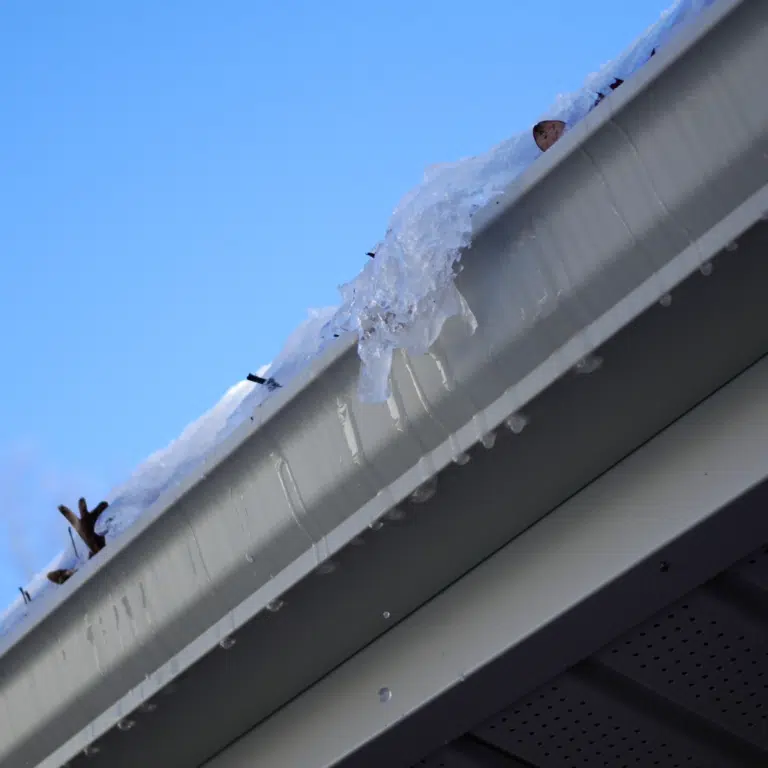
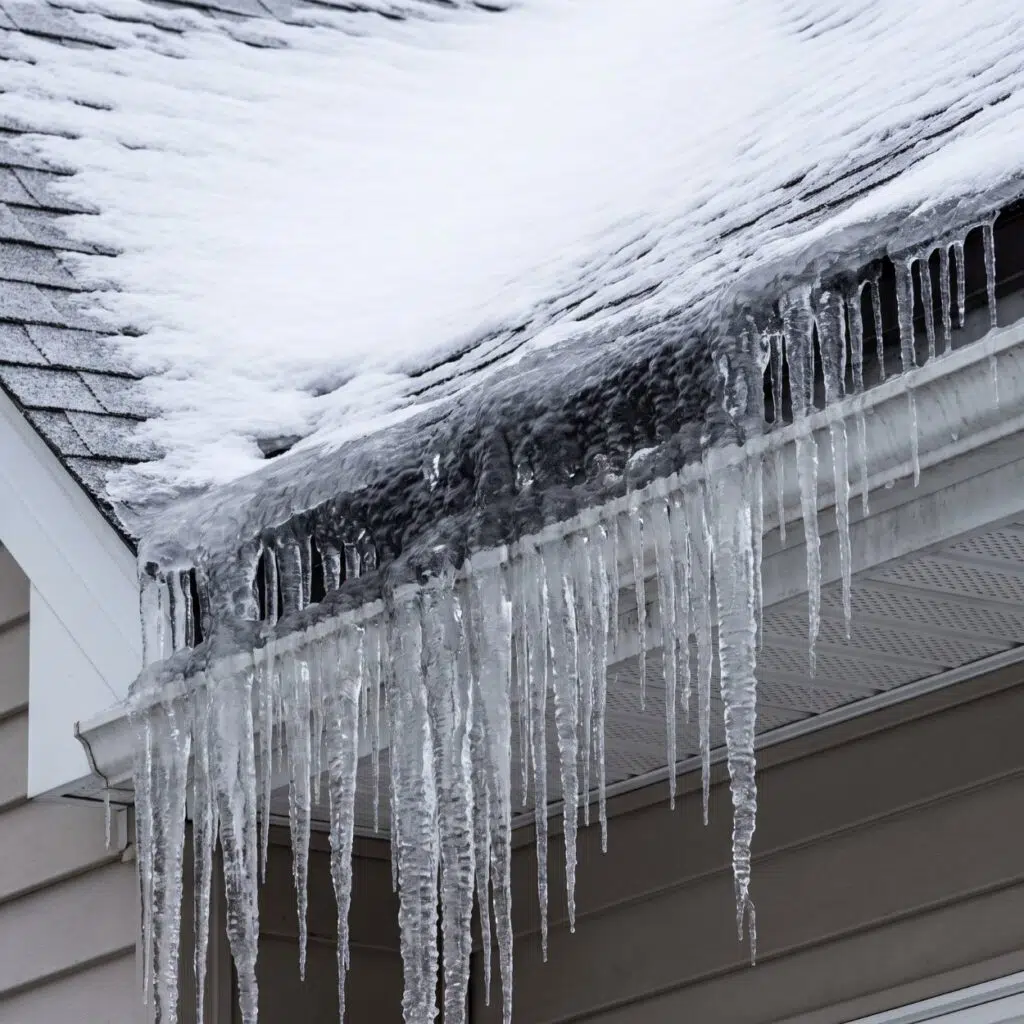
The classic ice dam picture is a row of icicles along a roof edge, which most people find rather picturesque. What that image actually shows is meltwater that could not drain, freezing where the roof gets cold.
Behind that ice, water is backing up. It has nowhere to go but sideways and upward, underneath the shingles, and from there into the roof deck, the attic insulation, and eventually the ceiling below.
Southwest Missouri gets exactly the conditions that produce this. We have real snow and ice events, we have temperatures that hover around freezing rather than staying well below it, and we have plenty of homes with attics that leak heat. Our team sees the results across Springfield, Branson, and Marshfield most winters. Here is how it works and how to get ahead of it.
What Is an Ice Dam and How Does It Form?
An ice dam is a ridge of ice at the edge of a roof that stops melting snow from draining off. It forms because the upper part of the roof is warmer than the lower edge.
The Insurance Institute for Business and Home Safety describes the sequence precisely. An ice dam forms in sub freezing temperatures when heat inside a home’s attic warms the upper portion of the roof deck as warm air rises inside the structure, melting some of the accumulated snow. As that meltwater drains down the slope it reaches a colder region near the eave above the wall, and if the temperature there is below freezing, it refreezes and ice begins to build.
Once the dam exists, water continues draining into it and backs up behind it. IBHS notes that the growing dam can force water under roof coverings such as shingles, and from there it may reach the attic or run down the walls of the house.
| Stage | What happens |
|---|---|
| 1. Attic heat rises | Warm air collects under the roof deck |
| 2. Snow melts on the upper roof | Heat from below melts the underside of the snow |
| 3. Meltwater runs down the slope | Water travels toward the eave |
| 4. Water refreezes at the cold edge | Ice builds where the roof overhangs unheated space |
| 5. Water backs up behind the dam | It is forced under shingles and into the structure |
The takeaway is that every stage traces back to stage one. The weather supplies the snow, but your attic supplies the heat.
Pro Tip: Icicles along a gutter line are not automatically an ice dam, but they are a strong hint that meltwater is refreezing at the eaves. Treat them as a signal to check the attic.
Why Attic Heat Loss Is the Root Cause
This is the part that surprises people. Ice dams are not caused by cold weather or by heavy snow. They are caused by a roof surface that is warm where it should be cold.
Heat gets into an attic three ways: it conducts through inadequate insulation, it leaks through unsealed openings in the ceiling below, and it stays trapped when ventilation is poor. Each of those is fixable.
IBHS lists the mitigation directly: proper attic ventilation, increased attic insulation, and sealed ceiling openings so that warm air in the house cannot rise into the attic.
ENERGY STAR explains the ventilation half of that. Allowing a natural flow of outdoor air to ventilate the attic in winter helps keep it cold, which reduces the potential for ice damming, and proper insulation and air sealing keep attics cold by blocking heat and moist air from below.
| Heat path | What it looks like | The fix |
|---|---|---|
| Conduction through insulation | Thin, compressed, or uneven coverage | Add insulation to a consistent depth |
| Air leakage from below | Gaps at fixtures, hatches, and pipe runs | Seal openings in the ceiling plane |
| Trapped warm air | Blocked or missing vents | Restore balanced soffit and ridge airflow |
The takeaway is that all three usually need attention together. Insulation without air sealing underperforms, and both underperform if the attic cannot vent.
Important: ENERGY STAR is explicit that the most common mistake homeowners make when adding insulation is blocking airflow at the eaves. Soffit vents must never be covered with insulation, and rafter vents keep that channel open.
Prevention Steps You Can Take This Fall
Fall is the right time for all of this, because every one of these steps is easier before there is snow on the roof.
- Inspect the attic on a cold morning and note whether it feels warm.
- Check that soffit vents are clear rather than buried under insulation.
- Look for gaps around light fixtures, the attic hatch, and pipe penetrations.
- Seal those openings before adding any insulation, since sealing first is what makes insulation perform.
- Confirm insulation coverage is even, with no thin or bare patches.
- Clear gutters and downspouts so meltwater has a drainage path.
- Book a professional inspection if you find damp spots, frost, or staining.
Step four matters more than its position suggests. The EPA and ENERGY STAR guidance is direct: because insulation works best when air is not moving through or around it, sealing air leaks before installing insulation is important to get the best performance.
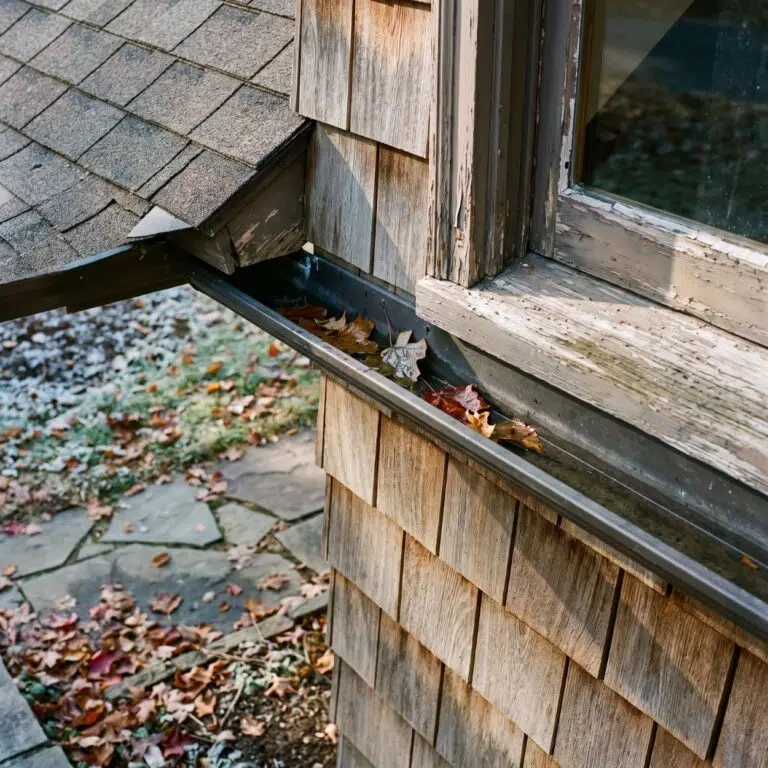
Gutters play a supporting role rather than a starring one. Clear gutters do not prevent an ice dam caused by attic heat, but a blocked gutter gives meltwater somewhere to pool and freeze. Our guide to gutter and downspout care in Springfield covers that side, and our roof maintenance checklist puts it in a seasonal order.
Pro Tip: Do the attic check before you do anything else. Spending money on gutter guards or roof treatments while the attic still leaks heat addresses the symptom and leaves the cause in place.
Ice Barrier Requirements and What They Mean for Your Home
There is a building code layer to this worth understanding, though it applies mainly at replacement time rather than as a retrofit.
The International Residential Code requires ice barriers, sometimes called ice dam protection, in areas where ice can accumulate along the eaves and cause water to back up. IBHS describes the ice barrier as part of, or an extension of, roof underlayment enhanced by two layers of underlayment or one layer of waterproof membrane, installed starting at the lowest point of the roof.
What matters practically is this: an ice barrier does not prevent ice dams. It limits the damage when one forms, by blocking water that gets past the shingles from reaching the deck.
Which code edition applies, and exactly what it requires, varies by jurisdiction and changes over time. Confirm current requirements with the City of Springfield or your county building department rather than relying on general guidance. We are roofers, not code officials. What we can tell you is operational: Teague Roofing Plus handles the permits on every job.
| Protection layer | What it does | When it gets installed |
|---|---|---|
| Attic air sealing | Stops heat reaching the roof deck | Anytime, best in fall |
| Attic insulation | Slows heat transfer upward | Anytime |
| Balanced ventilation | Keeps the deck cold | Anytime |
| Ice barrier membrane | Blocks water that gets past shingles | At roof replacement |
The takeaway is that the first three prevent ice dams and the fourth limits what one can do to you. If your roof is approaching replacement anyway, that is the moment to get the membrane right.
What to Do If You Already Have Ice Dam Damage
If you are reading this because you had a problem last winter, the signs of past damage are worth identifying now while repairs are easy.
| Sign | Where to look |
|---|---|
| Water staining on ceilings near exterior walls | Upstairs rooms, along the outside edges |
| Damp or compressed insulation at the eaves | Attic, at the outer edges of the floor |
| Peeling paint or stained trim near the roofline | Outside, along the fascia and soffit |
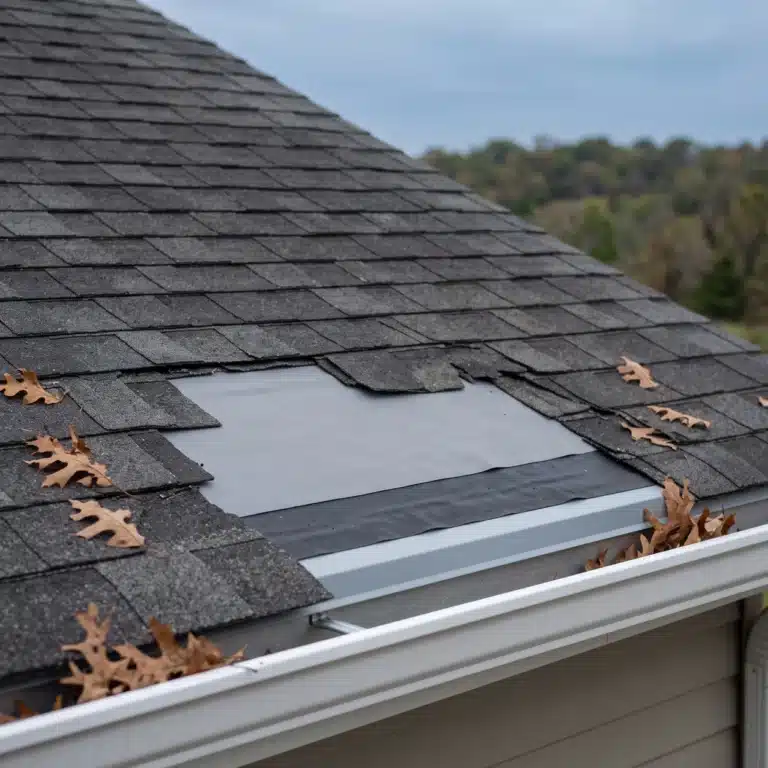
| Loose or lifted shingles at the roof edge | Visible from the ground at the eaves |
The takeaway is that ice dam damage concentrates at the eaves and shows up indoors near exterior walls. Finding it now means repairs happen in mild weather rather than mid winter.
Illustrative scenario: A homeowner in Marshfield noticed a faint ceiling stain in an upstairs bedroom after a February ice event. A fall inspection found insulation packed into the soffit area, blocking intake airflow entirely. Clearing the soffits, adding rafter vents, and sealing two ceiling penetrations addressed the cause before the next winter.
Important: Chipping or hammering at ice on a roof edge damages shingles and is dangerous. If you have an active ice dam, the safe options are ground level snow removal with a roof rake and professional help, not tools on the roof.
Frequently Asked Questions
What causes ice dams on a roof?
Heat escaping into the attic warms the upper roof deck, which melts snow from underneath. That meltwater runs down the slope, reaches the colder eave that overhangs unheated space, and refreezes there. The resulting ice ridge blocks drainage and forces water back under the shingles.
Are ice dams really a problem in Southwest Missouri?
Yes. Our winters bring snow and ice events along with temperatures that swing around freezing rather than staying well below it, which is exactly the pattern that produces ice dams. Homes with poorly ventilated or under insulated attics are at risk here just as they are further north.
How do I prevent ice dams before winter?
Keep the attic cold. That means sealing openings in the ceiling below, adding insulation to an even depth, and making sure soffit and ridge vents can move air freely. Clearing gutters helps meltwater drain but does not address the underlying heat problem.
Do gutter guards prevent ice dams?
No. Ice dams form on the roof surface because of attic heat, not because of what is in the gutter. Guards can reduce debris and help drainage, but they do not stop the melt and refreeze cycle. Some designs can complicate matters once ice forms.
Will adding insulation alone fix the problem?
Usually not on its own. Insulation slows heat transfer but air leaking through gaps around fixtures and hatches bypasses it entirely, and trapped warm air still needs somewhere to go. Sealing air leaks first and maintaining ventilation is what makes added insulation actually work.
What is an ice barrier and does my roof have one?
It is a waterproof membrane or doubled underlayment installed at the lowest part of the roof, under the shingles, to block water that gets past the surface. Homes built or reroofed under codes requiring it generally have one, but older roofs often do not. An inspection can tell you.
Can I remove an ice dam myself?
Removing snow from the roof with a roof rake from the ground is reasonable and reduces the supply of meltwater. Getting on the roof or chipping at ice is not. IBHS also notes that professionally installed heating cables on eaves, gutters, and downspouts can create channels that let water drain safely, though they will not remove an existing dam.
How do I know if ice dams damaged my roof last winter?
Look for ceiling stains in upstairs rooms near exterior walls, damp or compressed insulation at the attic edges, and peeling paint or staining along the fascia and soffit outside. Lifted shingles at the roof edge are another sign. A fall inspection confirms whether the damage reached the deck.
Key Takeaways
- Ice dams are an attic problem, not a weather problem: Heat escaping upward melts snow that refreezes at the cold eaves.
- The weather supplies the snow; your attic supplies the heat.
- That is why prevention is largely within your control.
- Three fixes work together: Sealed ceiling openings, adequate insulation, and balanced ventilation.
- Insulation without air sealing underperforms.
- Never cover soffit vents with insulation.
- Gutters help but do not prevent: Clear gutters give meltwater a drainage path.
- A blocked gutter gives water somewhere to pool and freeze.
- Cleaning gutters will not fix an attic heat problem.
- Ice barriers limit damage rather than prevent dams: The membrane blocks water that gets past the shingles.
- Requirements vary by jurisdiction, so confirm locally.
- Roof replacement is the moment to get this right.
Get Your Attic and Roof Checked Before Snow Flies
If you have had icicles along the eaves, a ceiling stain you never traced, or an upstairs that never feels right in winter, those all point the same direction. A free inspection covers the attic as well as the roof, which is where the answer usually is.
Teague Roofing Plus has worked on Southwest Missouri roofs since 1971, and our inspections include the attic because that is where ice dams actually begin. We are an Owens Corning Platinum Preferred Contractor, BBB A+ rated since December 2019, and a Nextdoor Neighborhood Favorite in 2022 and 2024. An inspection covers:
- Attic ventilation, insulation coverage, and air sealing gaps
- Soffit and ridge airflow, including blocked intake vents
- Signs of past ice dam damage at the eaves and deck
- Gutters, downspouts, and drainage at the roof edge
- Permits handled by our team on any work that follows
Call Teague Roofing Plus at 417-883-7663, read our guide to attic ventilation and roof energy efficiency, or book a free roof inspection before the first snow. You can also review our Springfield storm season roof prep guide for the wider seasonal picture.
Teague Roofing Plus, Roofing, Siding, Windows, Gutters, and More. Serving Southwest Missouri Since 1971.